Why Your Industrial UV Lamps Actually Fail (And How to Fix It)
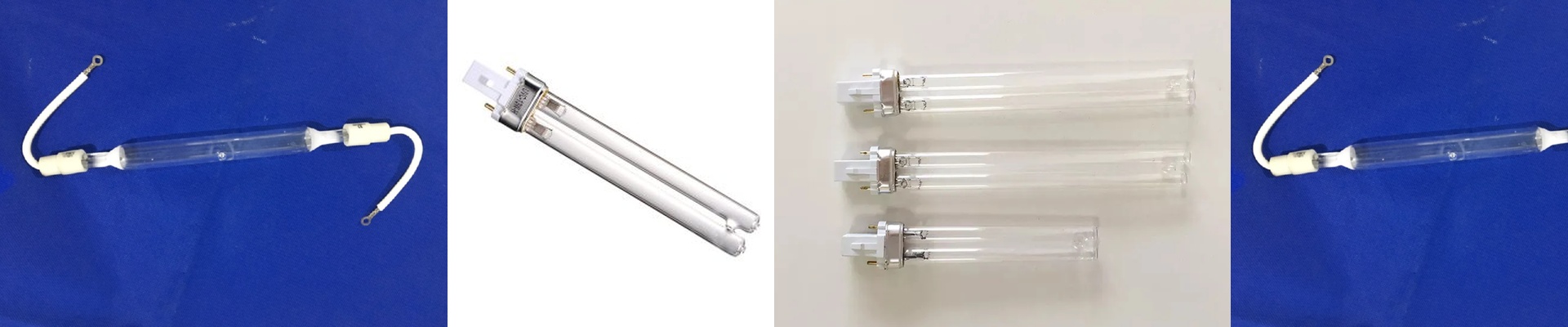
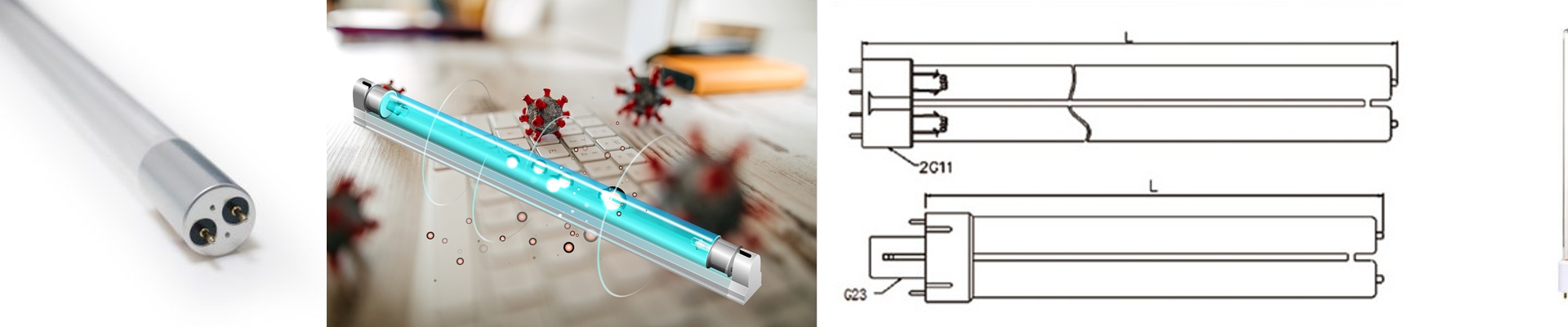
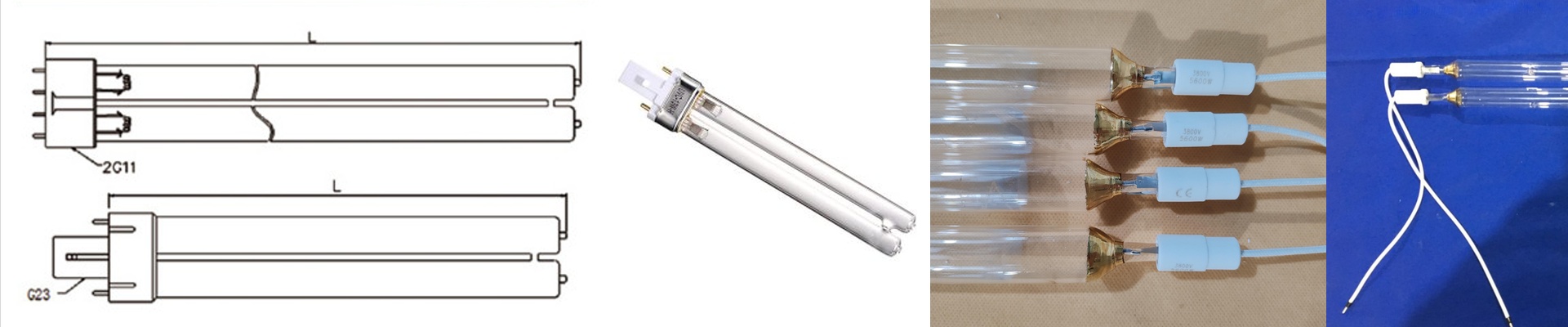
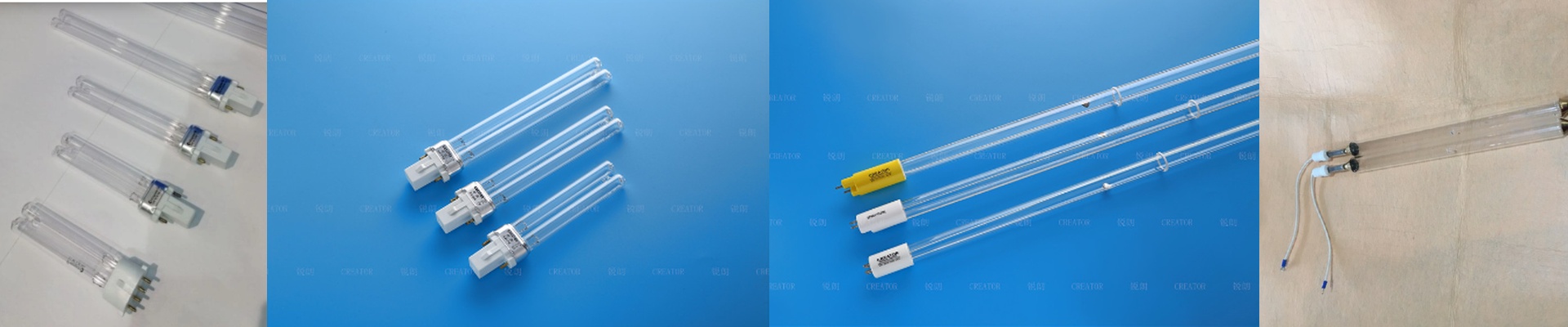
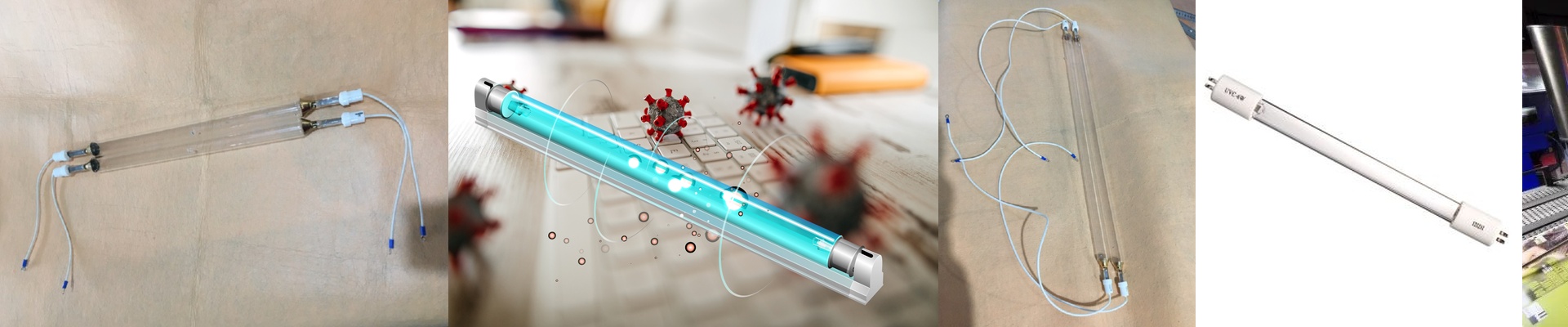
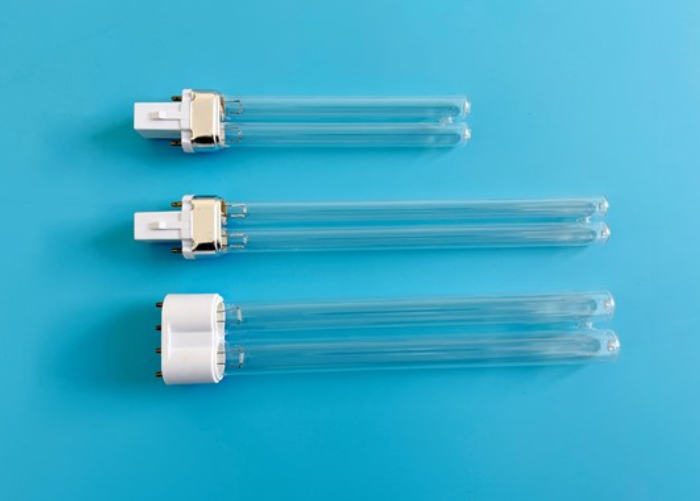
We spent some time visiting 3,000 different printing plants. We wanted to see where things actually go wrong. What we found was surprising. Most of the time, the bulb itself isn’t the problem. The real issue is a mismatch between how the lamp is putting out energy and how fast your production line is moving. If you don’t get that balance right, you end up either with ink that hasn’t cured or paper that’s literally scorching. The deal with quartz We use high-purity fused quartz for our tubes for a simple reason: standard glass is a wall. It blocks UV wavelengths. Fused quartz, on the other hand, lets that shortwave radiation fly right through. This means more energy hits your ink and less gets trapped in the glass. When you’re running high wattages, purity is everything. If the quartz is cheap, the tube walls overheat, the glass stresses, and eventually, it just gives up. Power vs. Heat Here’s the thing about “under-curing.” To stop it, you have to match your voltage and wattage to your conveyor speed. A high-wattage tube pumps out more photons, which makes the ink polymerize faster. You get that rock-hard finish in a much shorter distance. It’s great for speed. But there’s a catch. Packing that much power into a small space creates a ton of heat. If your cooling blowers aren’t up to the task, you’re going to warp your reflectors or burn the edges of your sheets. That’s why we design our tubes to spread the load evenly across the arc. No hot spots, no surprises. Keeping things simple We’re big believers in drop-in replacements. We use standard end-caps and connectors because nobody wants to spend an hour rewiring a ballast just to change a burnt-out tube. It should take minutes, not an afternoon. One last tip: keep your tubes clean. When ink mist builds up on the quartz, it absorbs the UV energy and turns it into heat. That’s the fastest way to crack a tube. Just give them a quick wipe with some IPA regularly. It keeps your output steady and your equipment alive.