Hybrid UV and Infrared Curing: Getting Powder Coatings Right on Automotive Plastics
We built our UV lamp systems for the real world of automotive parts finishing. The goal is simple: cure powder coatings on plastic fast and even, without warping the part. So we paired UV curing lamps with infrared heating. It’s a hybrid approach that respects how sensitive plastic is to heat.
Power, Voltage, and Size: What Matters on the Line
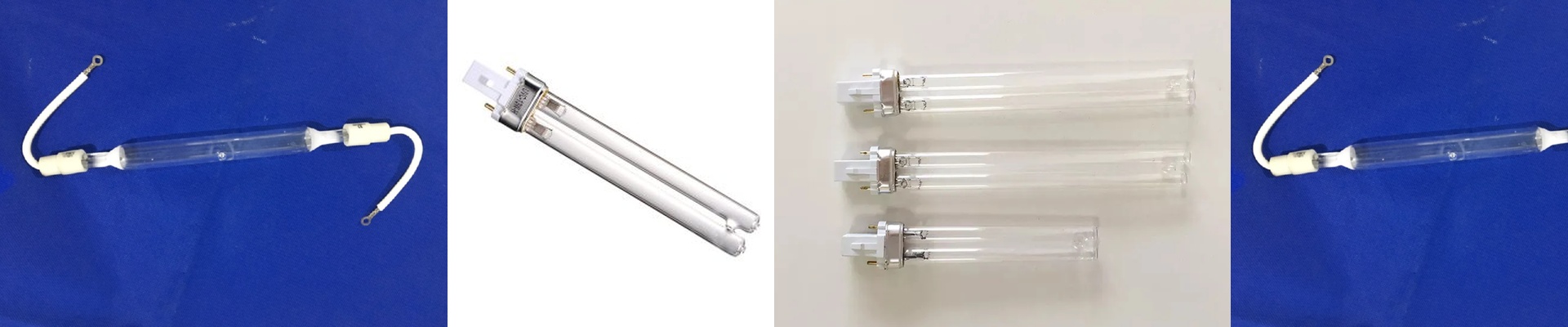
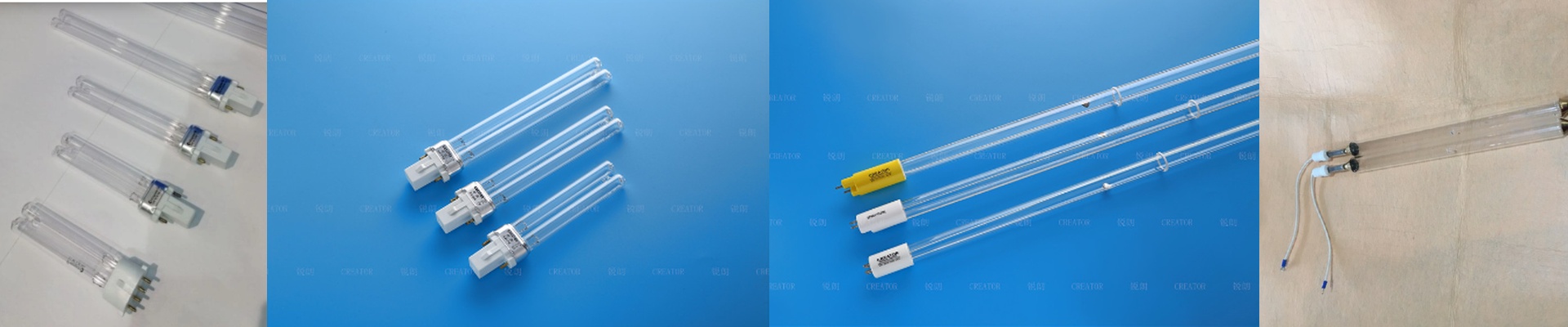
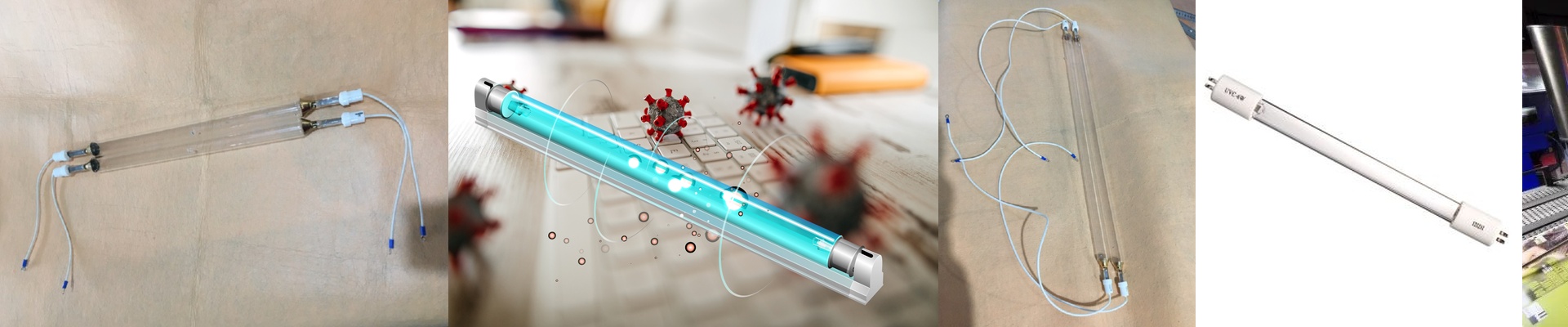
At the heart is the UV lamp tube—high-intensity output in a small footprint. For industrial lines, we use a 400V high-voltage setup. It gives you reliable ignition and a steady arc, even when the power supply is far down the line. Wattage is tuned to hit the energy density powder coating needs—usually 2500W to 3000W per tube. That’s how you get a surface cure in seconds. And the length? Around 300mm. It’s a deliberate choice: enough emitting area to cover the part, but compact enough to keep the machine footprint tight. That means it drops straight in as a replacement, so you don’t have to overhaul your line.
The Tube: Built to Handle Heat, Light, and Hard Days
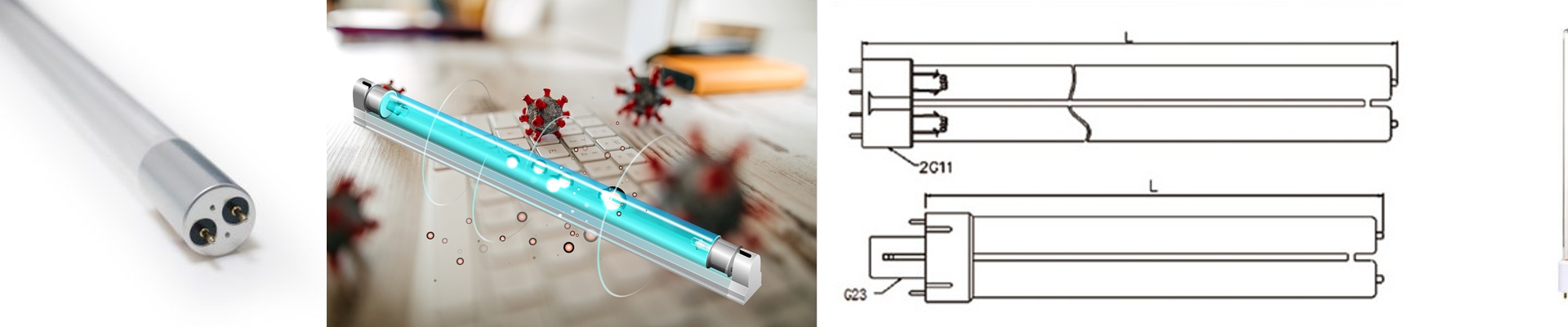
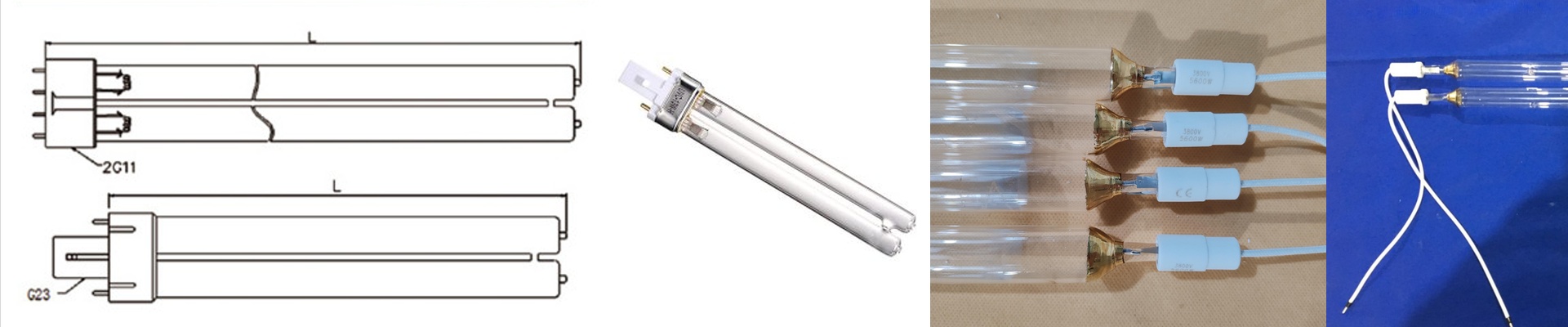
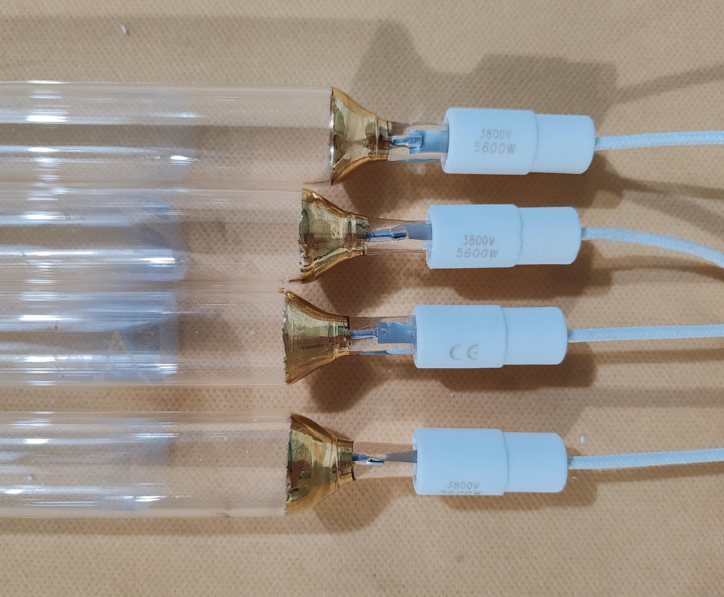
We start with a quartz substrate because it stays stable under heat and stays clear under UV. Then we add a special coating that filters out the infrared you don’t want. The payoff? The substrate stays cooler, so the plastic isn’t punished while the UV does the curing. Inside, a halogen element keeps the filament running hot, so the lamp starts fast and holds a steady spectrum. The connector is the unsung hero: the R7s. It carries high current and handles high temperature, giving you a solid two-ended connection that’s easy to wire and easy to swap when it’s time for maintenance.
On the Shop Floor: Where the Hybrid Approach Shines
If you’re finishing automotive plastic parts, you know the trap. Infrared alone can warp complex pieces. UV alone can choke on thick powder layers. Here’s how the hybrid solution gets you out of that bind: infrared pre-heats the part, bringing the powder up to flow-out temperature. Then UV hits it and cures the surface instantly. That two-step rhythm eases the pressure on your line speed and trims energy use. These lamps are built for the grind of production, but there’s one thing to plan for: the power density means they need serious cooling. Match your cooling capacity to the lamp output so the cabinet stays steady. Do that, and you keep performance consistent and avoid early burnout.