Hybrid Infrared and UV Curing for Auto Parts: Optimizing Powder Coating with High-Density Lamps
We built this UV curing lamp for the real world of automotive finishing—the kind of work where you can’t afford to wait around. The idea is straightforward: get a tough, flawless powder coating cure on tricky parts, without being stuck with the slow crawl of a convection oven. So we paired infrared heat with a high-intensity UV lamp. The combo gives you a hybrid cure that speeds up the whole process and leaves you with a smoother, more consistent finish.
The Power Behind the Process
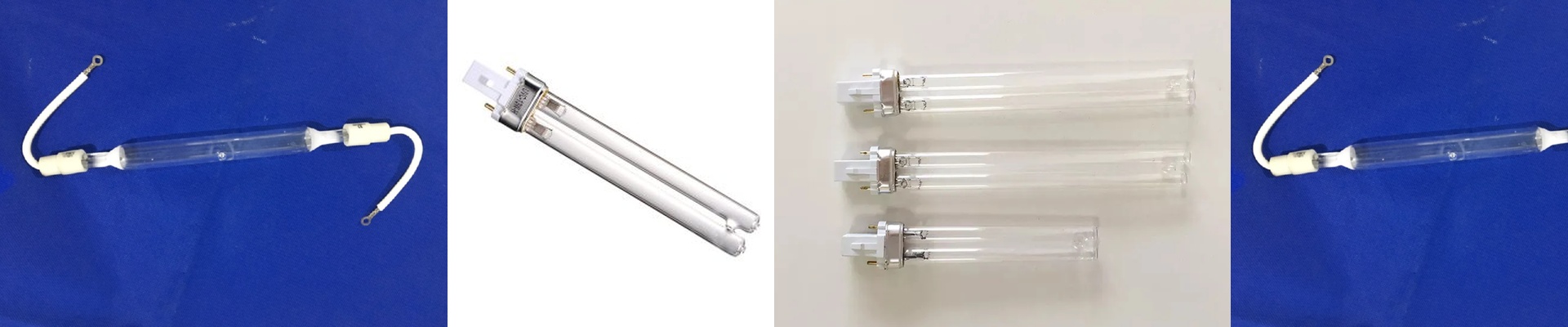
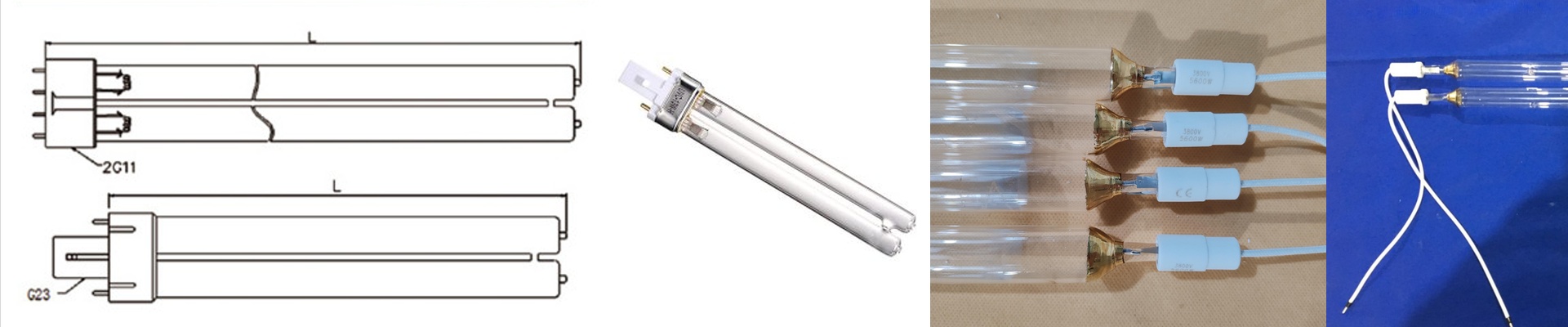
At the heart of it is a 400V high-voltage halogen lamp, packing 2500W into just 300mm. That compact size concentrates serious heat where you need it, so you can cure coatings in seconds instead of minutes. That 400V spec isn’t random. It’s what the lamp needs to deliver the wattage required for fast thermal transfer while keeping the arc stable inside the quartz envelope. The lamp hits target temperatures quickly, but that also means your plant has to be set up for it. You can’t just plug this into a standard 220V outlet. It needs a dedicated 400V supply.
Built to Handle the Heat—and the Job
We use a high-purity quartz tube around the halogen filament. Quartz can take the shock of rapid on/off cycles and passes infrared energy efficiently. The tube also has a specialized coating that filters wavelengths, focusing the energy on the powder surface without overheating the part underneath. For hookup, it uses an R7s connector—the industry standard for linear halogen lamps. That makes it an easy drop-in replacement for existing fixtures, and it holds firm with solid electrical contact, even on high-vibration production lines.
What It Feels Like on the Line
In automotive parts work, powder coating has to be controlled. Infrared brings the part up to the right temperature so the powder flows, and the UV lamp locks the finish in place—fast. The hybrid approach shortens your line and cuts energy use compared to big ovens. You get faster throughput and a more consistent cure on parts like brackets, housings, and trim. But here’s the catch: that kind of concentrated heat needs careful management. Your equipment has to have proper cooling—air or liquid—to keep everything from overheating and to protect lamp life. This is a production-line solution, designed for people who know how to balance power, speed, and control.