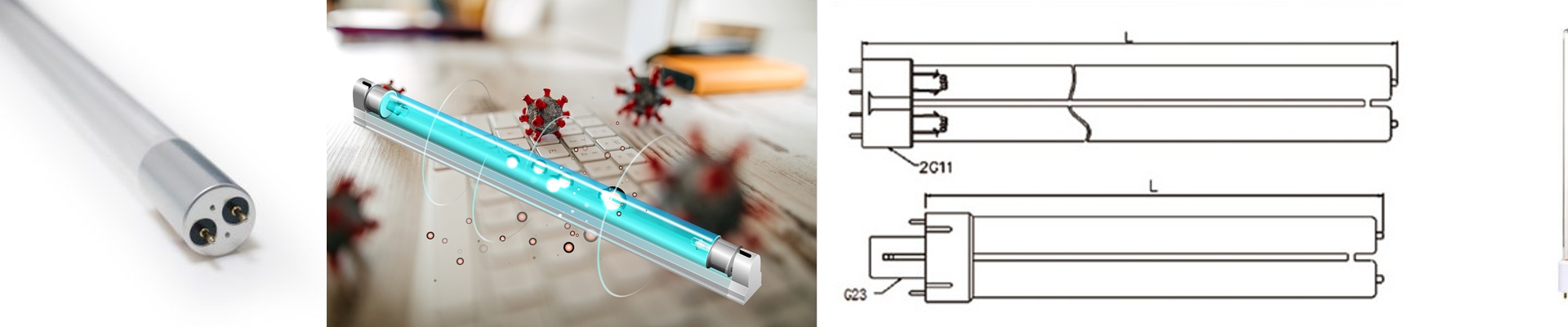
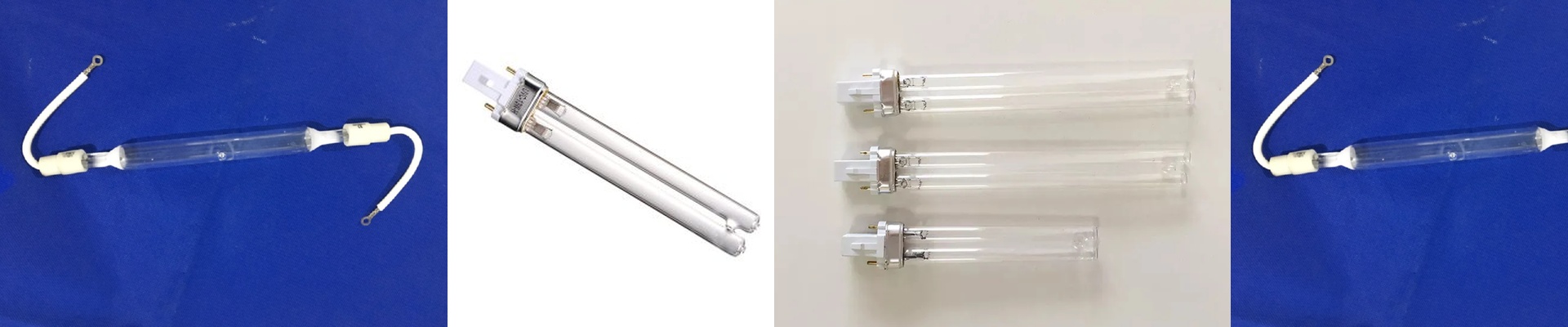
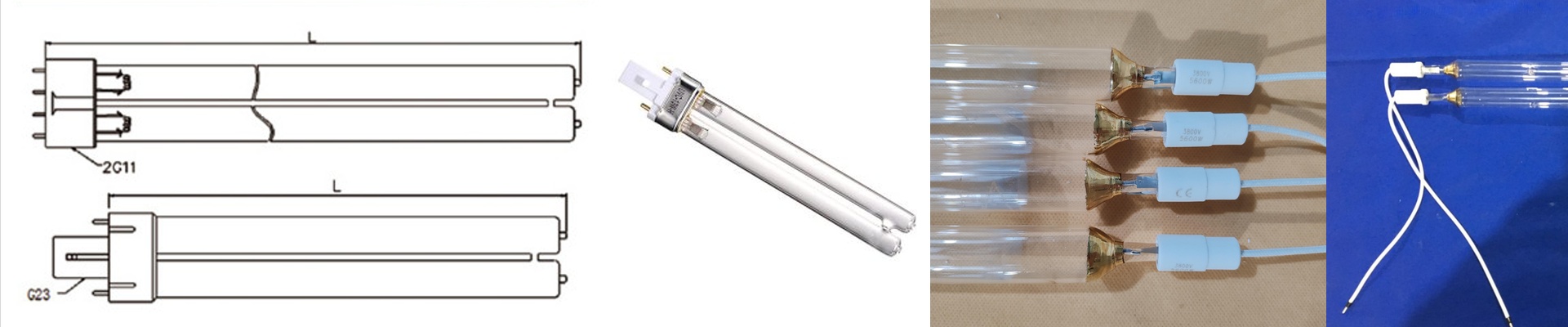
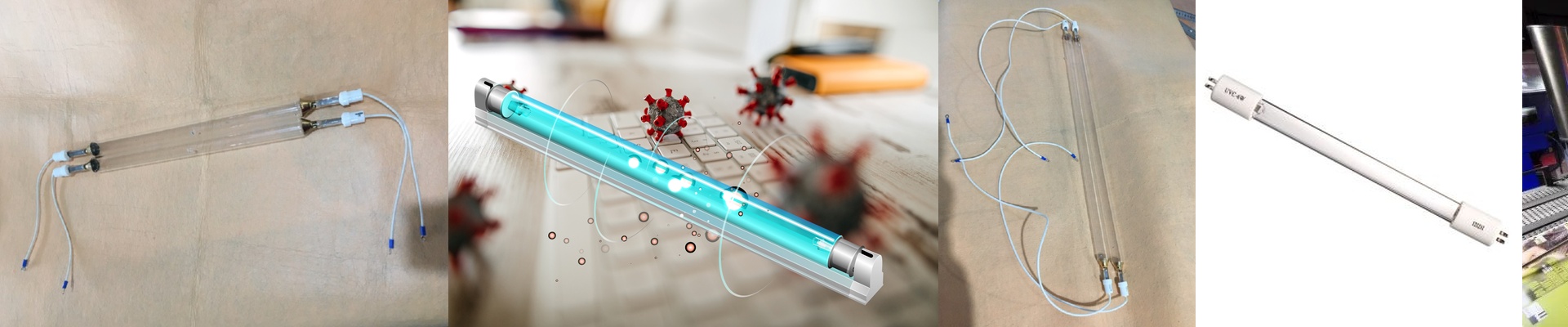
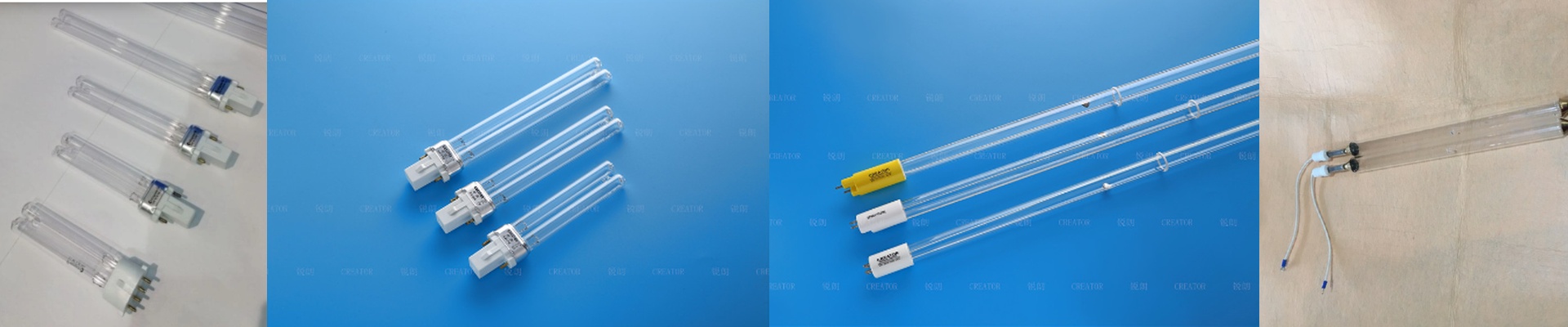
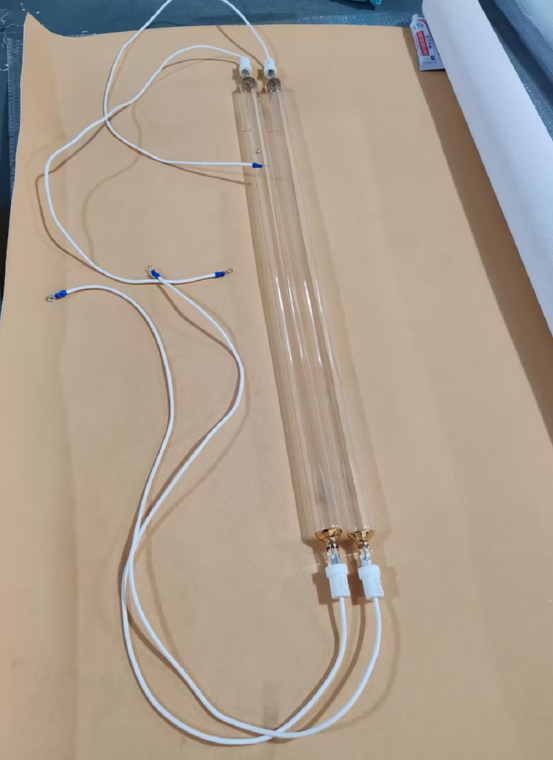
On the press floor, downtime and mis-cured sheets are the fastest way to eat into margins. When the UV system isn’t pulling its weight, you see uneven cross-linking, adhesion problems on plastics, and surprise maintenance that shuts the line down. We built our gallium halide UV curing lamps to deal with exactly that—no theater, just repeatable output. They hold a stable spectral profile and deliver consistent energy density, without the price premium that doesn’t buy you anything real on the shop floor. What actually matters Gallium halide lamps push energy into the 365nm and 385nm bands, which lines up with the photoinitiators in UV offset, flexo, and screen inks. That targeted spectrum gives you better surface cure and improved through-cure depth on pigmented layers, while keeping the heat load lower so thin substrates don’t warp. At the arc, you get high peak irradiance, which translates into fast curing windows at typical press speeds. We hold the build steady—consistent quartz envelopes, dichroic reflectors, and ozone-free operation—so output stays stable across the lamp life. And the numbers hold up in practice: run the lamp within its rated power and cooling parameters, and it will routinely hit 5,000+ hours with less than 5% output drop. Why this matters for your cost and uptime Controlling UV curing cost isn’t just about the lamp sticker price. It’s about uptime, yield, and energy draw. With predictable curing energy, you can push speed without chasing marginal cure, and you cut scrap caused by tackiness or under-cure. Fewer stops, fewer reprints, and lower per-part energy use. Add in a straightforward replacement schedule, and your operating cost stays disciplined—even when the schedule is high-mix, high-volume. Here are the details you can’t skip These lamps drop into standard UV curing stations, but they’re particular about power profile and reflector alignment. Verify the ignition voltage, arc length, and cooling airflow actually match the fixture. Misaligned reflectors or cooling that’s undersized will accelerate output decay and shorten service life. Also make sure the press controller supports the lamp’s warm-up and shutdown sequence. That keeps hot-restrike stress out of the picture and keeps cure repeatable—starting on the first sheet.