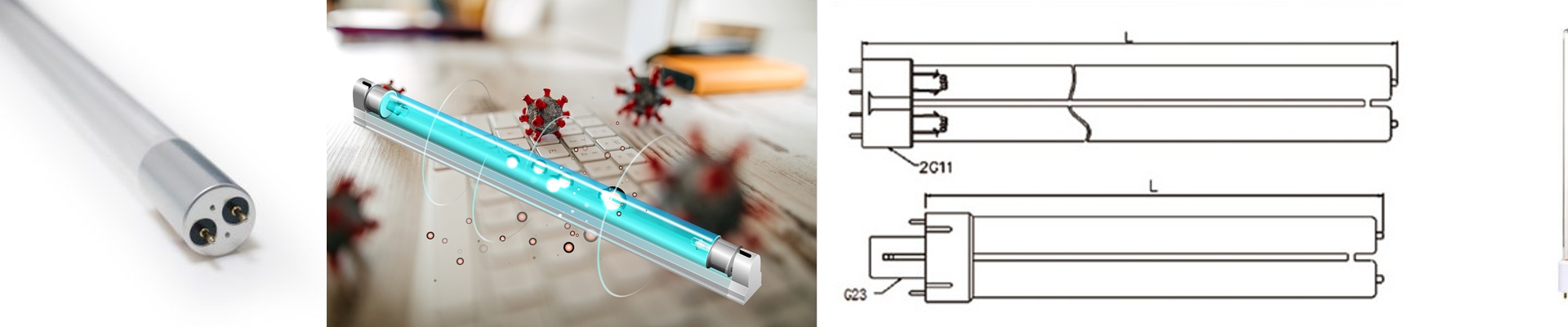
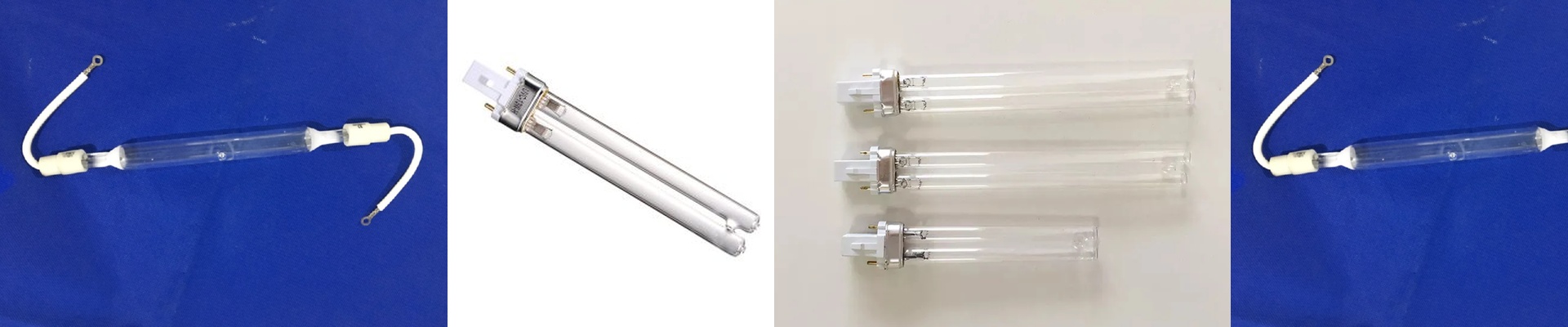
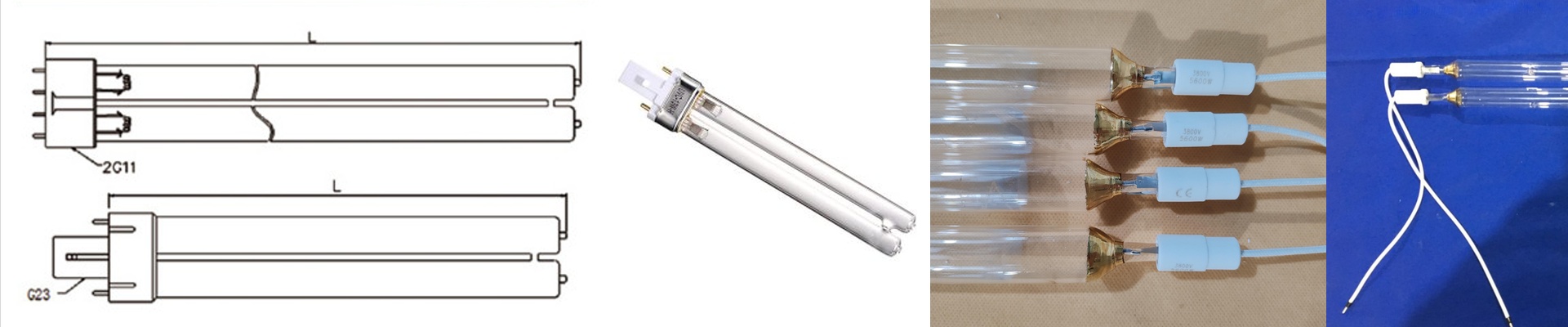
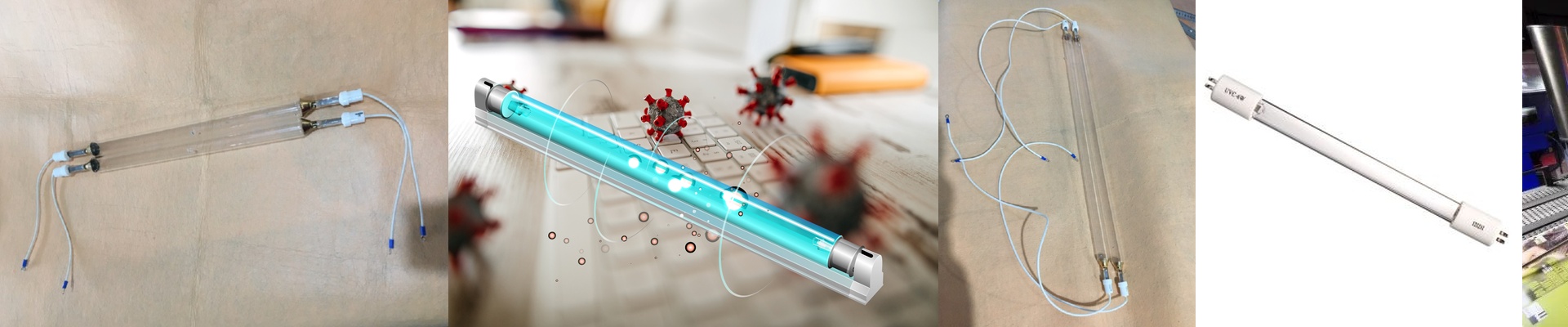
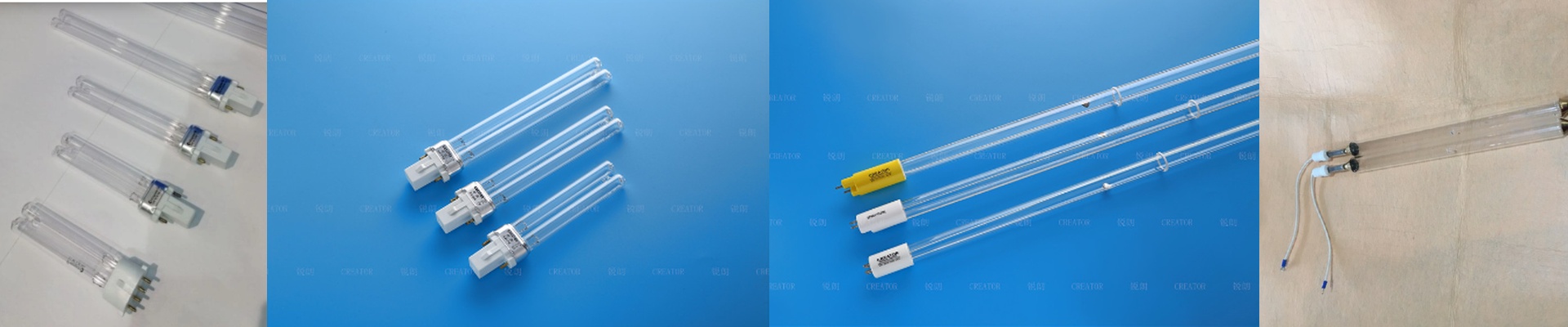
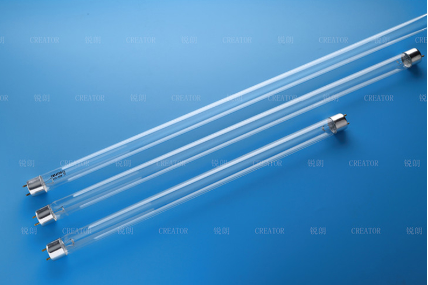
Let’s Talk About UV Lamps That Actually Last
For too long, UV lamps have been treated like disposable batteries. You buy them, they burn out, you toss them. It’s wasteful, and frankly, it’s a headache. We’re changing that. We’ve shifted our focus toward building lamps that aren’t just “compliant” with environmental rules, but are actually built to stay in your machine longer.
The stuff they’re made of
Most UV lamps are a nightmare to throw away because of the materials inside. We’ve moved toward high-purity synthetic quartz and mercury-free options. If we can’t go mercury-free, we use closed-loop designs so nothing toxic leaks out into the world. But there’s a practical side to this, too. You know how some quartz clouds over time? That’s called solarization. It kills your UV output. We use materials that fight that clouding process. The result? Your light stays strong. You aren’t constantly swapping bulbs just because the glass got “foggy.”
Making them survive the heat
The real killer of a UV lamp is thermal stress at the electrodes. It’s where the most heat builds up, and it’s usually where the lamp fails. We fixed this by tweaking the electrode alloy and the gas pressure inside the tube. It’s the difference between a lamp that dies at 2,000 hours and one that cruises past 10,000. Think about that. That’s a massive amount of waste you’re not sending to a landfill, and way fewer hours spent shutting down your line for maintenance. One quick warning, though: power density is a balancing act. High-wattage lamps push a ton of photons, but they run hot. If your cooling system can’t keep up, the best materials in the world won’t save the lamp from burning out.
Fitting them into your workflow
We aren’t asking you to rebuild your entire factory. These are designed as drop-in replacements. They fit your current footprint and plug into your existing electrical setup. Simple. It really comes down to a basic trade-off. You spend a little more on higher-grade materials upfront, and in return, you stop worrying about procurement cycles and waste management. It’s just a smarter way to run a line.