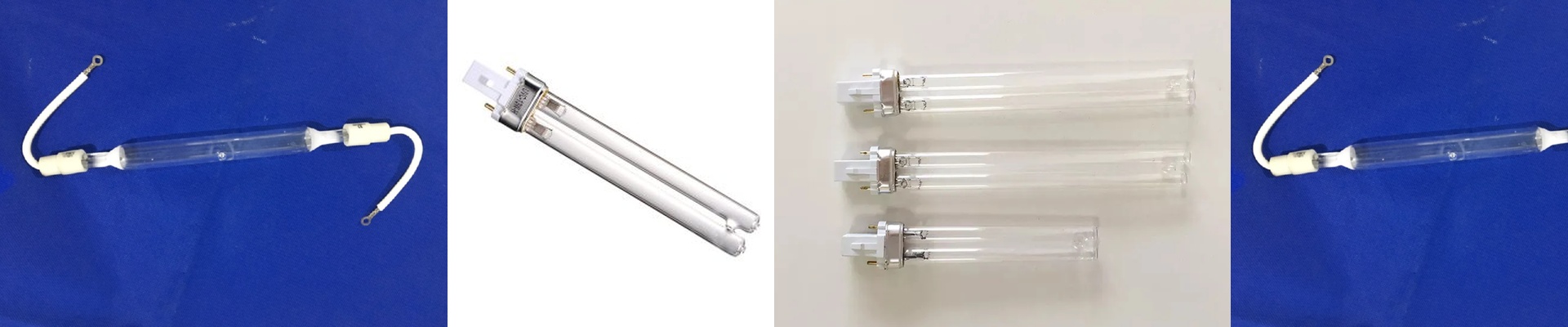
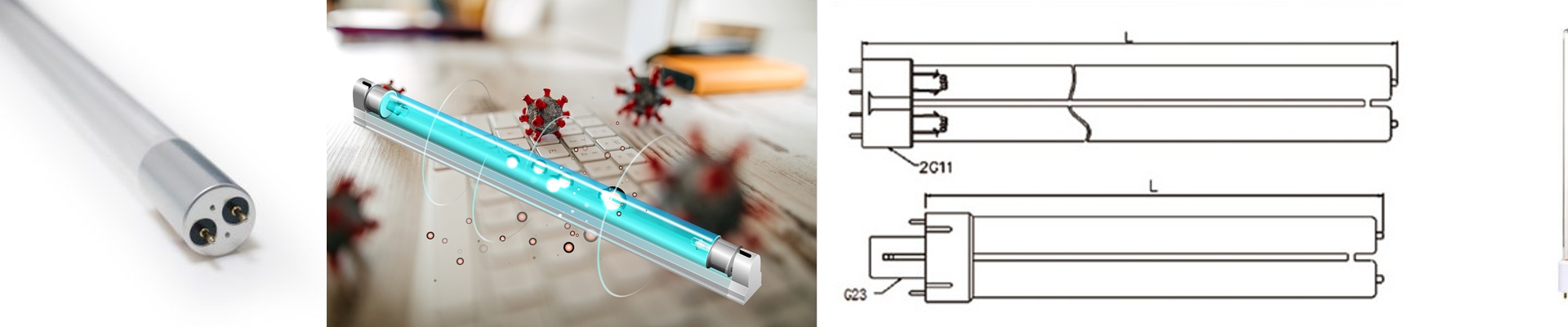
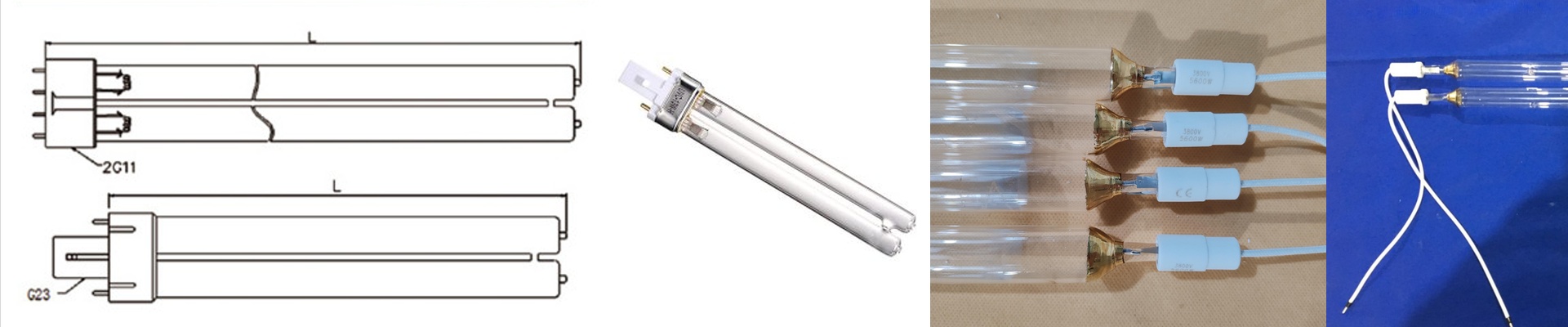
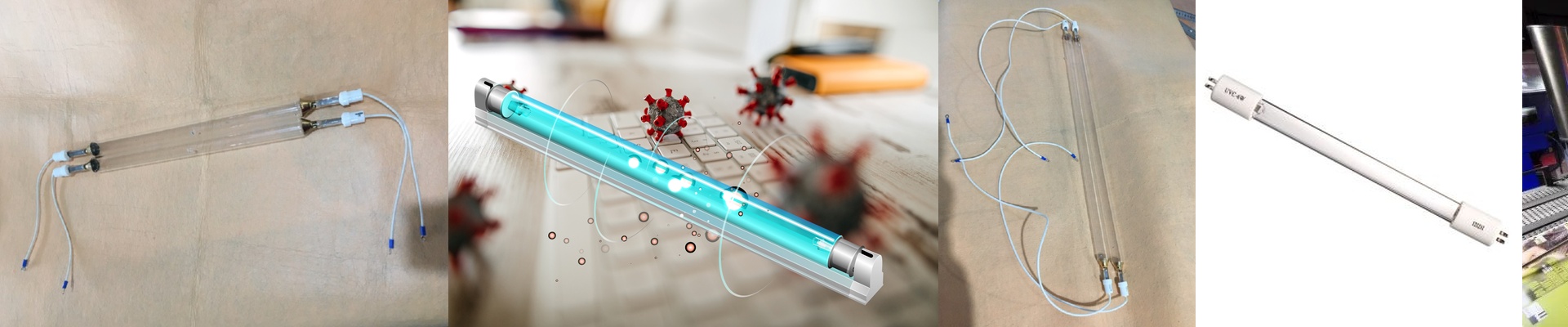
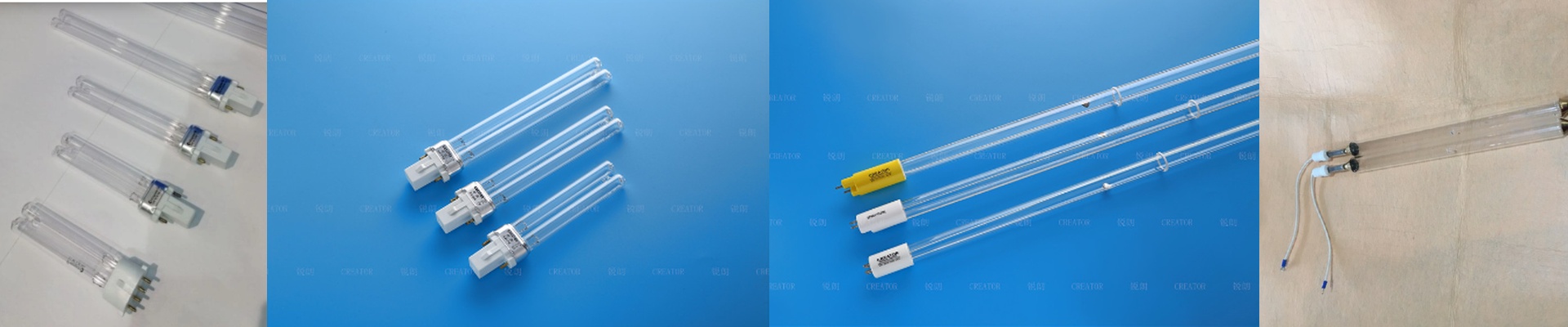
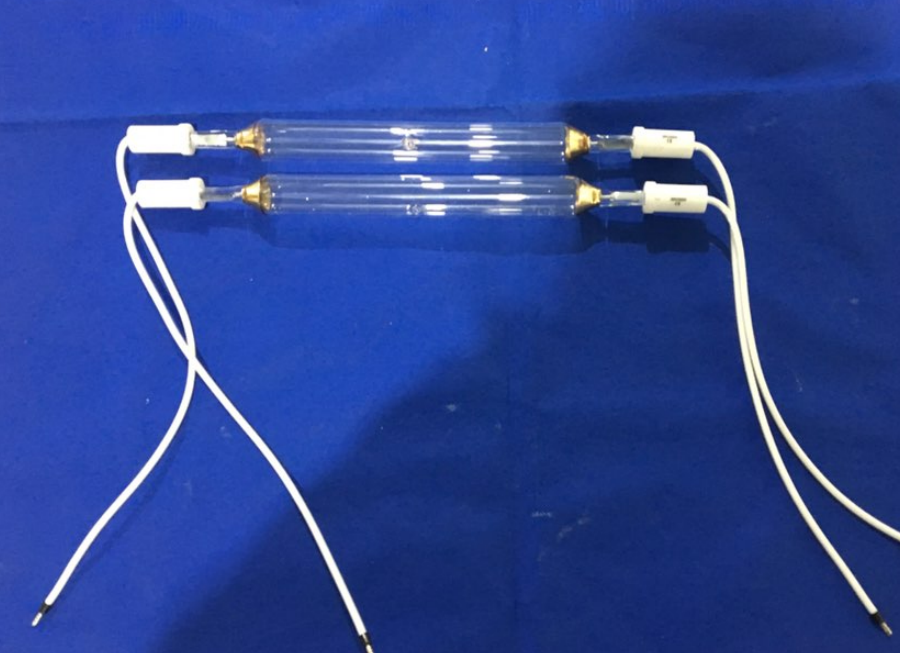
On a medical device line, throughput doesn’t bend, and sterilization validation is set in stone. If your UV-C lamp can’t keep up, cycle times drift and bioburden risk climbs. We built this UV lamp for medical sterilization to deliver a repeatable dose—shift after shift. What actually matters under the hood This is a low-pressure mercury vapor lamp, engineered for 254nm germicidal output—the wavelength that goes straight at microbial DNA and RNA. Peak irradiance is measured at the target plane, not out at the arc. Our reflector geometry and high-reflectivity dichroic coating shape the beam, cut down stray light, and push more usable dose to where it counts. Start-up is instant, with full output in seconds, and the lamp holds steady over thousands of operating hours. You get consistent output across the rated life, not a sudden drop-off at the end. We call out dose delivery in mJ/cm² so you can tie lamp output directly to your microbiology requirements. Why it holds up in medical sterilization Sterilization chambers need uniform exposure and predictable lethality, period. This lamp delivers stable 254nm flux to hit validated log reductions on instruments, packaging, and surfaces. The payoff: faster cycles without compromising SAL, lower energy draw in both idle and run, and fewer lamp swaps that stop production. You get repeatable performance that supports ISO and GMP documentation, and the footprint fits the chamber layouts most of us are already running. The details that keep it honest UV-C systems live and die on thermal management. Reflector temperature and chamber ventilation directly impact output stability and lamp life. Before installation, double-check electrical compatibility—voltage, current, and connector type. Output specs assume a clean quartz sleeve. Any filming cuts delivered dose and shortens effective life, so set a cleaning schedule and track intensity with a calibrated radiometer. If you need ozone-free operation, use the specified lamp variant and make sure the chamber seals properly.