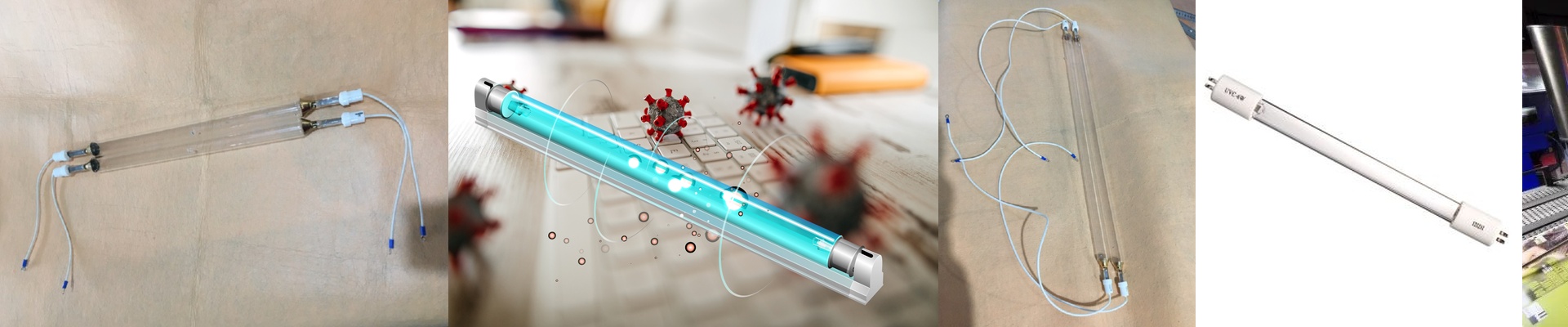
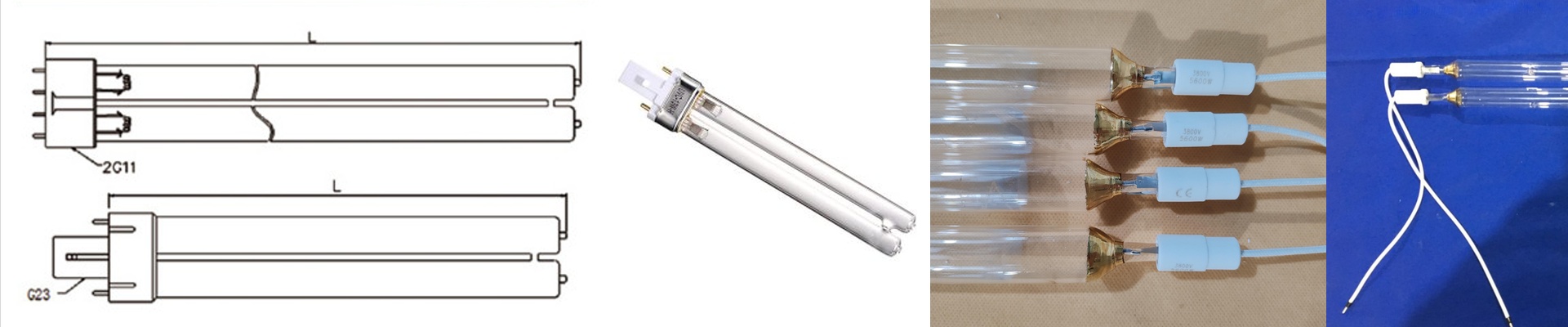
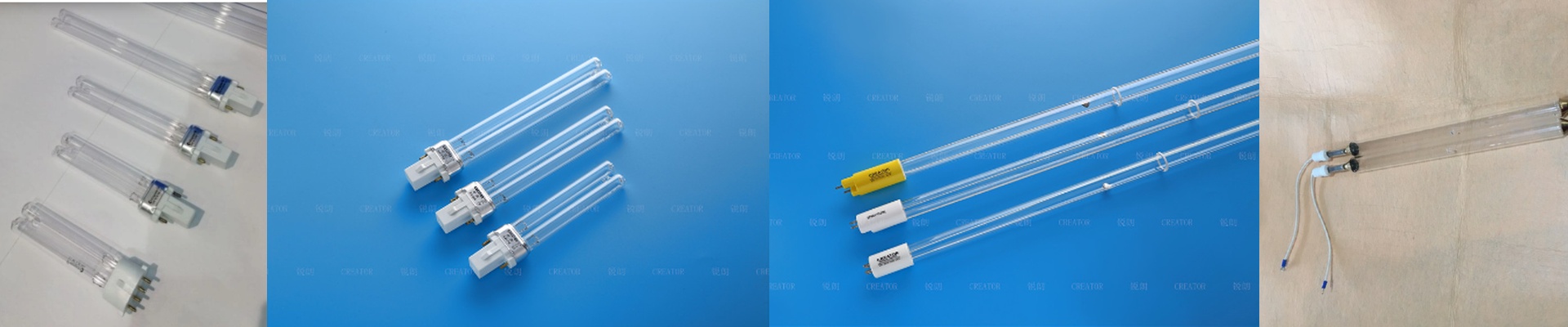
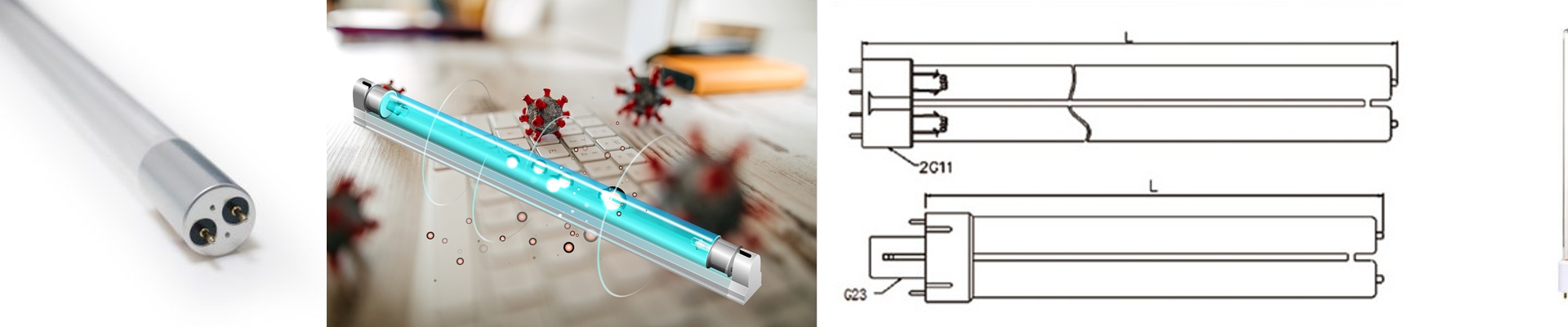
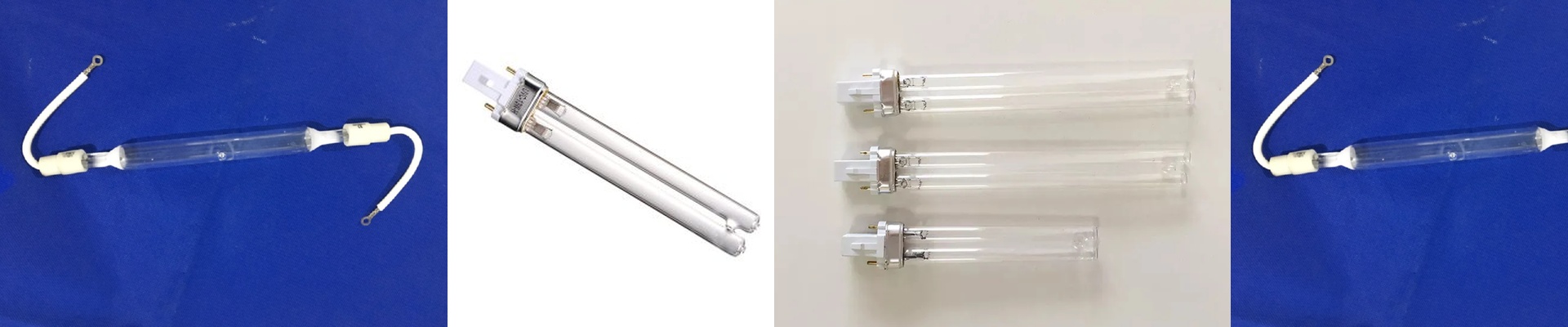
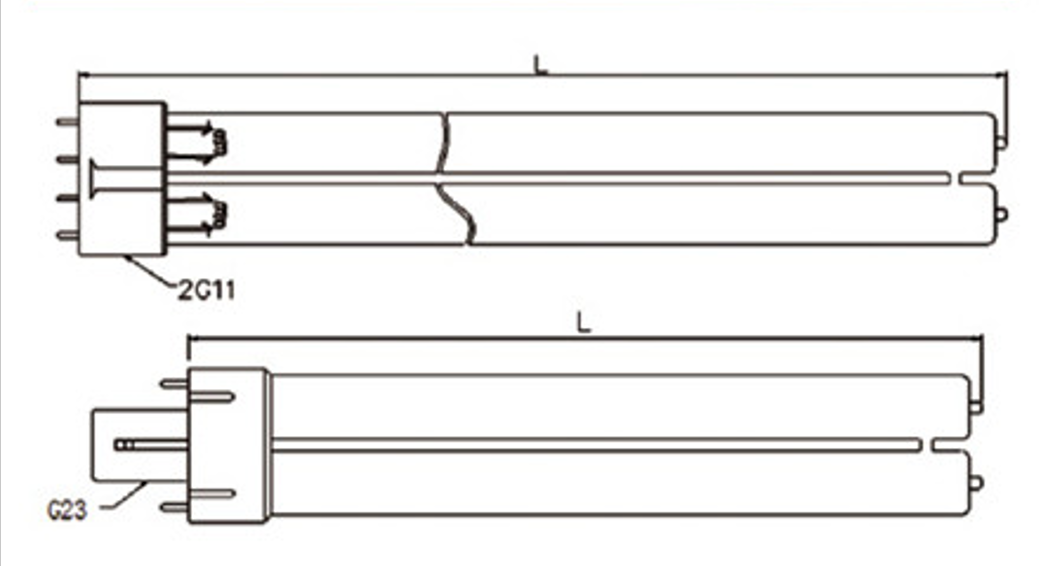
Downtime on an UV offset, flexo, or screen line isn’t just a scheduling headache—it’s yield and margin bleeding out on the floor. When a UV lamp dies, every minute spent pulling reflectors and wrestling connectors is production you’re not running. We built the Philips UV germicidal lamp around a quick-change joint so module replacement takes minutes, not hours. What matters under the hood This is a high-pressure mercury vapor lamp, engineered for industrial UV curing. It delivers stable spectral output centered at 365 nm, right where photoinitiator absorption in UV inks and coatings needs it. The quartz arc tube runs at the proper wall temperature to keep irradiance consistent, and the dichroic-coated reflector holds spectral selectivity so the energy lands where the chemistry does its work. We talk output in mJ/cm² and peak irradiance, not lumens, because curing is a photochemical dose problem. The modular end caps carry the electrical and thermal interfaces, so you replace the lamp body without touching the reflector assembly or re-aligning the optical path. Why this matters on press On press, the payoff is operational: a failed lamp doesn’t force a multi-step service routine. With the quick-change joint, a trained operator can swap the module and get back to curing in about two minutes. That protects curing energy, keeps cross-linking consistent, and prevents set-off, blocking, and adhesion failures that come from under-cured ink.You keep the lamp at end-of-life performance, not end-of-life downtime. Here’s what to watch Match the lamp to the system: confirm arc length, base type, and electrical rating against your curing module, and make sure the reflector and shutter geometry are compatible. Always handle the quartz envelope by the base—skin oils and particulates cut output and shorten lamp life. And keep an eye on spectral output with a radiometer. Curing is dose-driven; even with fast swaps, the output has to stay within the ink supplier’s energy window.