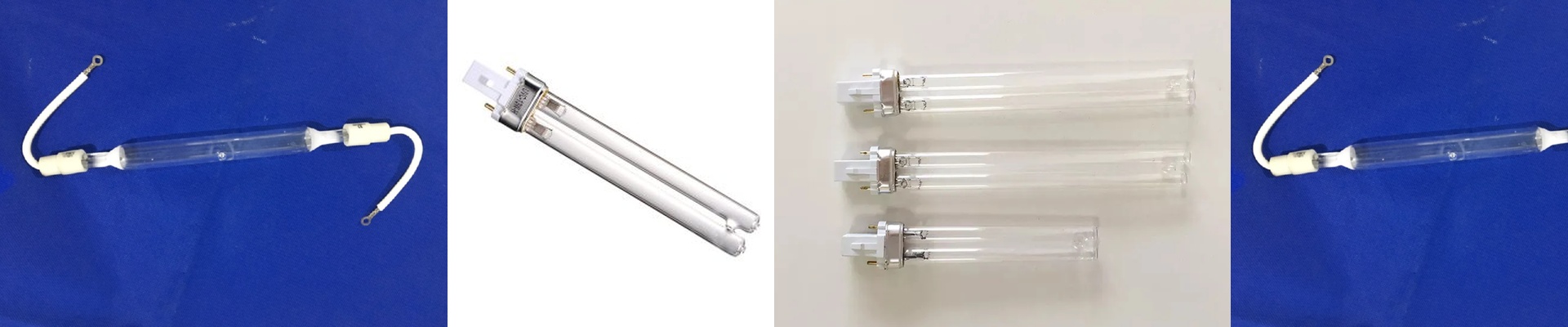
Introduction
Let’s get straight to it. We build industrial mercury UV bulbs for jobs that need serious, repeatable heat and curing. The kind of work where you can’t afford to guess. Our latest generation of lamps has something new: remote energy monitoring. It’s built right in, not some clunky add-on. That means you can keep an eye on power draw and runtime without ever stopping the line. The payoff? You cut down on troubleshooting time and keep the output rock-solid.
Technical Deep-Dive
At the heart of these lamps is a high-voltage, high-power design built to deliver heat and irradiance you can count on. They run on 400V, which lets us pack a lot of power into a compact 300mm length. That’s the kind of heat density demanding processes need. And here’s the neat part: running at high voltage drops the current for the same power. That keeps the wiring manageable and cuts down on energy loss in the cables. Plus, the remote monitoring gives you live wattage and run-hours data. So you can see right away if the lamp has ignited, catch any performance dips, and schedule maintenance based on real usage—not a guess. It even helps you balance energy use across multiple machines.
Material & Design
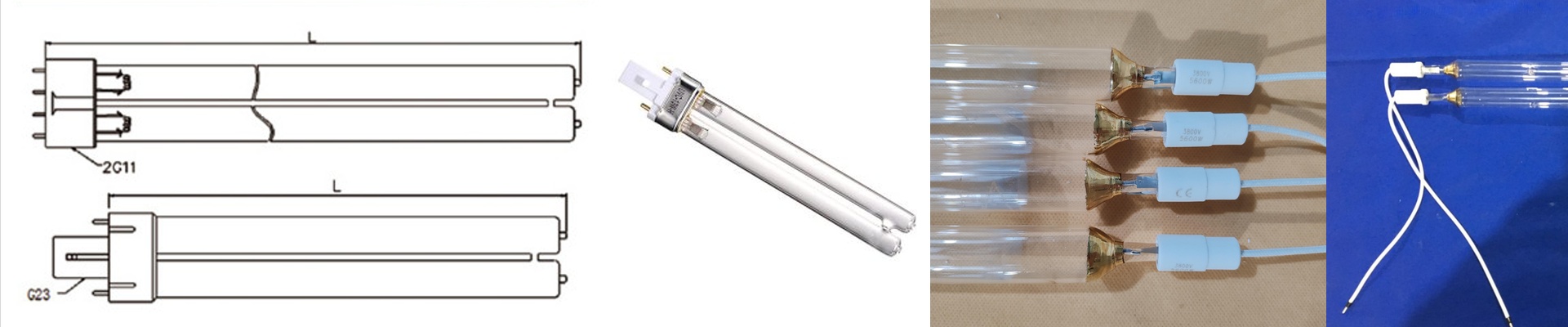
We chose a quartz envelope for the core because it handles thermal shock like a champ and lets the UV through. Then we apply a special coating to fine-tune the output spectrum and protect the internal arc from aging too fast. For the connector, we went with the R7s. It’s the practical choice. It handles the current, gives you solid contact, and makes replacement a snap on existing fixtures. The smart monitoring electronics live in a small, shielded module right at the lamp base. The design keeps electromagnetic interference out of the control lines and is built to survive the heat and vibration of a busy plant floor.
Application & Benefits
On industrial heating and curing lines—like coating, adhesive, or composite work—this setup gives you a ton of heat in a small footprint. The 400V setup simplifies the wiring, but you do need to make sure your control panel and cooling can handle the thermal load. The remote monitoring takes the guesswork out. You see exactly how much energy the lamp is using, and you can spot any drift before it turns into a quality issue. The end result? A lamp that installs quickly, runs consistently, and hands you the data you need to keep things running without chasing symptoms and swapping parts.
Reality Check
High power density means fast, repeatable heating. But it also means more ambient heat around the lamp. So plan your machine cooling carefully. You’ll need proper airflow, heat shielding, and thermal clearance. It’s not optional. Do it right, and you prevent premature stress on your components.