Getting the Light Right: Why We Obsess Over UV Precision
We built our modular UV curing system because we were tired of dealing with energy drift. Here’s the problem: in industrial curing, a tiny shift—even just 1%—can ruin everything. You either end up with a substrate that isn’t fully cured or, on the flip side, you accidentally scorch the surface. It’s a frustrating tightrope to walk. So, we pushed ourselves to hit a 0.5% concentration window. Why? Because that’s how you get a perfect, consistent cure across the entire conveyor, every single time.
Dealing with the “Edge” Problem
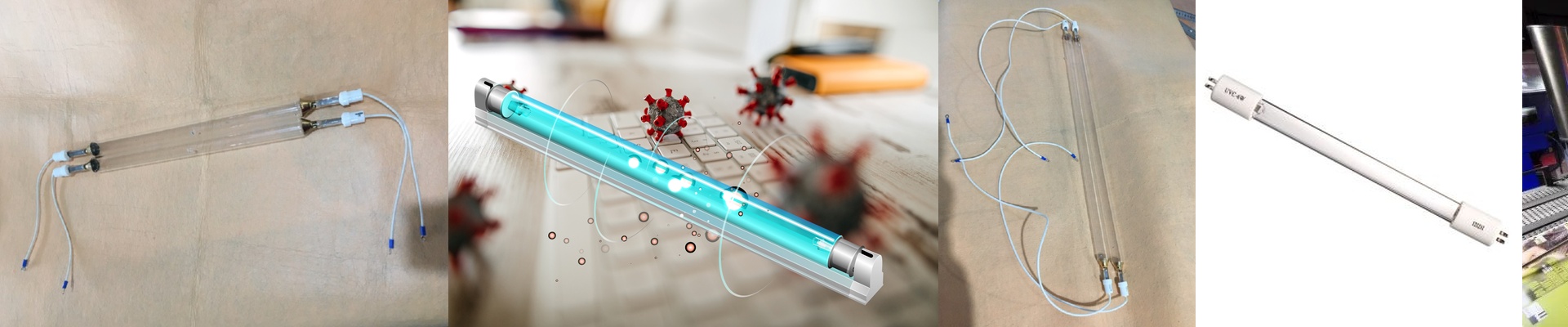
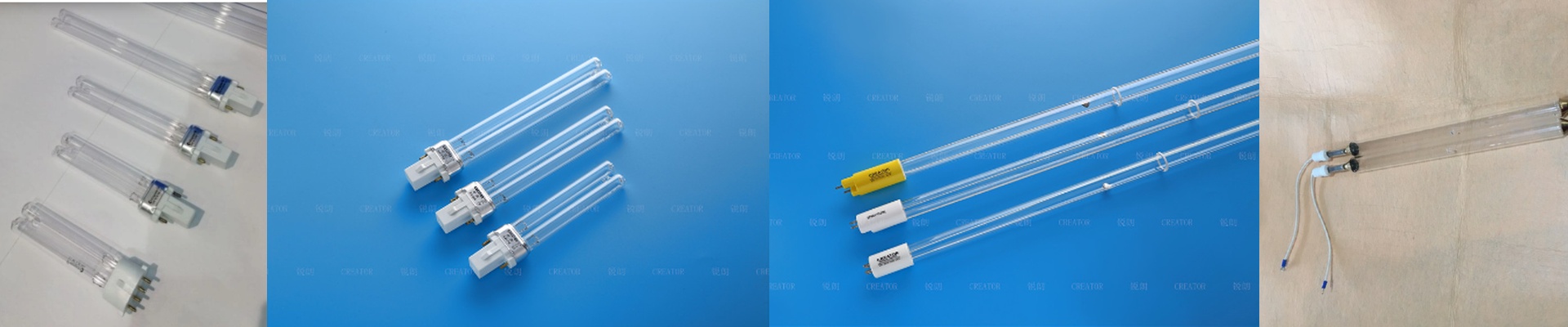
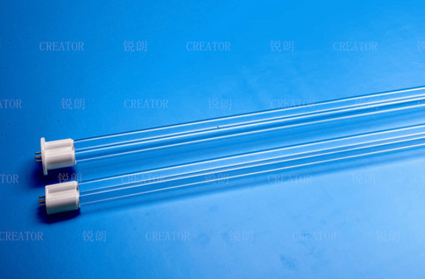
If you’ve worked with UV lamps, you know about “end-loss.” It’s that annoying dip in energy that happens near the electrodes. To fix this, we messed around with the electrode geometry and the gas fill pressure until it clicked. We also tightened the tolerances on the quartz envelope diameter. The result? The UV output is forced into a tighter, straighter beam. No more dips at the edges. You just get a flat, reliable energy profile across your target area.It just works.
Scaling Up (And Keeping it Cool)
We made these as drop-in modules. It’s a simple setup—if you need more intensity, you just add more units. You don’t have to tear apart your whole line or redesign the layout. But there’s a catch. When you concentrate energy this tightly, things get hot. Really hot. If you’re running at peak wattage, you can’t skimp on your cooling blowers. If the airflow isn’t aggressive enough, those quartz tubes will overheat. Once that happens, your spectral peak shifts and that 0.5% precision we worked so hard for goes right out the window.
Real-World Maintenance
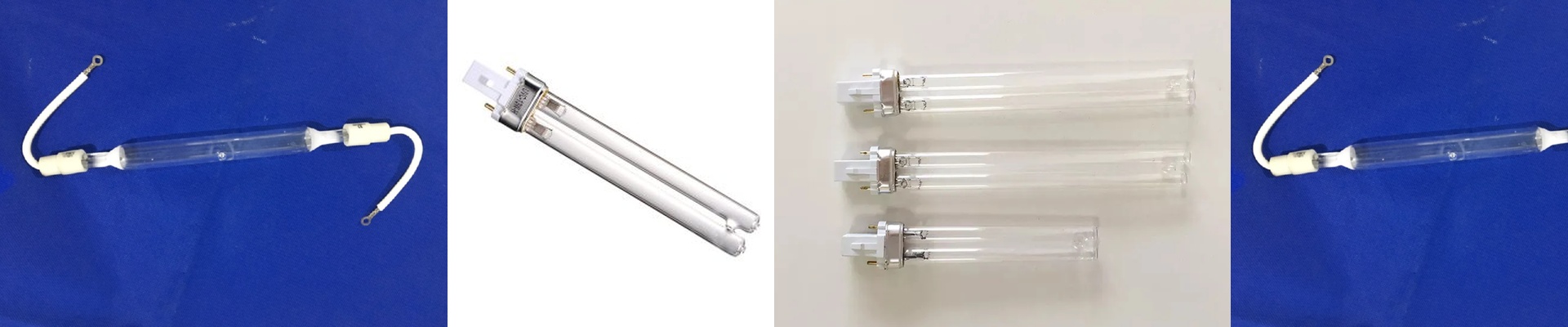
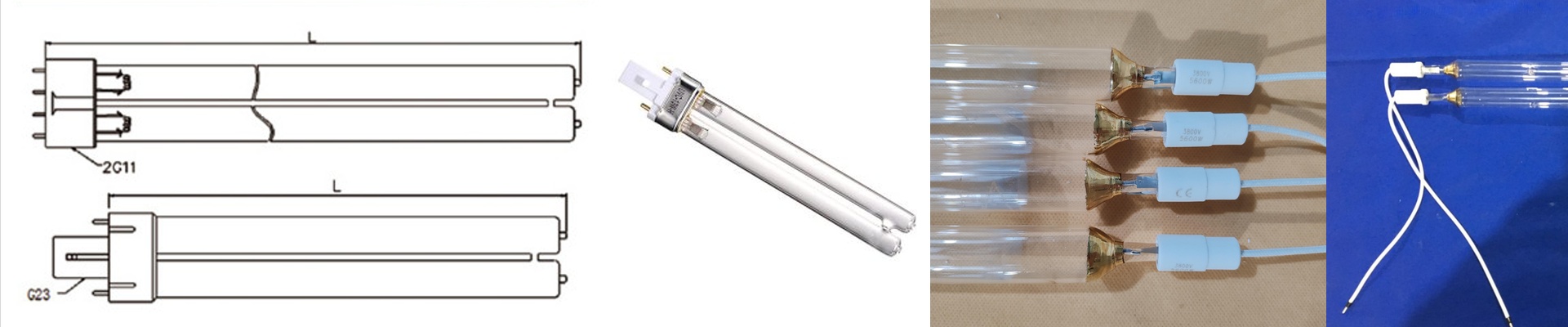
We used standardized connectors because nobody wants to spend an afternoon rewiring a cabinet. If a lamp goes, you just pop the module out and slide a new one in. Fast and painless. We also put these units through the wringer, running them 24/7 to see what actually breaks first. Surprisingly, it’s rarely the lamp. Usually, it’s the reflectors wearing down. My best advice? Give your reflectors a quick wipe-down once a month. Dust builds up, and that’s usually what causes the energy to start drifting. A little bit of cleaning goes a long way in keeping your precision locked in.