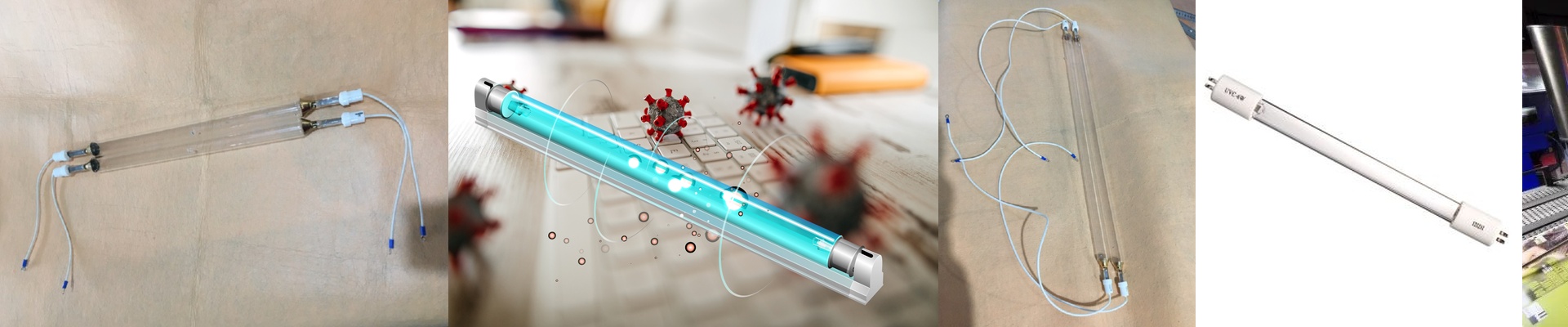
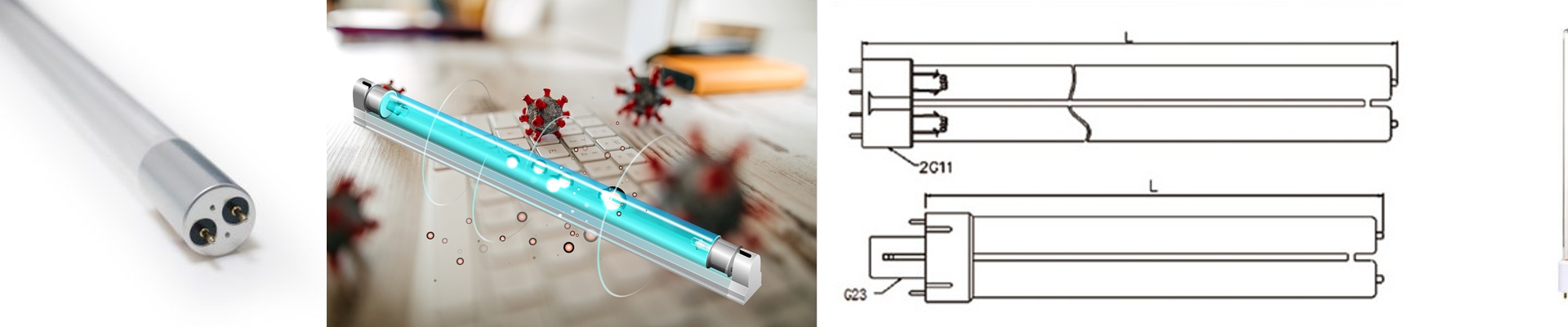
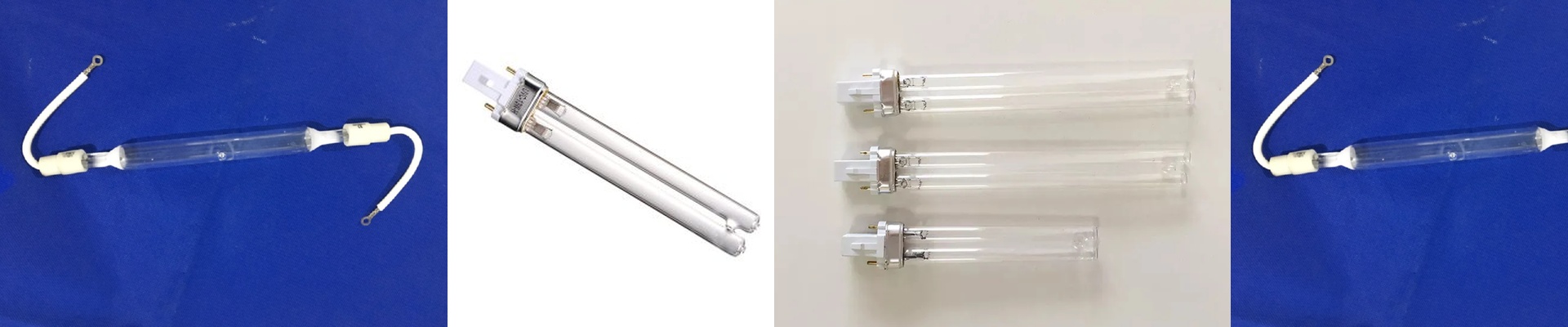
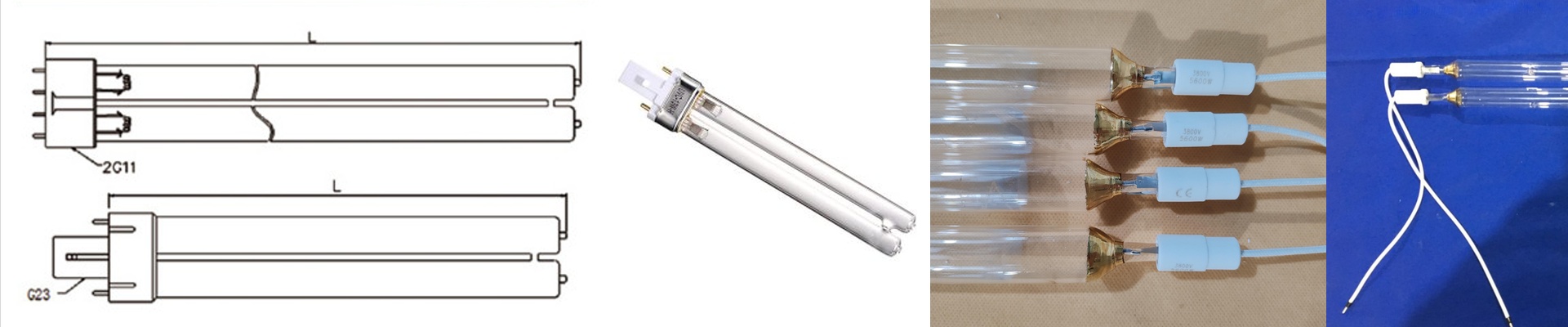
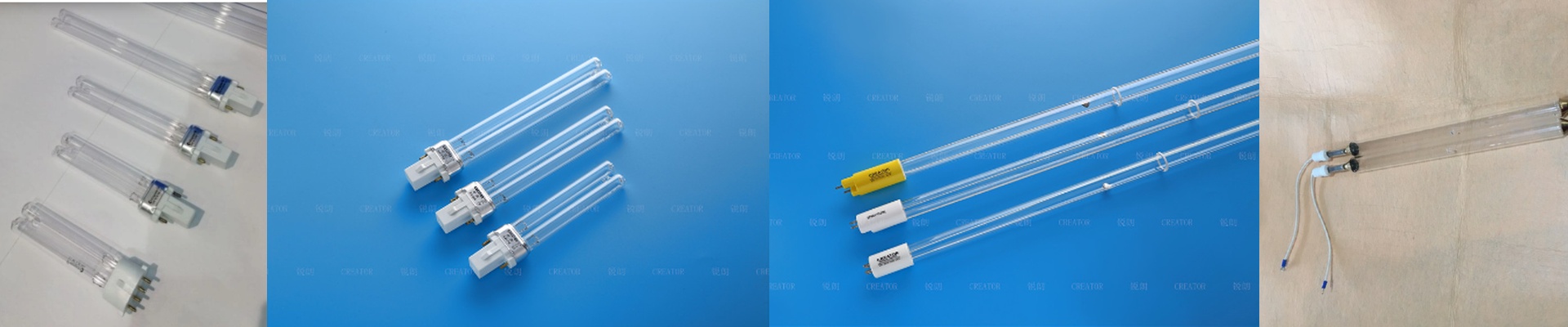
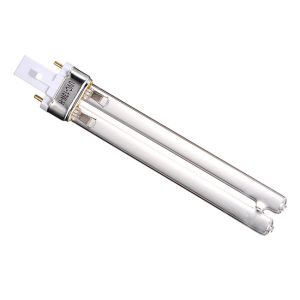
On disinfection robots, uptime and route time are measured in minutes—every second counts. If the UVC lamp can’t hold stable, high irradiance right where the beam hits, the robot has to slow down, stop, or re-scan. That stretches every run and chews more power. We built a UVC lamp for mobile robots around a high-pressure mercury vapor source, with tight control over spectral output and a reflector that puts the fluence where you need it. The numbers are what matter. It delivers defined UVC output at 254 nm, with peak irradiance over 150 mW/cm² at a 100 mm working distance, and routinely hits total fluence above 400 mJ/cm² in a short dwell. The dichroic-coated quartz envelope keeps stray wavelengths in check and helps maintain thermal stability, while the integrated thermal path keeps the envelope from heating nearby surfaces beyond what the robot can tolerate. Start-up is immediate, full output in seconds, and the output holds within ±3% across the duty cycle. Here’s why it works in practice: more fluence at the target plane means less exposure time to hit validated microbial reduction, which directly cuts cycle time per zone. The form factor is compact, and the mounting interface is standardized, so it goes on an arm or a top module without reworking the chassis. Intelligent power control supports adaptive scheduling, too. When sensors flag occupancy or shadows, the system can modulate the duty cycle and then ramp back to full output when the path is clear. One practical heads-up: high-intensity UVC needs strict optical alignment and a fixed standoff. Output drops with the inverse square of distance, so repeatable positioning is non-negotiable for consistent fluence maps. Before you deploy, confirm robot tolerances, check for reflective surfaces in the beam path, and validate the lamp cooling airflow.