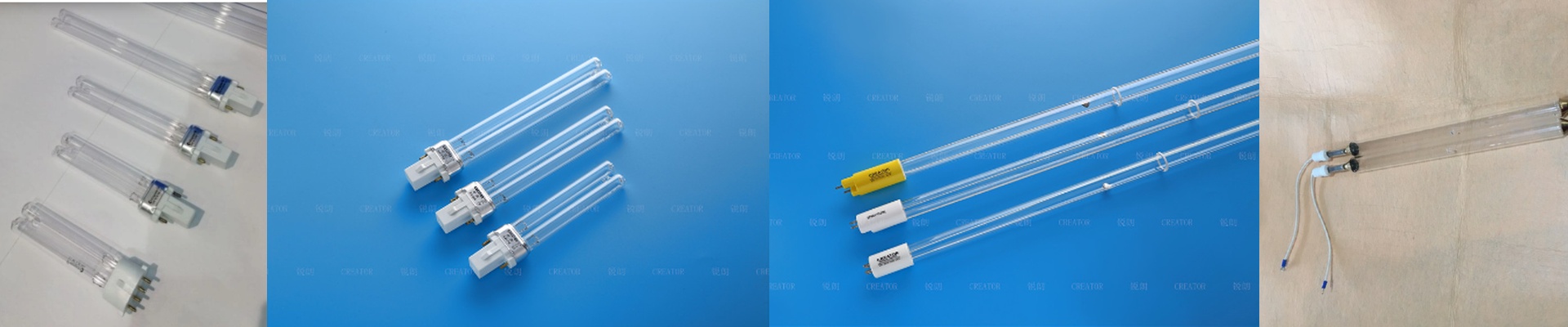
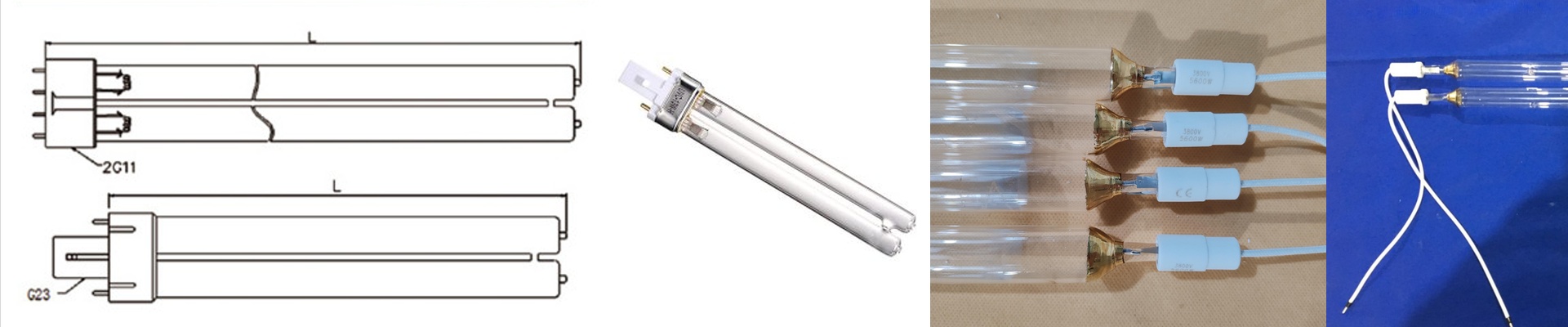
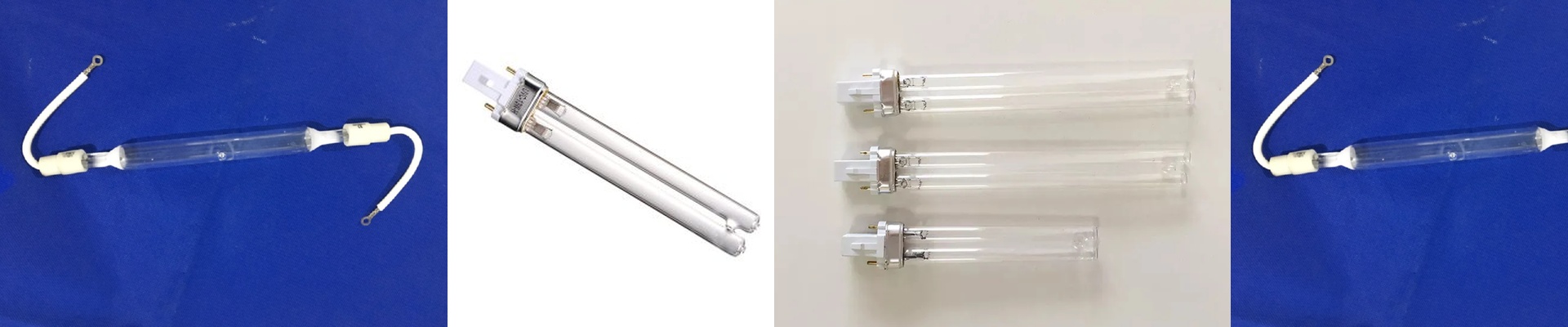
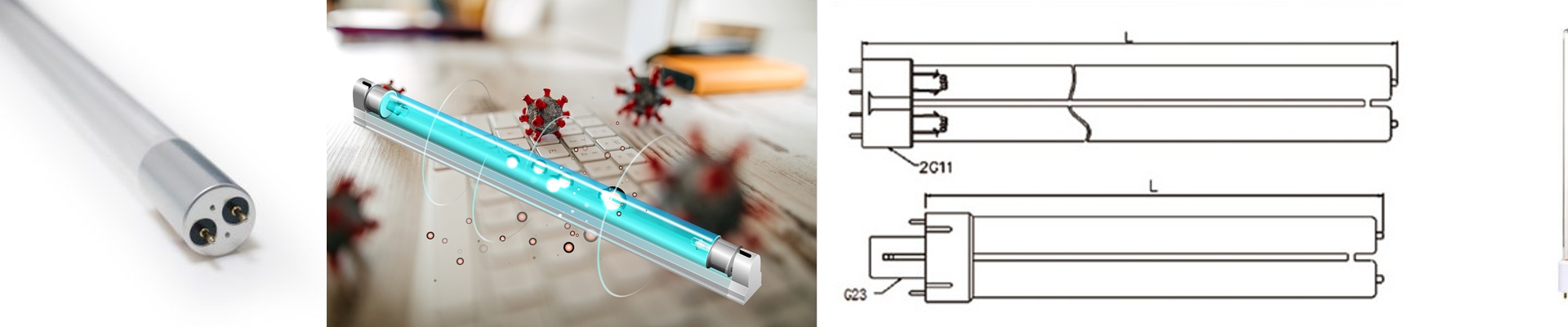
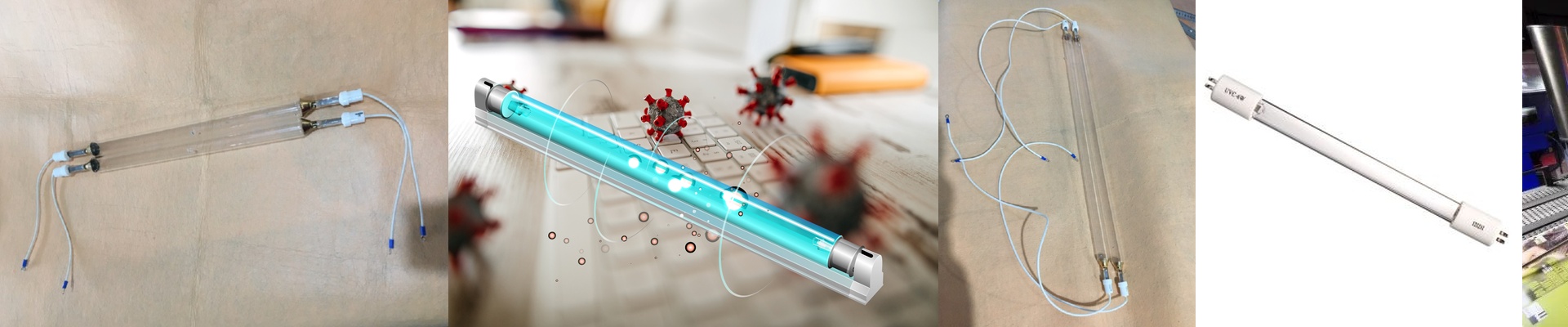
On the packaging line, one under-cured seal is all it takes to get container shift, crushed cartons, and claims that outrun the shipment. You need a UV cure that gives you repeatable energy—no guesswork. What matters under the hood We build around a high-pressure mercury vapor lamp, tuned to a stable spectral output centered at 365nm. That’s the wavelength that drives deep photoinitiator conversion in car-paint-grade and industrial coatings. Peak irradiance stays consistent across the full reflector width thanks to a dichroic-coated, ozone-free quartz envelope and a high-reflectance aluminum reflector cavity. We hold output stability within ±2% over an 8-hour shift, and we design for low attenuation: units routinely run 5,000+ hours with less than 5% drop. The payoff is a curing dose you can bank on, first sheet to last. Why this matters on the floor When you’re upgrading packaging for long-haul, cross-border logistics, you’re not just sealing—you’re engineering load integrity. Consistent UV energy gives you uniform cross-linking, and that means consistent surface hardness and adhesion. That repeatability pulls variability out of the process window, so you can run faster without chasing cure failures and ship knowing the seals will hold through shock, vibration, and humidity. It also keeps energy density predictable, so you don’t waste power on over-curing or pay for rework from under-curing. The practical details Match the lamp to the substrate’s photoinitiator window, and make sure the reflector is aligned to the printed area. If the spectral output is off or the beam is mis-focused, effective dose drops—even when the lamp reads “strong.” Expect real thermal management. Adequate airflow and proper fixture clearance are non-negotiable if you want to keep spectral consistency and lamp life in line. On a 24/7 line, run intensity checks with a calibrated radiometer and plan lamp replacement around the 5,000-hour mark. That’s how you keep dose within spec, shift after shift.