Why “Off-the-Shelf” UV Lamps Are a Massive Risk for Your Exports
Here is the truth about buying generic UV curing lamps: you’re often playing a guessing game with someone else’s patents. It sounds like a boring legal detail until your machinery gets flagged at customs. If your supplier doesn’t actually own the rights to the circuitry or the quartz mix in those lamps, you’re walking into a trap. Customs seizures and IP lawsuits are a nightmare nobody needs when they’re just trying to move product across a border.
We build our own stuff. Period.
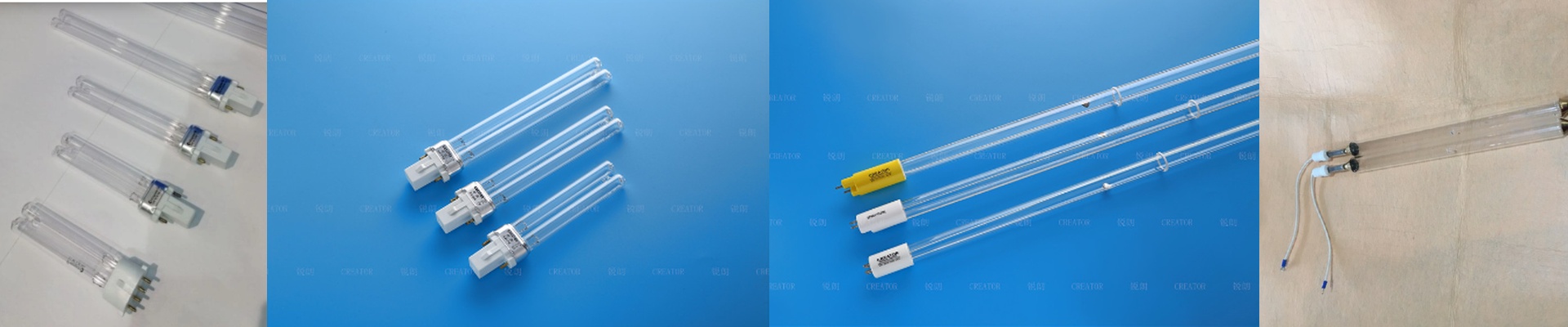
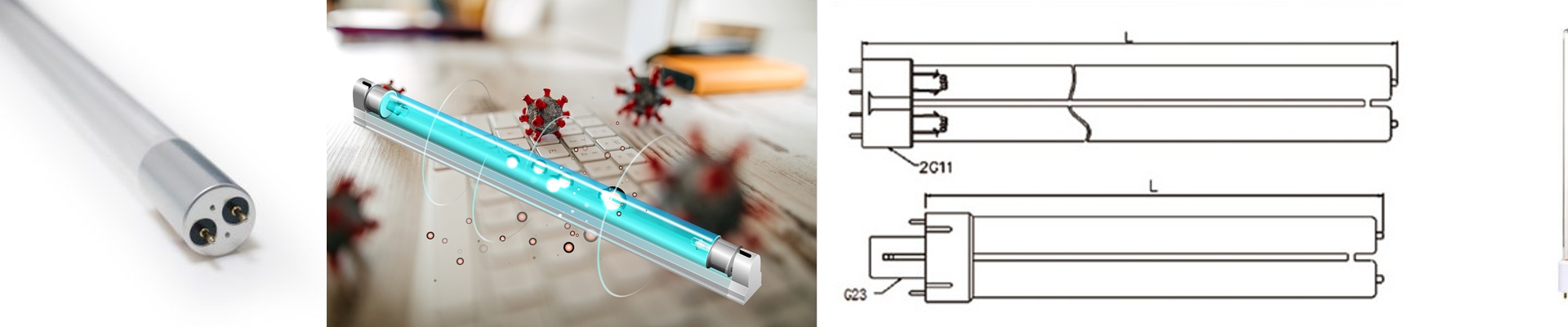
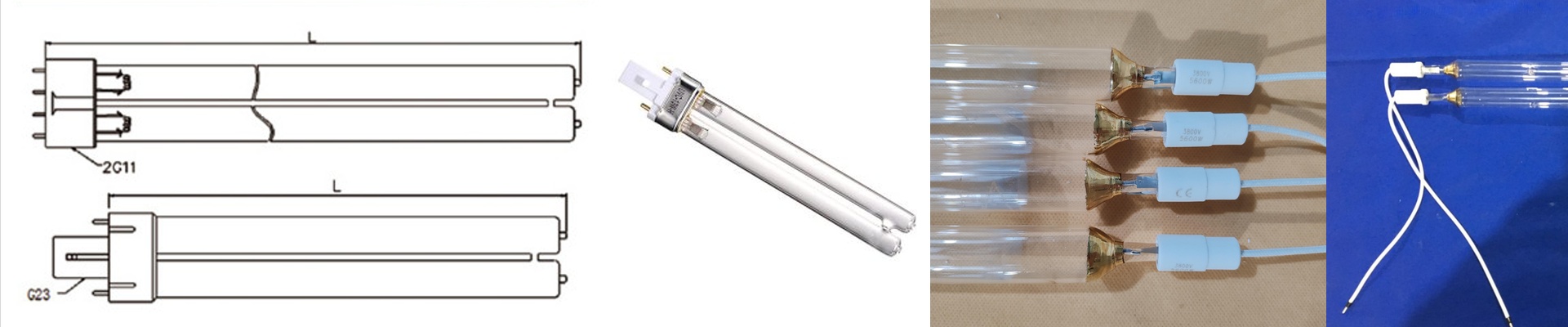
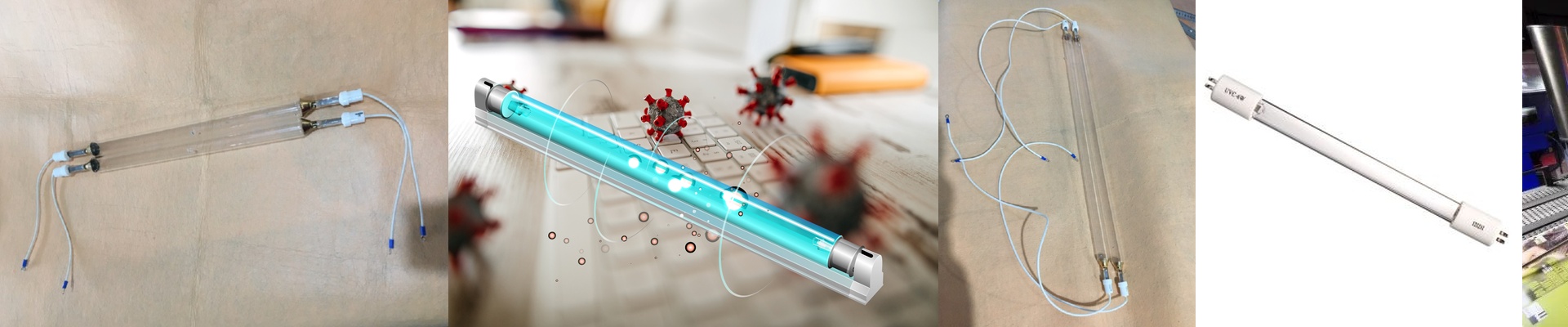
We don’t do “standard blueprints.” We build our UV solutions from scratch. That means we’re the ones obsessing over the dopants in the quartz glass and the exact spacing of the electrodes. When we design a lamp for high-intensity curing, we’re figuring out the winding patterns and cooling shapes in our own shop. Why does that matter to you? Because it means your Bill of Materials is clean. You get a legal guarantee that your hardware isn’t stepping on anyone’s toes. It’s the only way to actually sleep soundly while your gear is in transit.
The battle between power and heat
High-output UV lamps gethot. Like, really hot. To get that fast cure time you’re looking for, we have to crank up the wattage. But that puts a lot of stress on the housing. To fix this, we use specific reflector coatings that bounce the UV rays right back into the substrate. It keeps the whole thing compact and efficient. But there’s a catch. More UV output means more heat hitting your conveyor system. You’ve got to make sure your cooling fans can actually handle the load. If you skimp there, you’re just going to burn out your lamps way too early.
No more “grey areas” at customs
Customs agents are trained to spot patent markers. When you use a supplier who owns their own tech, your paperwork actually matches the hardware. There’s no squinting at documents or wondering if a shipment will get held up. You just get a replacement part that’s legally cleared and ready to work in your target market. Simple.