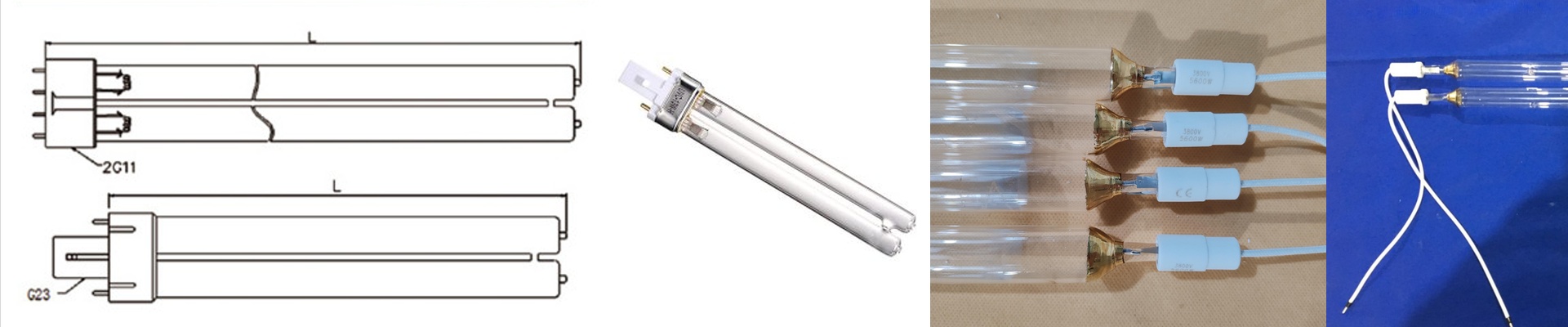
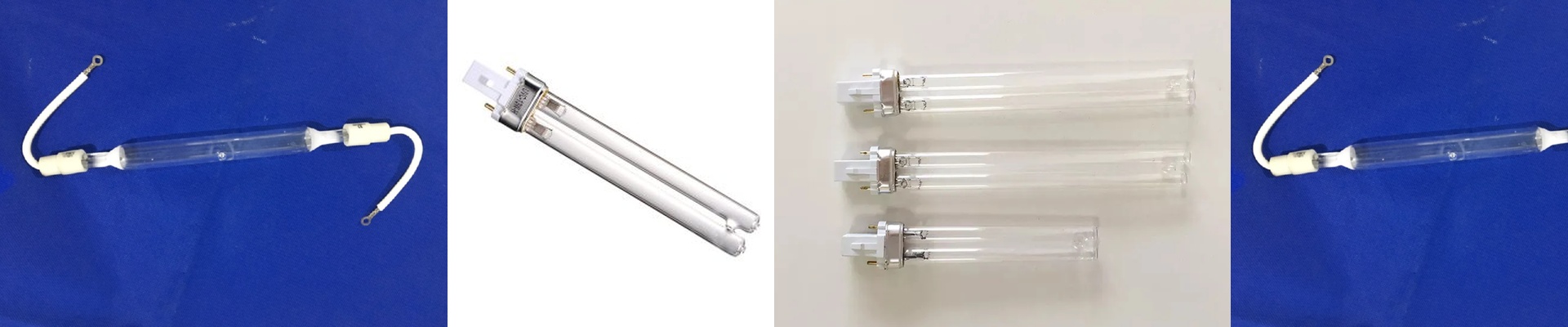
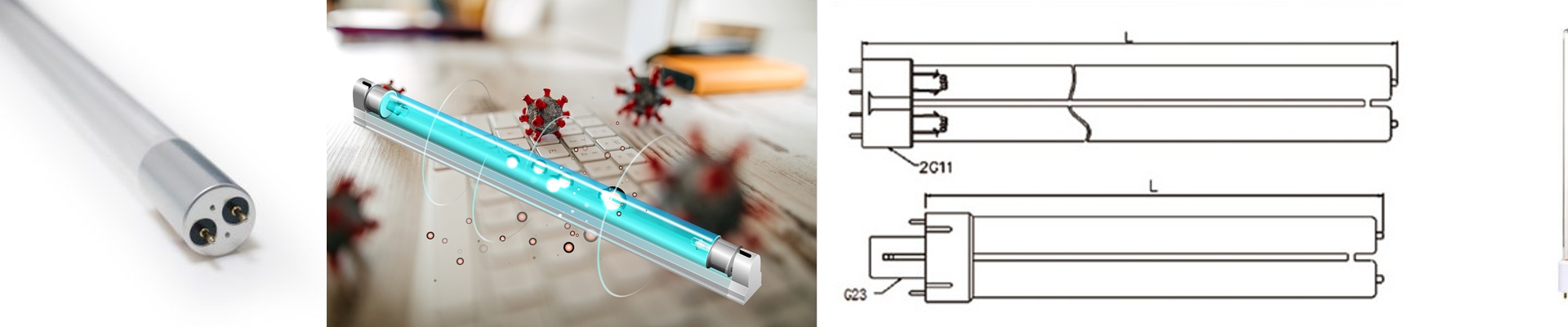
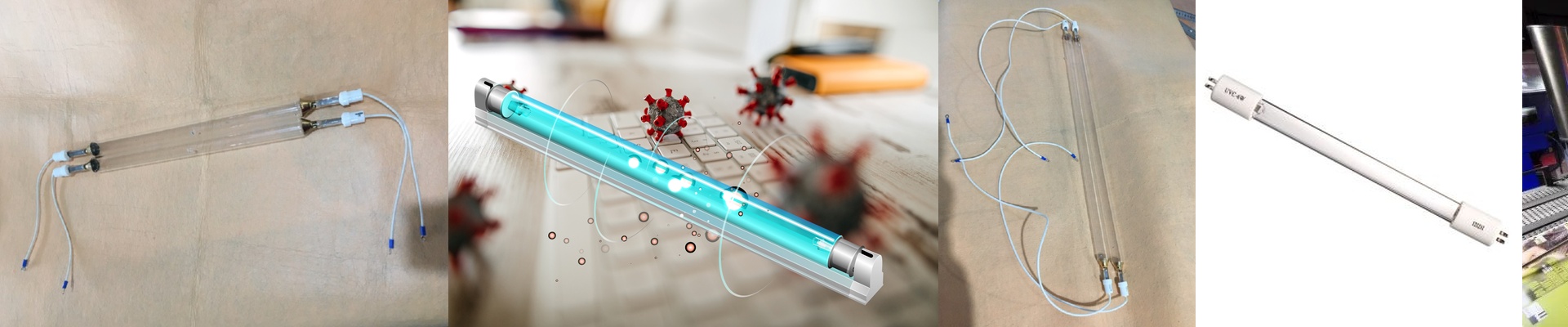
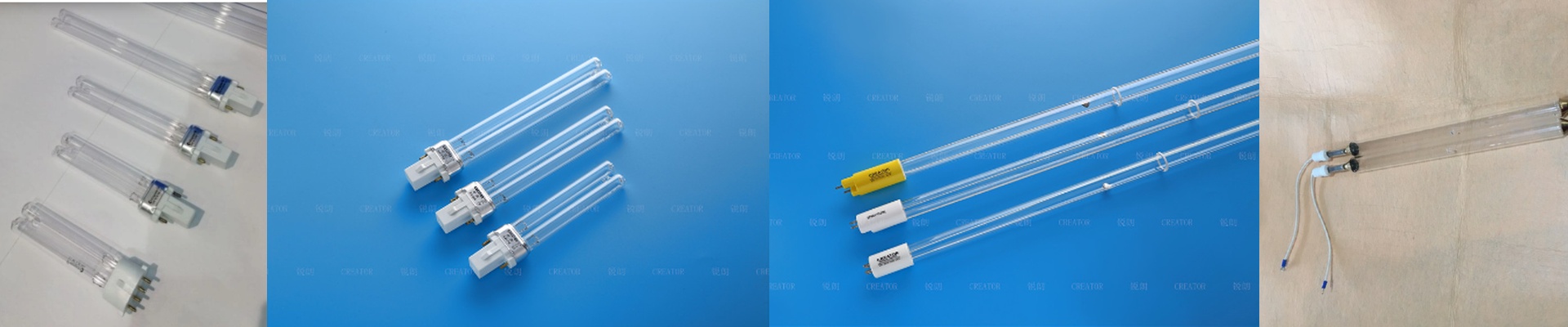
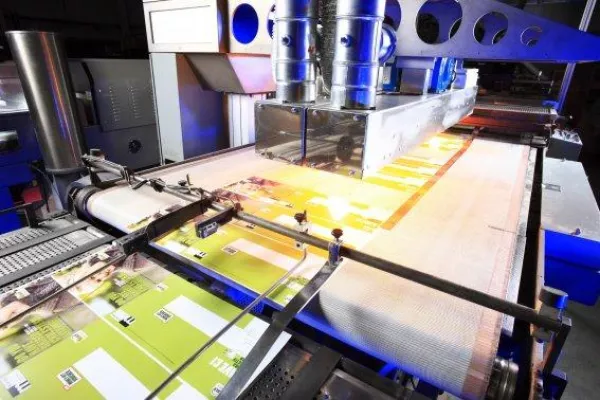
OEMs keep coming back for one reason: curing you can count on, shift after shift. Out here on the press floor, inconsistent cure isn’t a spreadsheet problem—it shows up as adhesion loss on heavy ink deposits, pinholes in the fine work, and scrap that quietly eats your margin. So we built a UV gallium lamp for screen printing that holds a steady spectral output at 365nm. That wavelength lines up with the absorption band of common photoinitiators, so cross-linking finishes inside the dwell window, where it’s supposed to. What we focused on, technically The lamp starts with a high-purity gallium dopant profile that pushes the mercury emission toward 365nm while cutting down short-wave UV and excess IR. The payoff is a tight peak that cures thick stencils without skinning the surface. We measure peak irradiance at the substrate plane, not at the lamp envelope, and the reflector geometry—coated dichroic—squeezes more usable energy density into the work. Output stays stable thanks to an ozone-free design and a controlled arc gap, keeping intensity drift under 5% over 5,000+ hours. Why this matters in screen work Screen runs mean thick ink layers and registration tolerances you can’t fake. With this lamp, you get faster curing cycles without cranking up lamp power, because the spectral match drives photoinitiator conversion more efficiently. In practice, that means fewer rejects from under-cure, lower energy draw per part, and lamp replacement intervals that line up with planned maintenance. If you’re an OEM, we set leads, terminations, and mounting dimensions to match your machine footprint, so integration is straightforward. A few shop-floor details Match the lamp to your igniter and ballast. High-frequency electronic ballasts hold arc impedance steady; magnetic ballasts can introduce intensity ripple that shows up as cure banding. Keep the substrate in the reflector’s focal plane and keep the quartz surfaces clean—dust and ink residue scatter output and knock down effective irradiance. Expect a warm-up profile, too: full output stabilizes after a short run-in, so set cure windows after verifying with a radiometer.