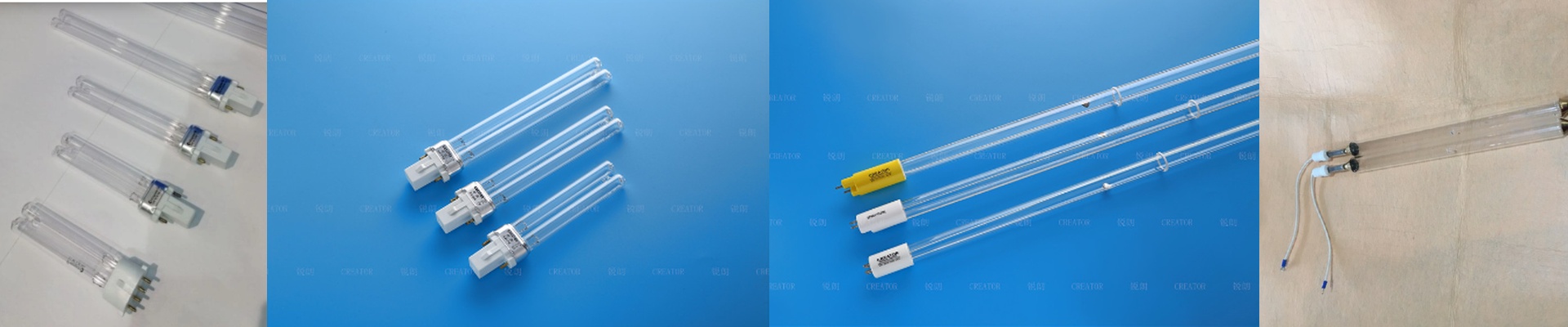
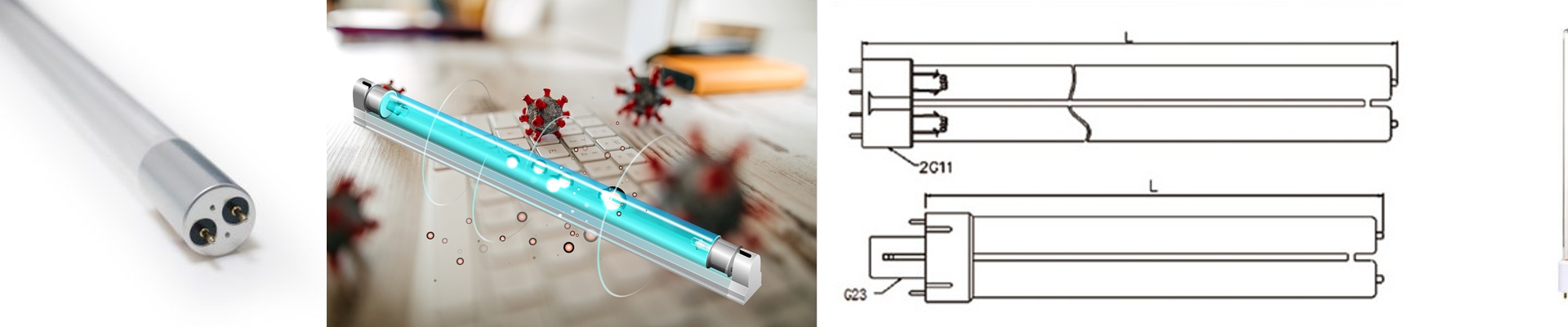
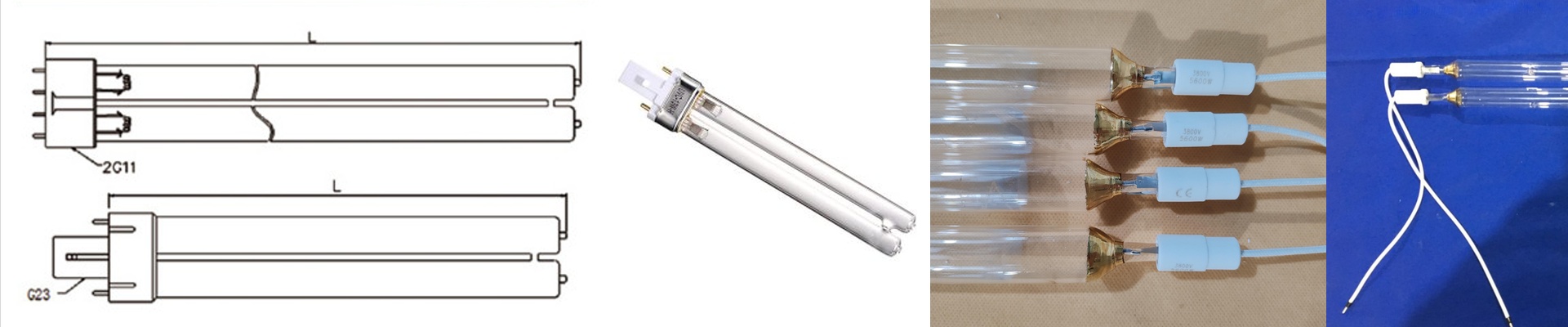
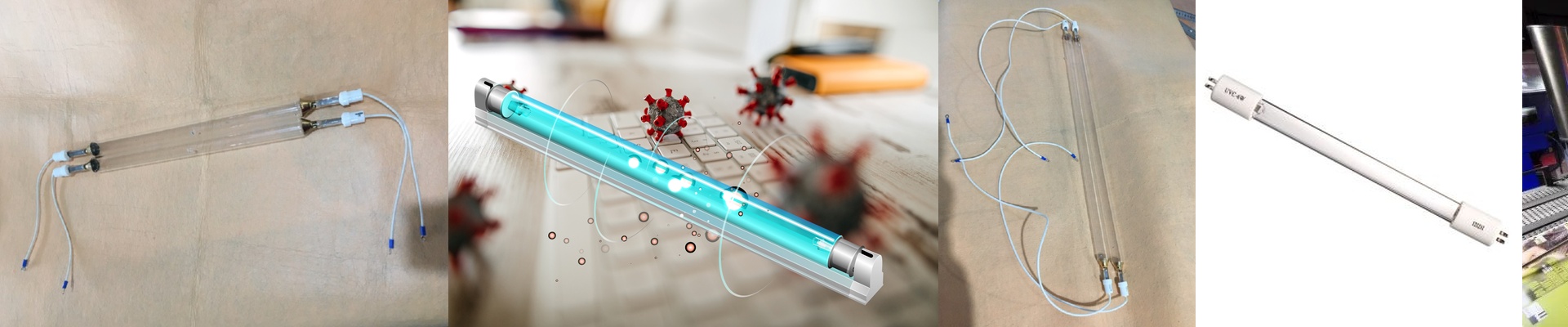
Getting Your UV Curing Actually Right
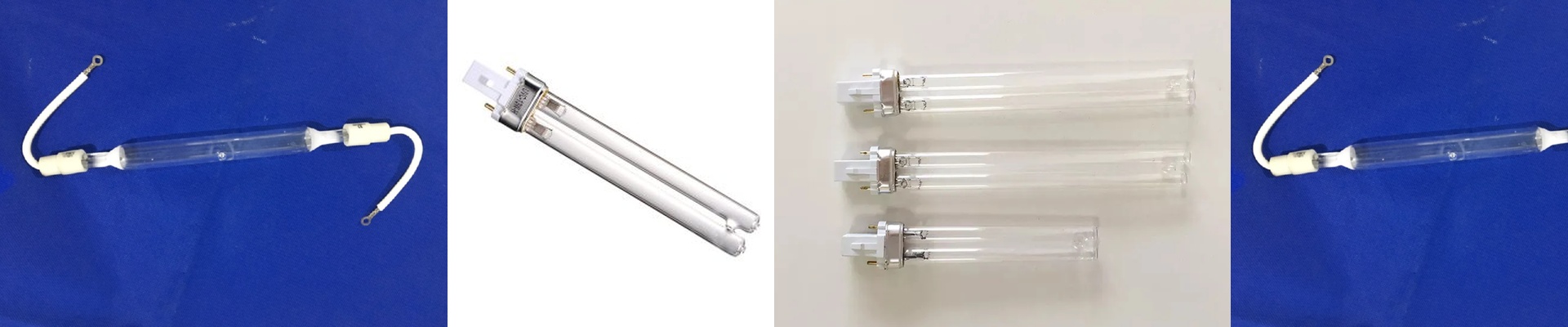
Most mercury UV bulbs are a bit… messy. They use a plasma discharge to get the job done, but the energy tends to drift. Instead of a sharp, powerful hit of light, you get a wide, blurry band of energy. That’s a problem. When the light spreads out, your photoinitiators don’t react as fast as they should. We spent a lot of time in the lab figuring out how to tighten that focus. Our goal? A variance of just 0.5%. Why does that tiny number matter? Here’s the thing: mercury lamps usually hit three main spots—254nm, 313nm, and 365nm. To keep those lines razor-sharp, we had to get aggressive with the internal gas pressure and the purity of the mercury amalgam. If the pressure jumps around, the light blurs. And when the light blurs, your resins act up. You end up with surfaces that feel tacky to the touch or bases that aren’t cured all the way through. To fix this, we tweaked the thickness of the quartz walls. It keeps the pressure steady from one end of the tube to the other. The heat struggle Of course, there’s a catch. When you concentrate that much energy into a tight peak, things get hot. Really hot. That puts a lot of stress on the bulb. If you use cheap glass, it “solarizes”—which is just a fancy way of saying the glass gets cloudy after a few hundred hours. We switched to high-purity fused quartz to stop that from happening. But you’ve got to do your part, too. Make sure your cooling fans are up to the task. If the bulb overheats, the mercury vapor pressure shifts and you lose that 0.5% precision we worked so hard for. It’s all a balancing act between raw power and keeping things cool. Putting it to work We didn’t want you to have to rebuild your entire line just to use these. They’re simple drop-in replacements. We also spent a lot of time on the electrode geometry. No one likes it when a bulb burns out at the ends prematurely. By cleaning up the way the arc starts, we got rid of the flicker and made sure the energy output is flat. It means you can keep your conveyor moving at a steady clip without worrying about “cold spots” where the cure just doesn’t happen. It just works.