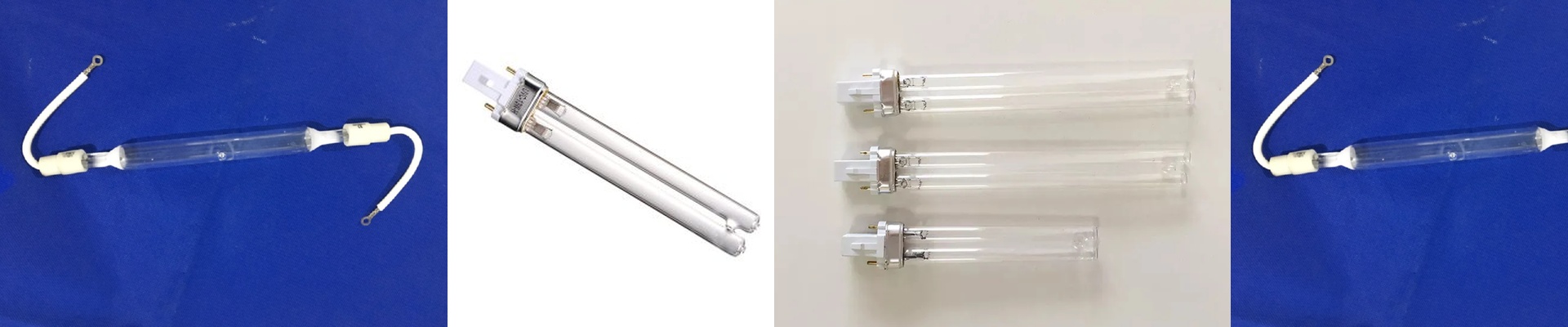
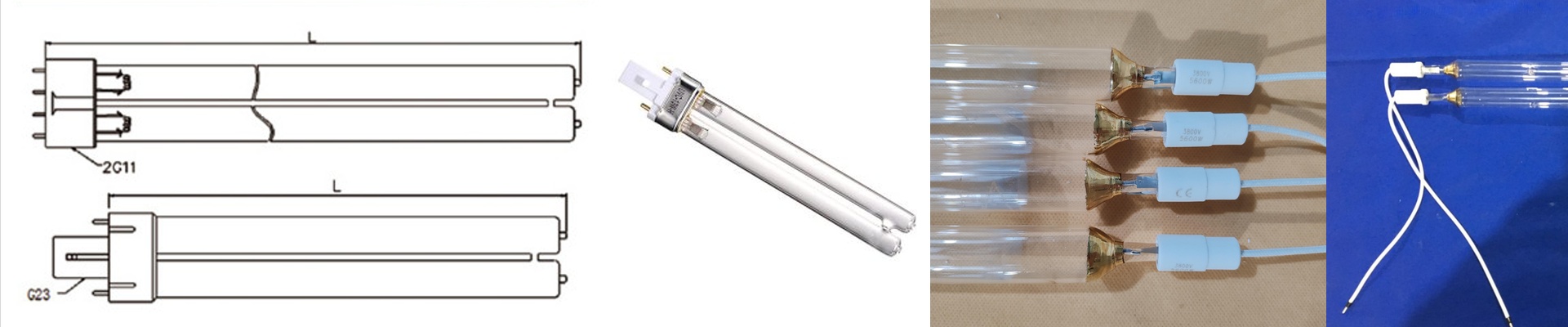
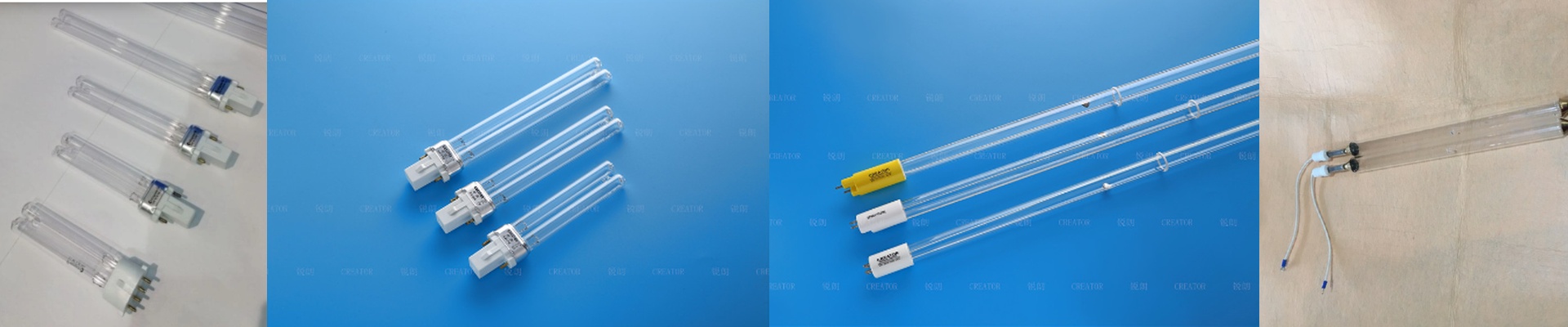
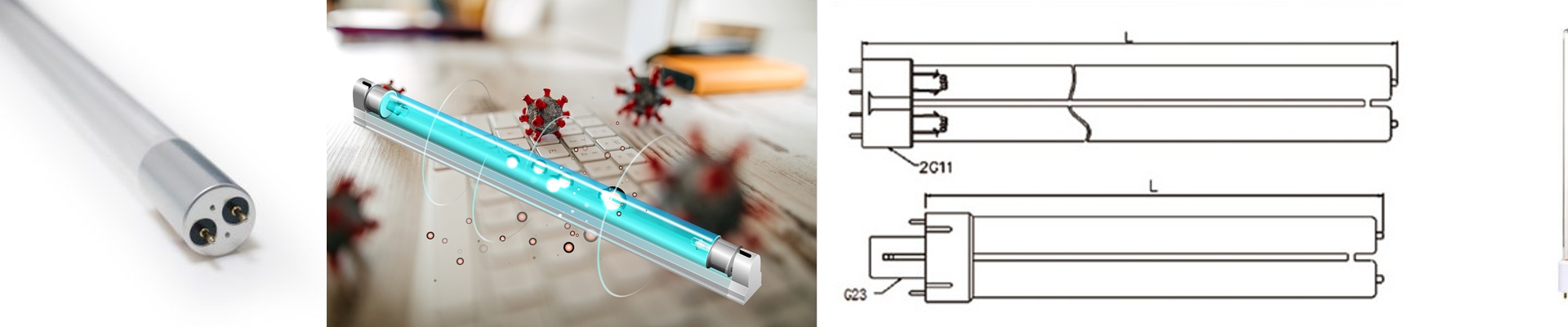
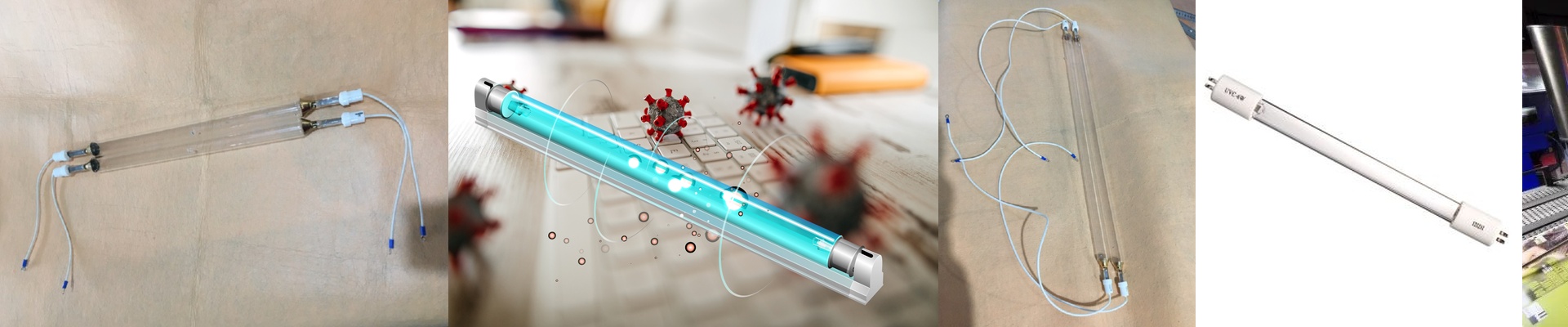
Getting the Most Out of Your 120W/cm Mercury UV Lamp
When we set our standard mercury UV lamps to 120W per centimeter, we aren’t just picking a number out of a hat. In the world of industrial curing, speed is everything. If your line slows down, you lose money. Simple as that.
The Power and the Trade-off
At 120W/cm, we’re cramming a huge amount of energy into a small quartz tube. Inside, the mercury vapor is working hard to hit those 254nm and 365nm peaks. Those are the “sweet spots” that actually trigger the chemical reaction in your adhesives or coatings. But here’s the thing: all that power creates a ton of heat. If your cooling fans are dusty or your water-jackets aren’t up to the task, you’re going to have problems. The quartz can overheat, which leads to burnout or “solarization.” That’s when the glass gets cloudy, your UV output tanks, and suddenly your product isn’t curing right.
The Nitty-Gritty Design
We use high-purity fused quartz because regular glass would just soak up all the short-wave radiation. We need that light to get out of the tube and onto your product. We also obsess over the electrode placement. Why? Because a shaky arc causes flicker. And flicker leads to “striping”—those annoying uneven lines on your substrate that make a part look like a second.
Putting It to Work
You’ll want to pair these with high-frequency electronic ballasts. Trust me on this. The old magnetic transformers are clunky, they flicker at 60Hz, and they take forever to warm up. Electronic ballasts just work better. These lamps are built for the heavy lifting—think automotive clear-coats or medical-grade glues where you need the cure to happen in a fraction of a second. One last tip:**keep your reflectors clean.**It sounds basic, but a layer of grime can kill your intensity by 20%. When that happens, you’re forced to slow down the belt, and that’s exactly what we’re trying to avoid.