Making Your UV Curing Tubes Actually Last
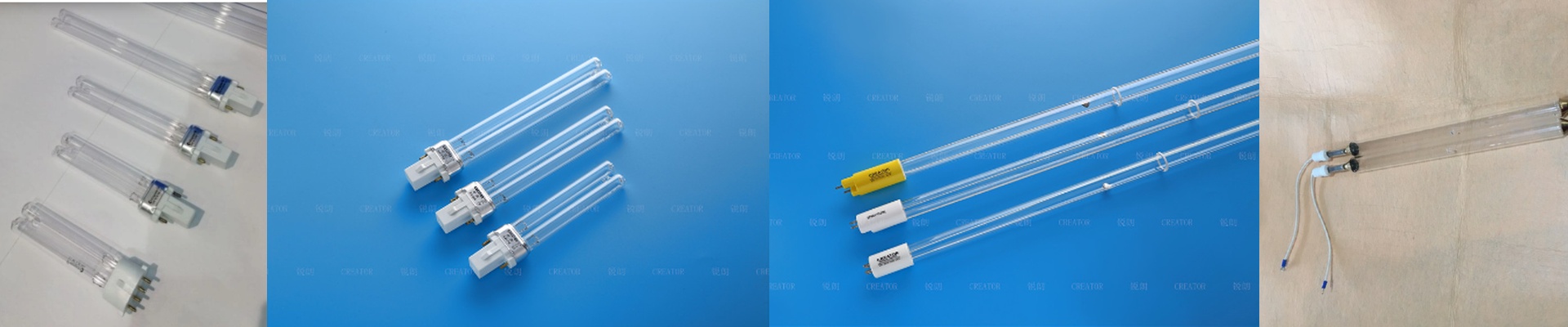
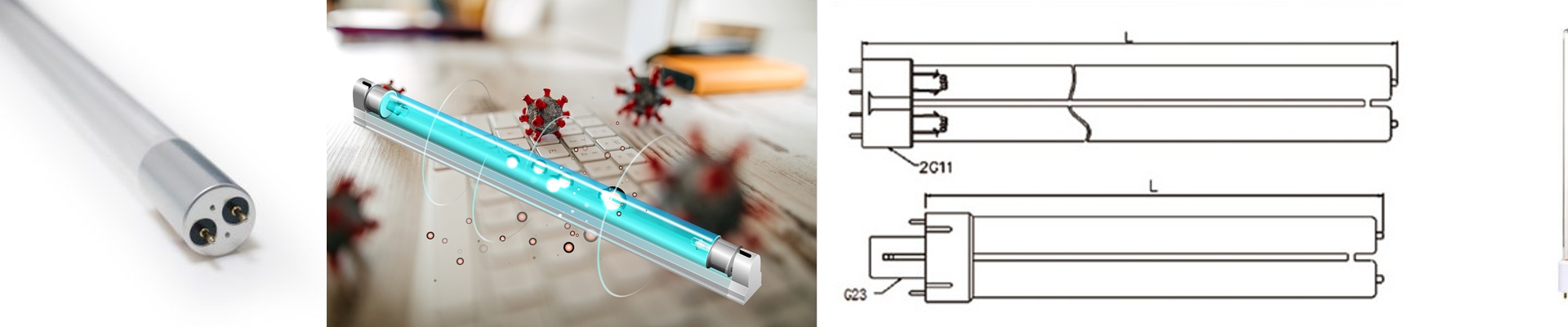
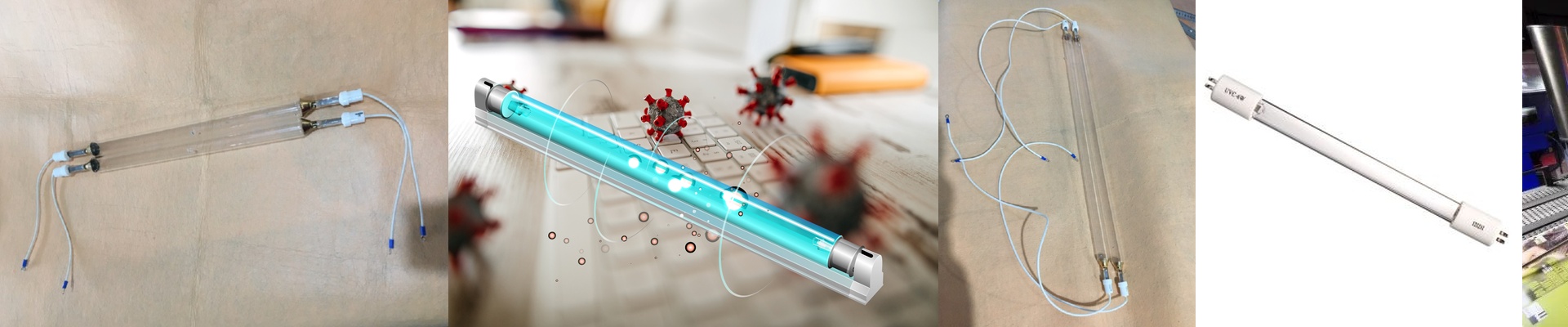
Mercury vapor tubes are the real heavy lifters in the world of coatings and adhesives. Their whole job is simple: blast out intense UV light—mostly in the UVC and UVB range—to turn liquid monomers into solid polymers in a matter of seconds. It’s fast. Really fast. And when it works, it’s magic.
Why tubes actually die
Most of the time, a tube fails because the electrodes wear out or the quartz starts to “solarize.” That’s just a fancy way of saying the glass gets cloudy. To stop that from happening, we use high-purity fused quartz. It keeps the glass clear and the UV output steady. We also spend a lot of time tweaking the mercury pressure and the gas mix inside. Why? Because it takes the pressure off the cathodes when the lamp kicks on and stays running. Less stress means a longer life.
Dealing with the heat
We can tweak the wattage and voltage to match how fast your line is moving. If you’ve got thick coatings, you need more power. But here’s the catch: more power means more heat. You’ve got to make sure your cooling—whether you’re using air or water—can actually handle that load. If the tube gets too hot, you’re looking at burnt-out ends or a failed seal. It’s a quick way to kill a perfectly good lamp.
Fitting them in
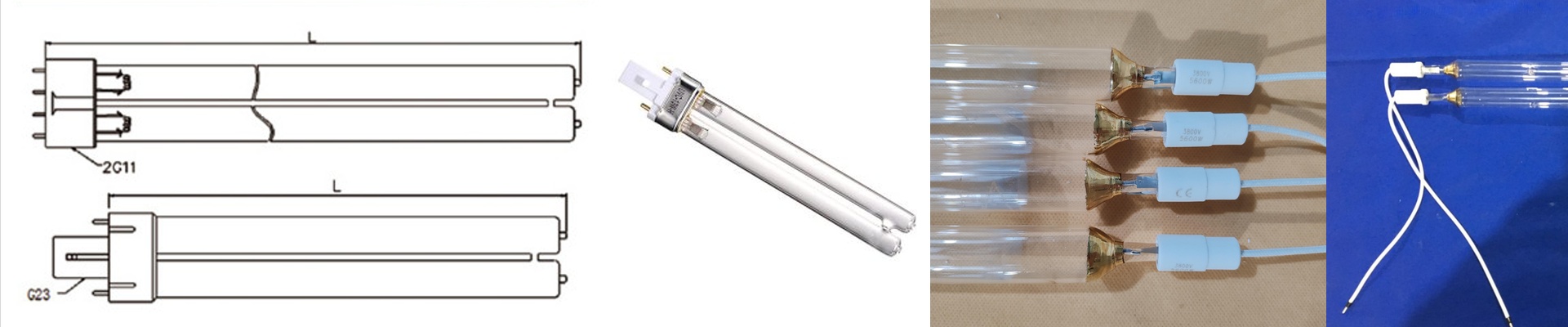
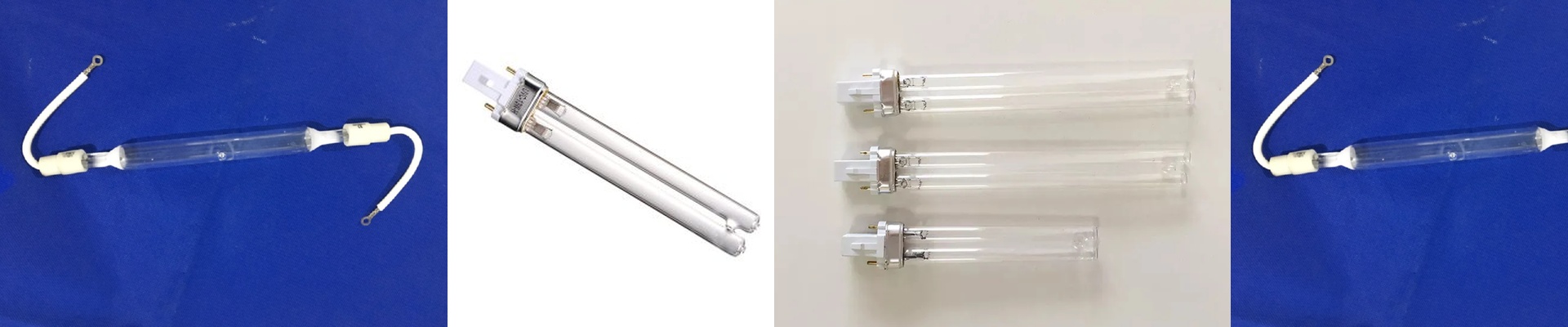
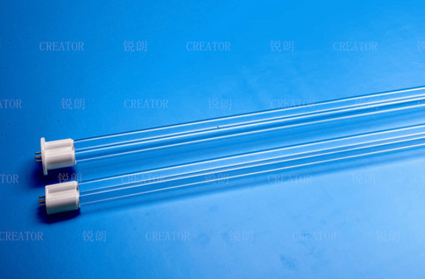
These are designed to slide right into the systems you’re already using. We obsess over the end-cap dimensions and the pin alignments because a loose fit is a disaster. If the connection isn’t tight, you get arcing. And arcing kills a lamp instantly. We don’t do “premium experiences” or fancy marketing. We just build a tool that hits your micron-level specs without the brand-name markup. If our custom lamps don’t perform exactly like the big-name brands, we’ll give you your money back. Simple as that.