The Real Story Behind 80W/cm Mercury UV Lamps
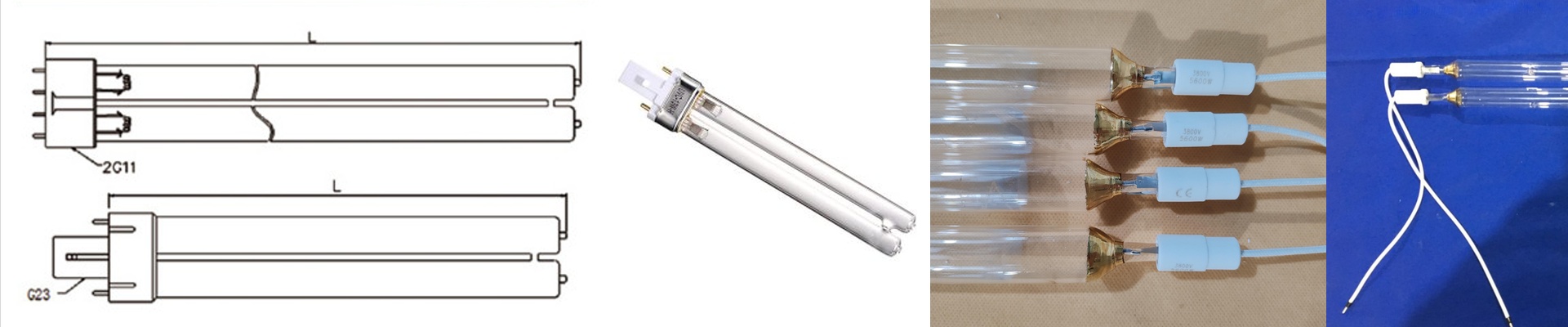
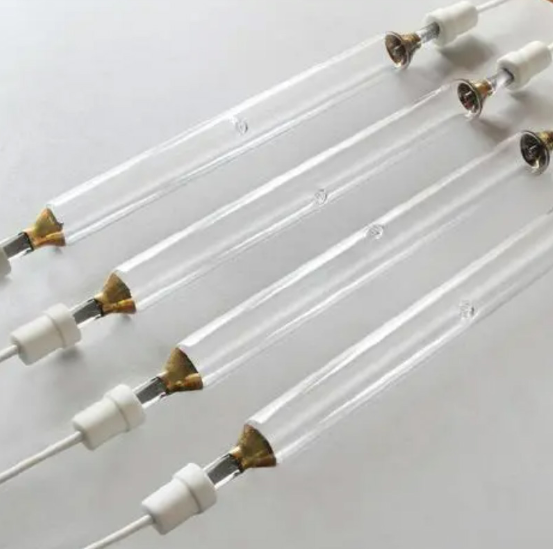
You probably never think about them, but mercury UV lamps are basically the unsung heroes of the garment world. Whether it’s that first drop of ink on a fresh white tee or the final weather-proofing on a high-end jacket, these lamps are doing the heavy lifting behind the scenes to make sure everything actually sticks. The heat is the hard part. We lean on 80W per centimeter for a reason. It gives you exactly the kind of UVC and UVB punch needed to snap those textile inks and coatings into place. The logic is pretty straightforward: more wattage means faster curing. That’s great because you can speed up your conveyor belt and keep the line moving without worrying about “wet” fabric coming off the end. But there’s a catch. At 80W/cm, things gethot. Really hot. If your cooling fans or water-jackets aren’t up to the task, you’re going to run into trouble. You’ll either scorch your fabric or burn out the lamp way too soon because of the thermal stress. How it actually works These are medium-pressure mercury vapor lamps. We wrap the mercury plasma in a quartz envelope so the shortwave UV radiation can get out and do its job. It’s essentially turning electricity into a powerful UV arc. Here is the trick: your ballast has to be perfectly tuned to the tube’s starting voltage. If that voltage jumps around, you’ll get a “flicker.” That might not sound like a big deal, but it leads to uneven curing. You’ll end up with patches of ink that look fine at first, but then wash right out the moment the customer puts the shirt in the laundry. Not a great look. Where they fit in I usually see these lamps popping up in three spots: Screen Printing: To set plastisol or UV-inks in a heartbeat. Functional Coatings: For bonding those water-repellent layers to synthetics. Digital Printing: To lock in pigment inks so they don’t bleed. Just a pro tip: hook them up to a solid timer andkeep the quartz tubes clean*. Dust is the enemy here. It blocks the UV light and creates hot spots that can crack the glass. Keep it clean, and the lamps will take care of the rest.