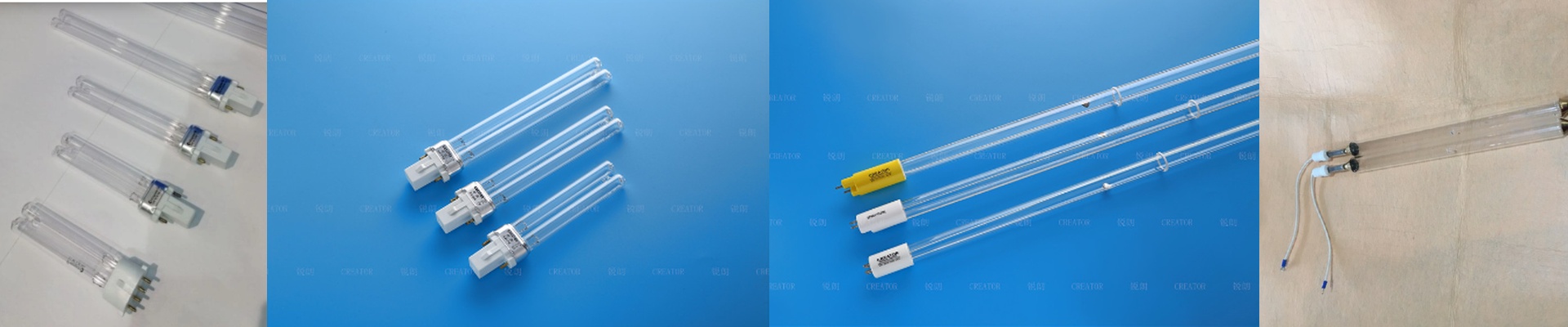
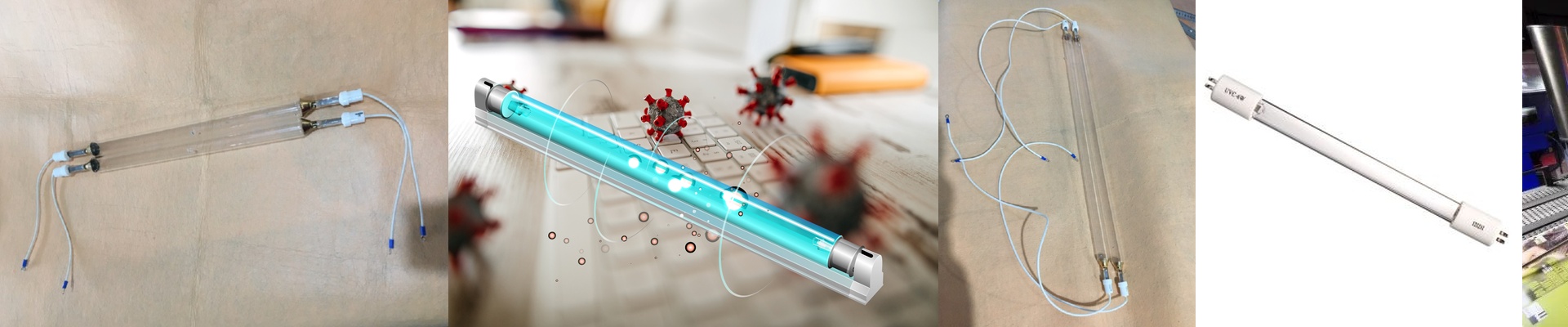
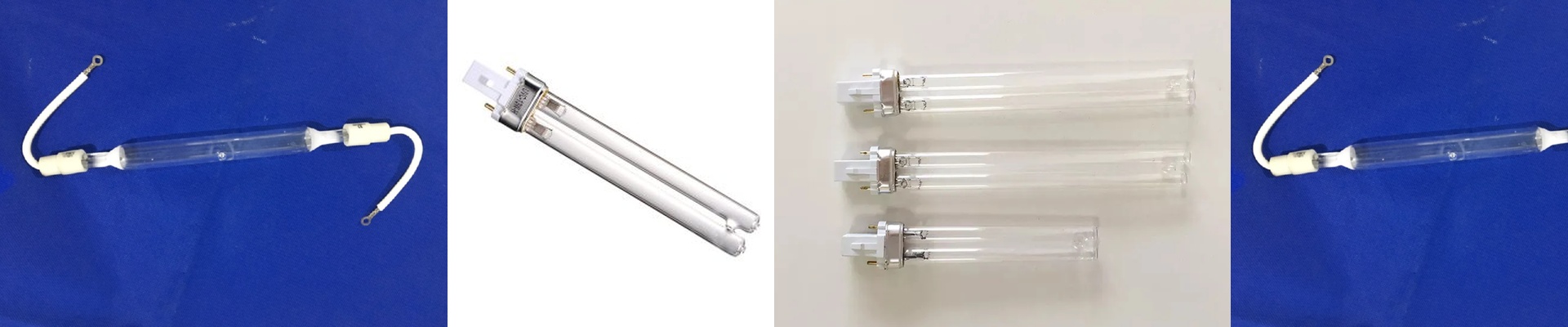
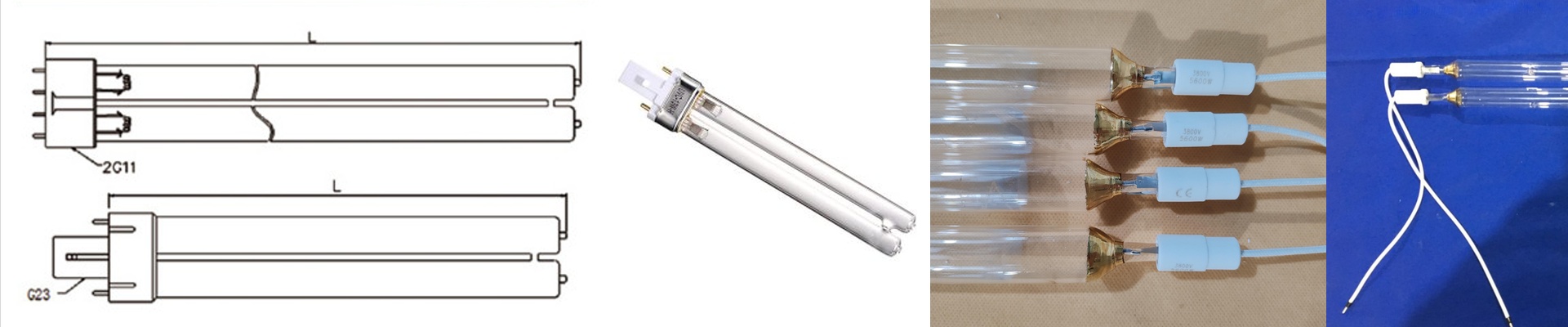
The Real Deal on High-Pressure Mercury Lamps in Textiles
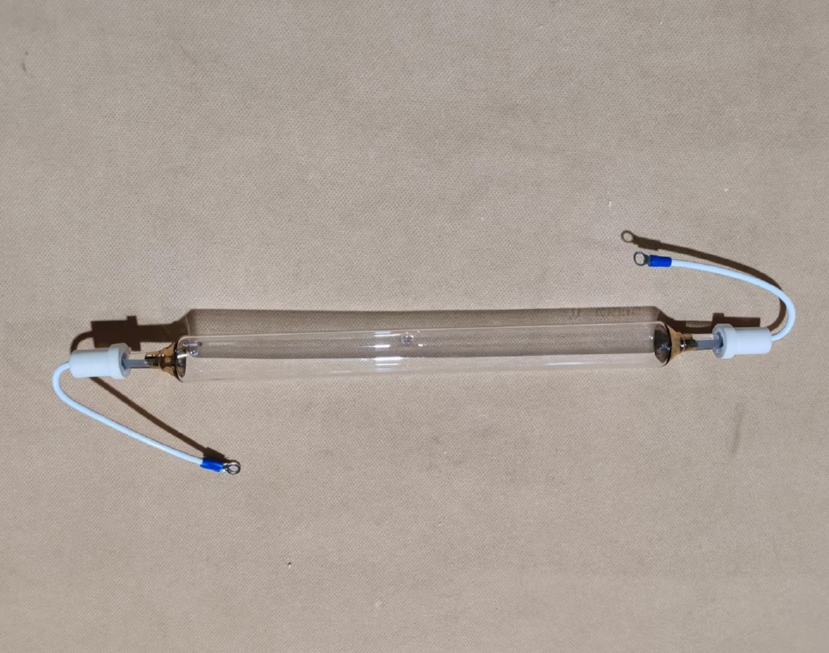
If you’ve ever wondered how a piece of raw fabric becomes a finished garment without the ink smudging or the waterproof coating peeling off, the secret is usually these high-pressure mercury lamps. They’re basically the invisible workhorses of the factory floor. Most of the time, we’re using them for photopolymerization. That’s a fancy way of saying we’re using UV light to snap liquid resins into solid films almost instantly. Why not just use LEDs? Here’s the thing: textile dyes and coatings are picky. They use all sorts of different photoinitiators, and a single-wavelength LED just doesn’t have the range to trigger all of them. These mercury lamps pump out a broad spectrum of UV—specifically in those UVC and UVB bands. It creates this intense, dense plasma that can punch through thick layers of ink, even on fabrics that act like sponges. It’s raw power. The heat struggle Now, it’s not all smooth sailing. These lamps gethot. Like, really hot. You have to be careful with your ballast control, or the arc will start wandering. But the bigger headache is the thermal load. If your lamp is too close to the fabric, you’re going to warp your synthetics. Nobody wants a scorched batch of polyester. You’ve got to find that sweet spot. Balance your conveyor speed and your cooling fans so the fabric stays cool, but the UV dose is still strong enough to get a full cure. It’s a bit of a balancing act. Where they actually fit in We usually drop these systems into three spots on the line: First, there’sprinting. You want that ink cured the second it hits the fabric so nothing smudges. Then comescoating, where we lock in things like flame retardants or waterproofing. Finally, there’sfinishing, where the ozone helps clear out those lingering chemical smells. One last tip If you’re running a high-speed line, do yourself a favor and check your reflectors. Worn-out aluminum reflectors can kill your output by 20% or more. When that happens, you’re forced to slow down the whole line just to get the same result. It’s a productivity killer. Just replace the lamps before they completely burn out. It beats having the whole line grind to a halt during a rush.