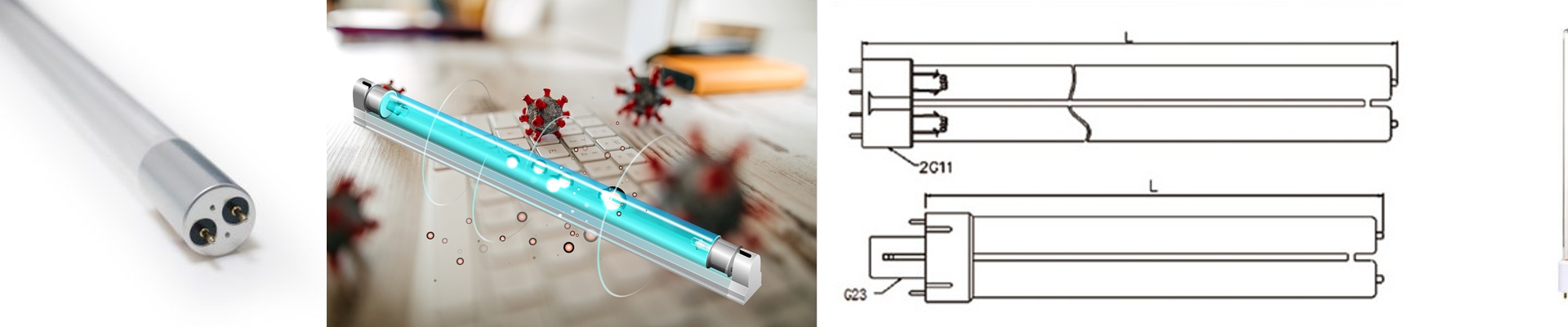
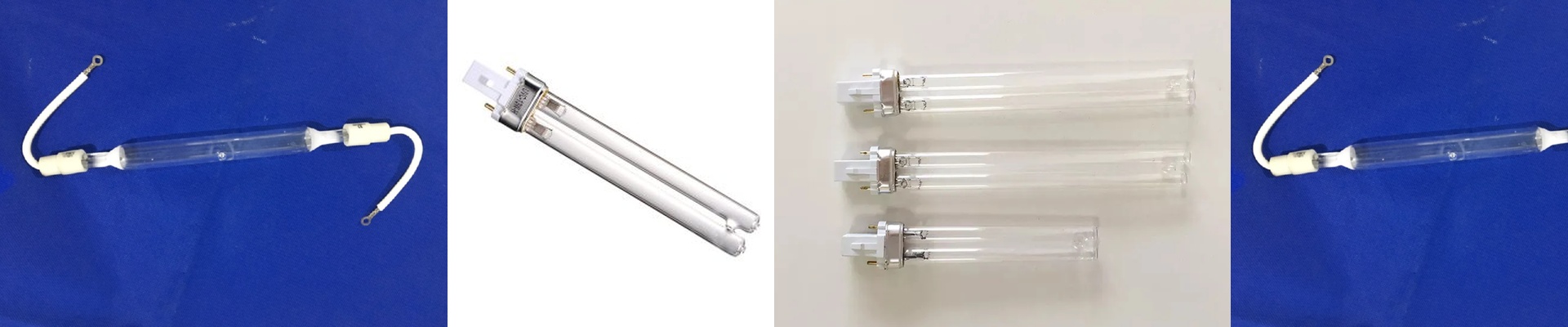
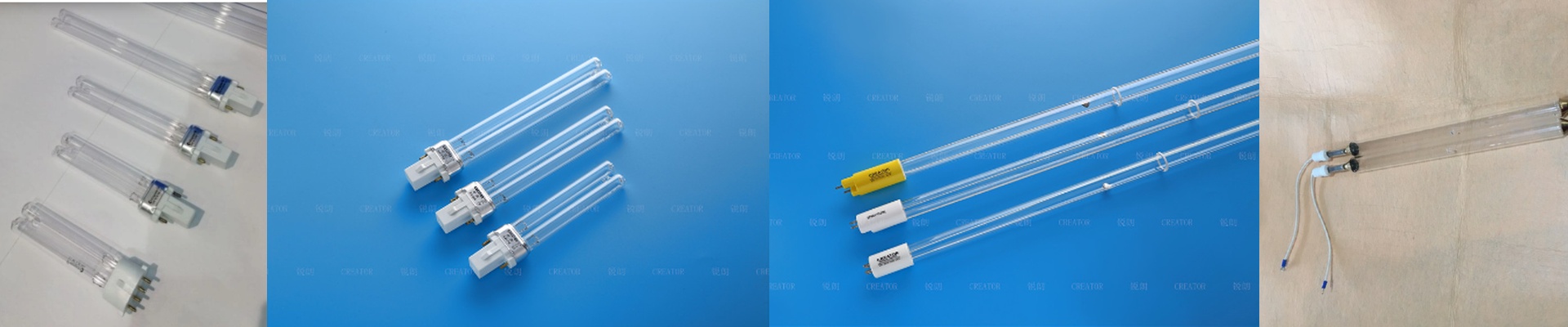
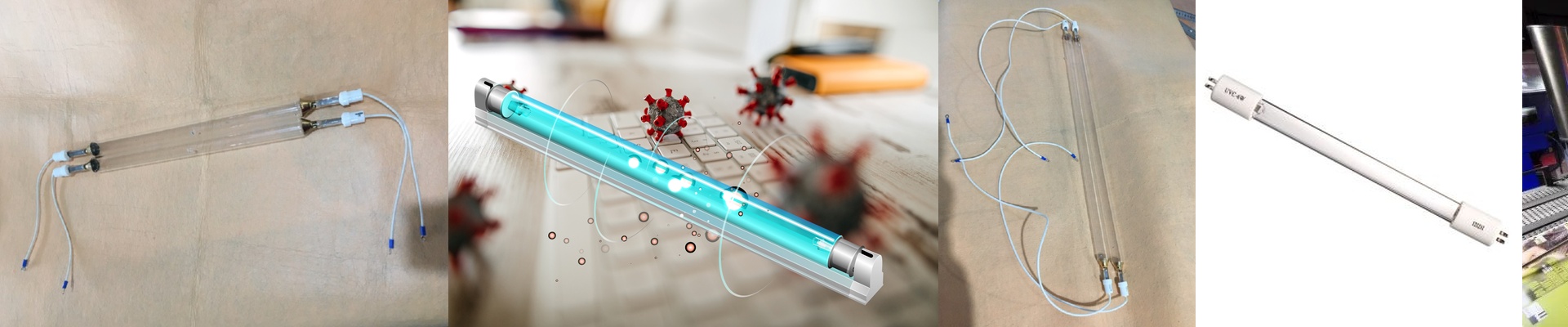
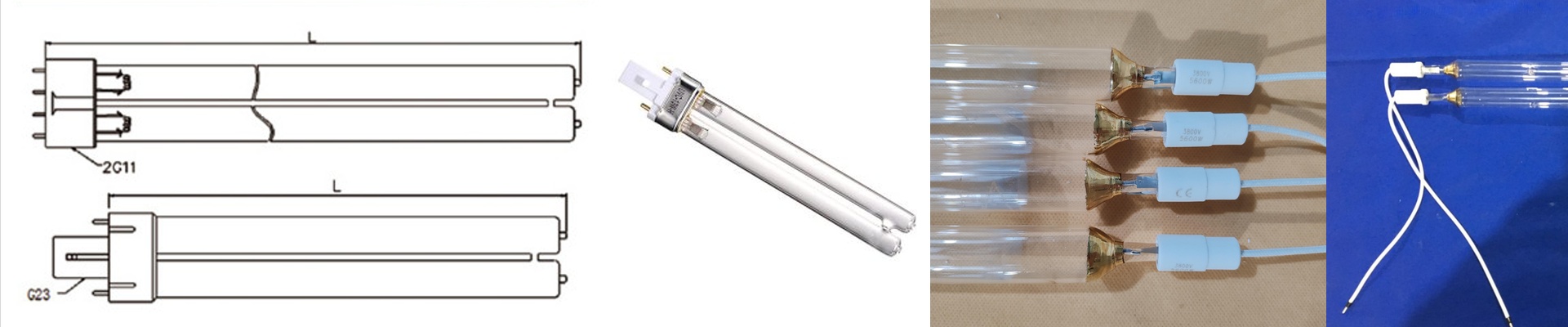
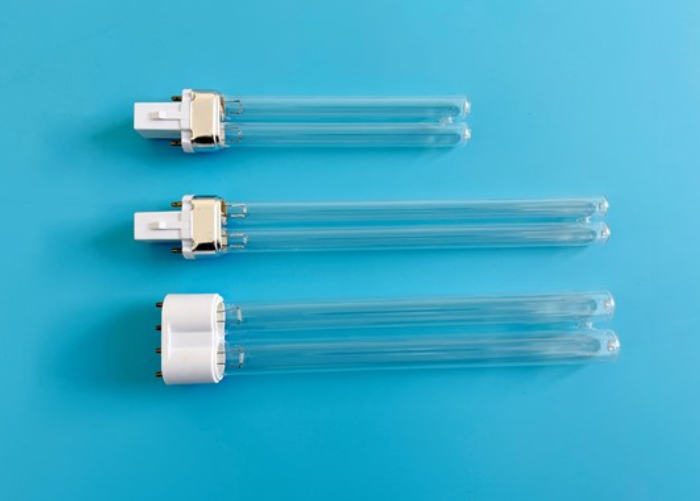
On the floor, a sterilization line doesn’t have room for guesses. If the UVC dose falls short, pathogens stick around, and product safety goes sideways. Claims without measurement are just noise. When you’re disinfecting with UVC, the only thing that matters is verified irradiance. What matters, technically Our high-pressure mercury UV lamp—5kW—is built around a stable 254nm spectral output, tuned for direct photon absorption by microbial DNA. The 5kW rating isn’t a marketing number; it’s about delivering the peak irradiance needed to hit target dose at line speed, even as reflectors age and distances drift. Start to start, output stays repeatable, and the lamp geometry sits cleanly with quartz sleeves and reflector assemblies. You get consistent intensity at the target plane, not just at the lamp envelope. Why this works in practice You can’t validate sterilization with stories. With this lamp, intensity monitoring becomes practical: stable output means your radiometer readings translate into predictable kill rates. Keep the spectral line steady and the lamp-to-target spacing under control, and dose stops being a hope—it becomes a measurable process parameter. Fewer excursions, fewer rejects, and an audit trail you can back up with irradiance data. A few shop-floor reminders A 5kW mercury UVC lamp runs hot. It needs forced airflow and proper thermal clearances. Cram it into an undersized housing and you’ll shorten lamp life and watch output drift. Pair it with a calibrated radiometer, log intensity at the work plane, and replace the lamp based on run hours and measured decay—not some calendar date.