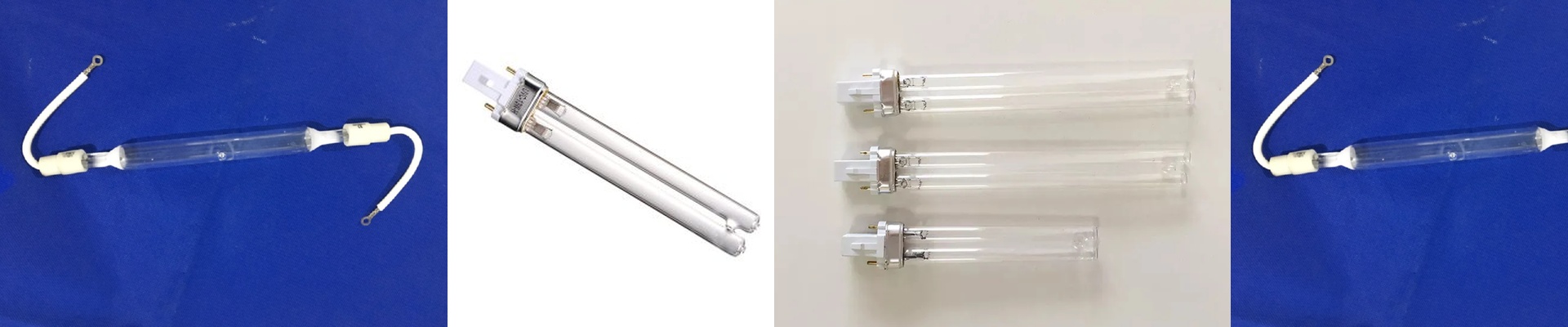
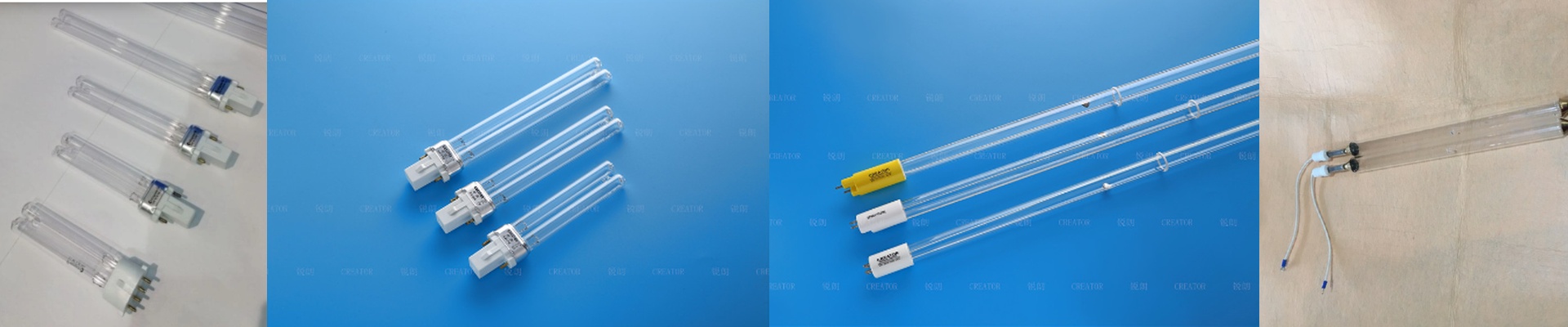
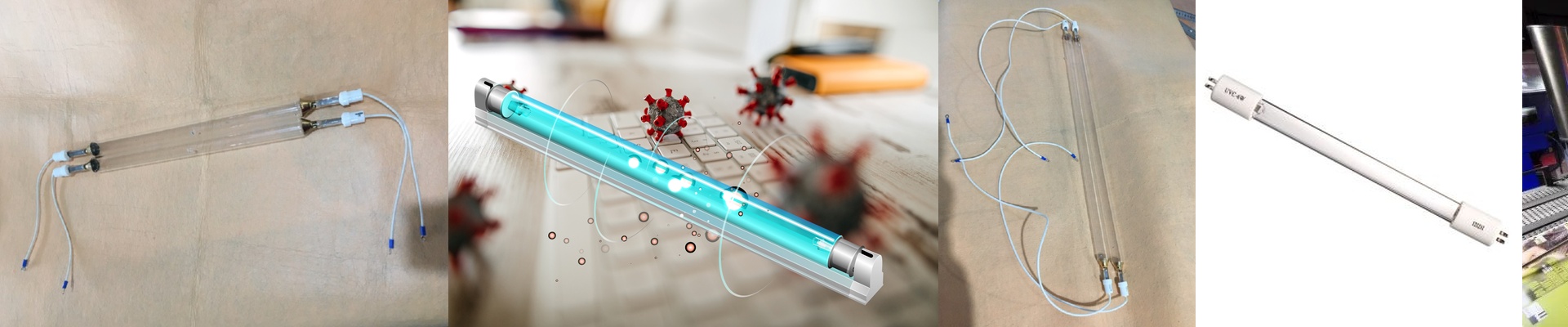
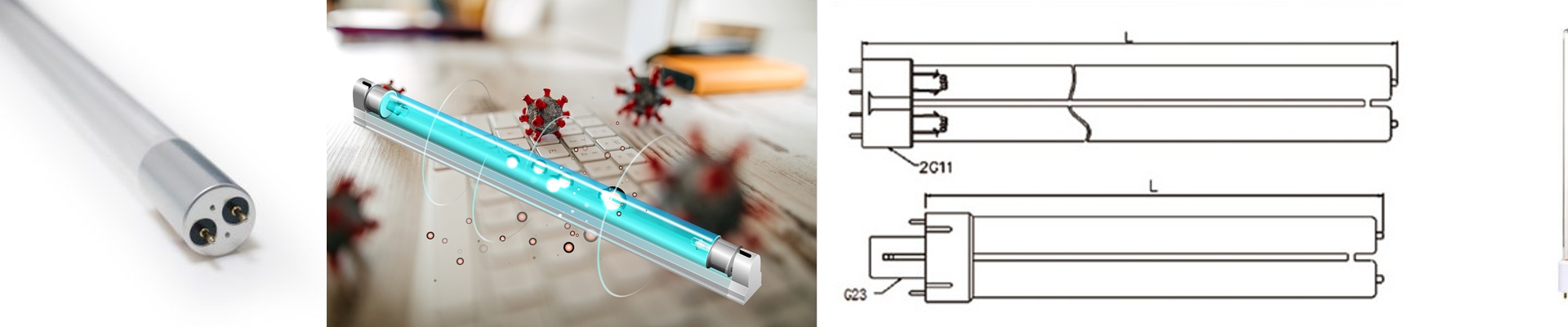
Getting the Most Out of Our 120W/cm Mercury UV Module
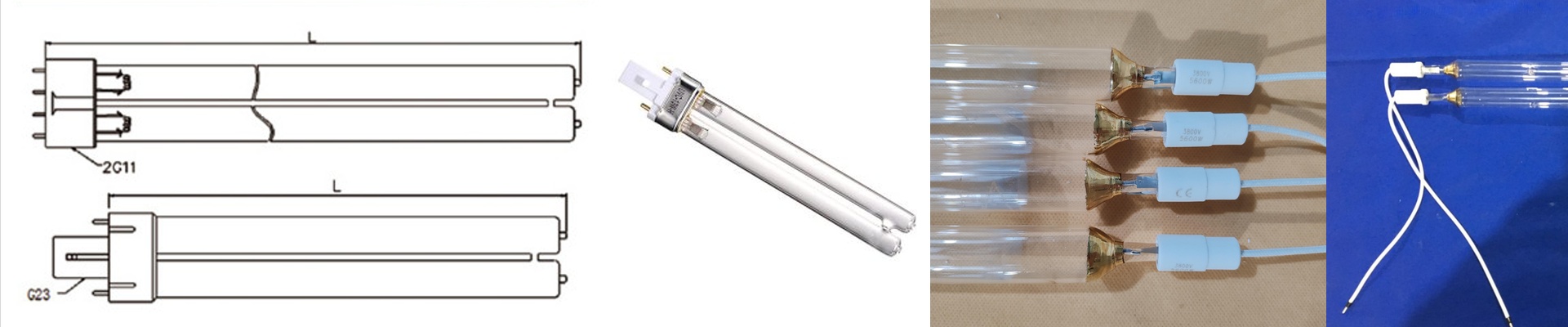
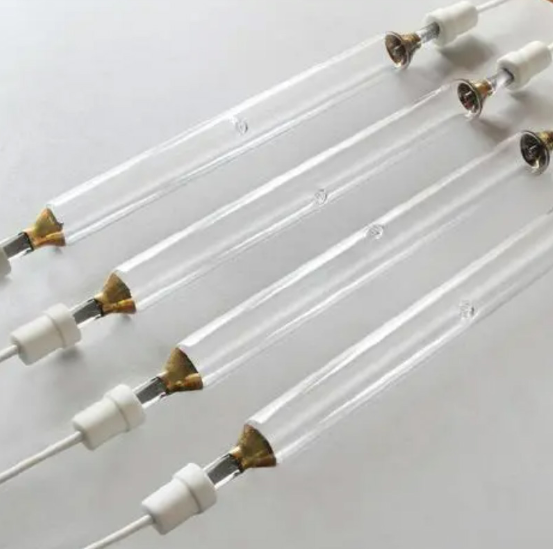
When we sat down to build our standard mercury UV lamps, we had one goal: hit 120W per centimeter. Now, if you aren’t deep in the weeds of printing, that might sound like a random number. But for anyone running a high-speed press, it’s the difference between a perfect job and a total mess. You need that kind of punch to snap thick ink layers into place instantly. No waiting around. No guessing. The reality of the power Packing that much energy into such a small space is a bit of a balancing act. We’re talking about intense UVC and UVB radiation that rips through the chemical bonds in your photoinitiators. Here is the problem: when your press is flying at top speed, you have a tiny window of time to cure the ink. If the power dips even a little, you get that dreaded “tackiness.” Or worse, the ink starts migrating. We built these modules to stay rock-steady so you don’t have to worry about those defects ruining a run. Dealing with the heat Let’s be honest—mercury-vapor systems get hot. Like, really hot. The moment that arc strikes, you’re dealing with massive amounts of heat right alongside the UV light. You can’t just let these run “dry.” If you do, you’re looking at cracked quartz envelopes or electrodes that burn out way too soon. That’s why we use forced-air or water-cooling jackets. Just a heads-up: if your cooling setup isn’t up to the task of handling 120W/cm, the lamp will overheat and your UV output will start to drift. It’s just physics. Making it work on the shop floor We didn’t want these to be a pain to install. We designed them as simple drop-in replacements. We spent a lot of time obsessing over the electrode alignment and the connectors so you can just wire them up and get back to work without fighting the chassis. Of course, mercury lamps wear out. It happens to all of them. Instead of leaving you to guess, we track the decay curve. This means you’ll know exactly when to swap the tube. It beats the alternative—watching your cure rate drop while your scrap pile grows. That’s actually why people were buzzing about these at the 2026 expo. We stopped worrying about just “raw power” and focused on making something that actually survives the chaos of a real shop floor.