Stop Thinking of UV Lamps as Just “Dryers”
Most people look at a UV lamp and see a tool for curing ink. We see it differently. To us, it’s all about precision energy. When you’re running a modern assembly line, you aren’t just “drying” something. You’re triggering a chemical reaction. If you don’t hit the right spot with the right amount of light at exactly the right micro-second, the whole batch is junk.
Getting the Spectrum Right
We don’t do “off-the-shelf” bulbs for high-spec lines. That’s a recipe for failure. Instead, we look at the photoinitiator in your resin first. If you’re working with a deep-cure composite, we shift the wavelength to penetrate deeper. Need a bit of surface tackiness? We tighten the output. Then there’s the heat. This is where things get tricky. Sure, you can just crank up the wattage to move parts faster, but then you risk scorching your materials. We spend a lot of time balancing lamp length and voltage so you get the power you need without melting your product. And for heaven’s sake, check your cooling fans. If your airflow is sluggish, your lamps will burn out way faster than they should.
The Nitty-Gritty Hardware
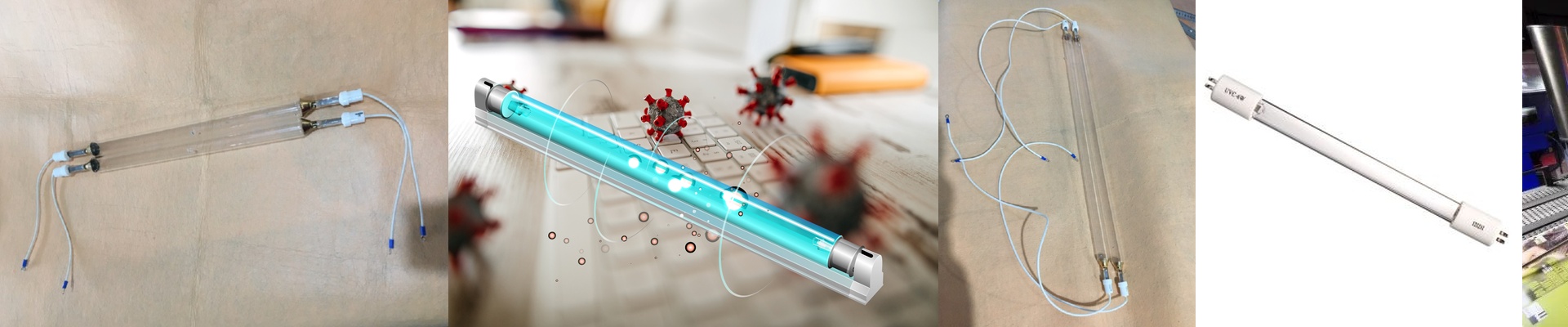
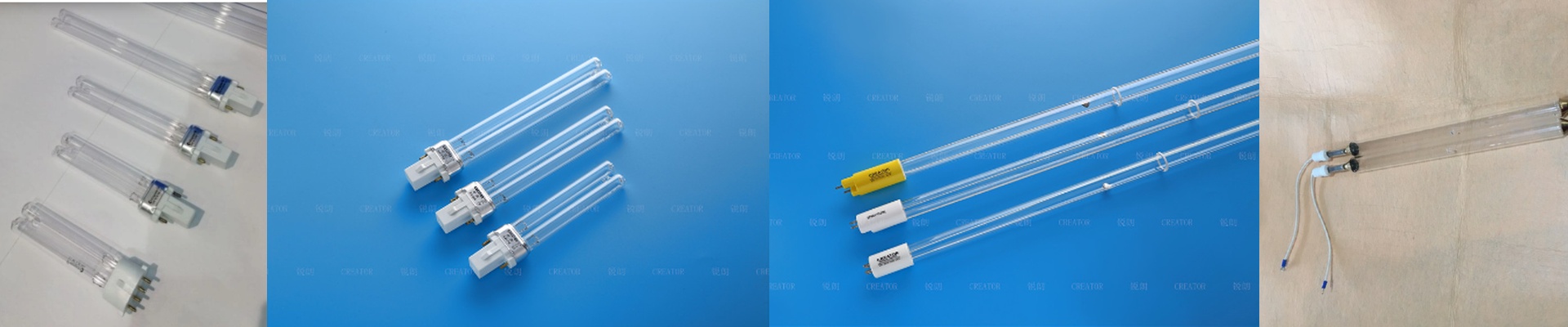
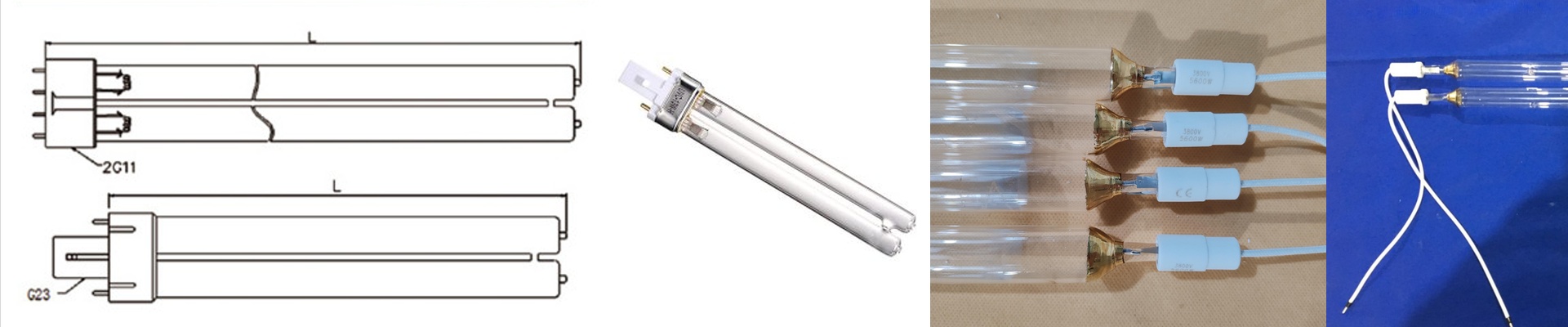
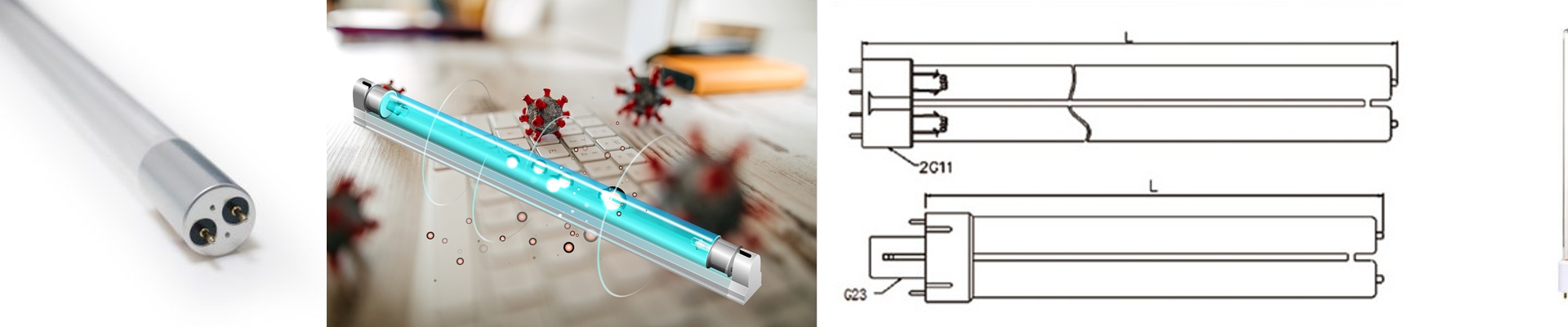
The physical build matters just as much as the light. We use high-purity fused quartz because standard glass actually absorbs some of the UV energy—which is just wasted power. For the connectors, we keep it simple and industrial. Whether it’s R7s or SK15, we match the socket to your current rating so nothing fries. But here’s the real trick: stop using simple on/off switches. We hook these lamps up to PLC-controlled ballasts. This means if your line slows down, the light dims. If it speeds up, the power kicks in. It just works.
Killing the Bottleneck
Nobody likes a bottleneck. It kills your mood and your margins. We fix this by obsessing over the reflector geometry and focal length. We concentrate the energy exactly where the part sits. It cuts cycle times and stops you from wasting energy on empty air. There is a catch, though. The tighter the focus, the faster the cure—but your window for error disappears. If the part is even slightly off-center, it won’t cure. That’s why you need a rock-solid jig to hold everything in place. Get that right, and everything else just clicks.