Making UV Lamps That Actually Last (and Don’t Trash the Planet)
We’re changing how we build our UV lamps. The goal is simple: zero pollution. Now, I know “green” can sound like a marketing buzzword, but for the engineers in the room, this is practical. It’s about spending less time swapping out dead bulbs and keeping toxic junk off your shop floor.
The stuff we put inside
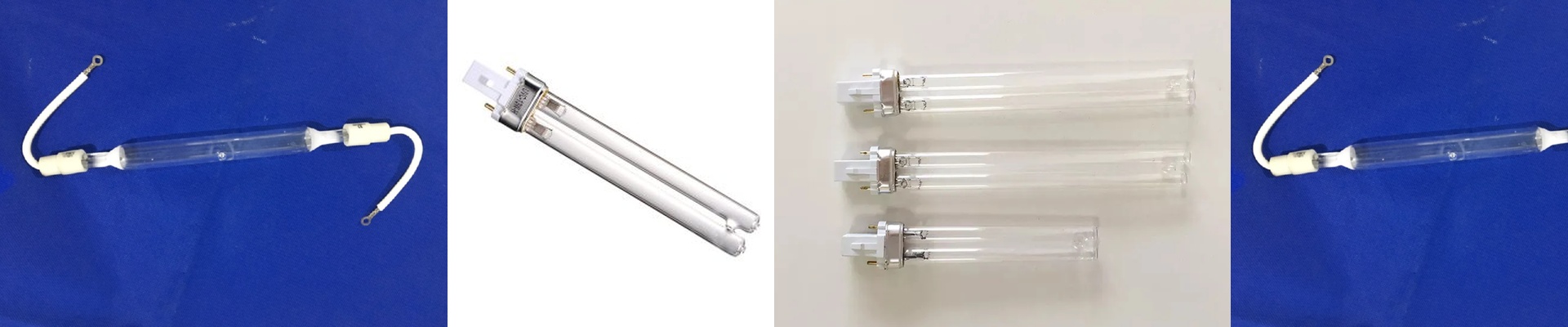
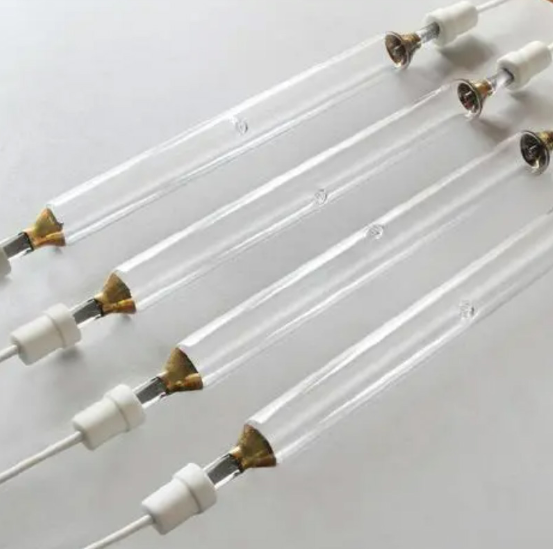
Old-school UV lamps are a nightmare to get rid of because of the materials they use. We’ve ditched that. Instead, we’re using high-purity synthetic quartz and electrode alloys that won’t leak pollutants. We also spent a lot of time tweaking the gas fill and the shape of the electrodes. Why? Because it keeps the lamp running longer. The longer it lasts, the less glass ends up in a landfill. It’s a win-win.
The balancing act
Here’s the thing about longevity: you can’t have everything. If you crank up the wattage to get a massive blast of UV output, you’re basically cooking the electrode. It evaporates faster, and the lamp dies sooner. We’ve found a sweet spot. We balance the peak intensity with a steady decay curve, so you get consistent UV-C output without the lamp just giving up on you.
Getting them to work
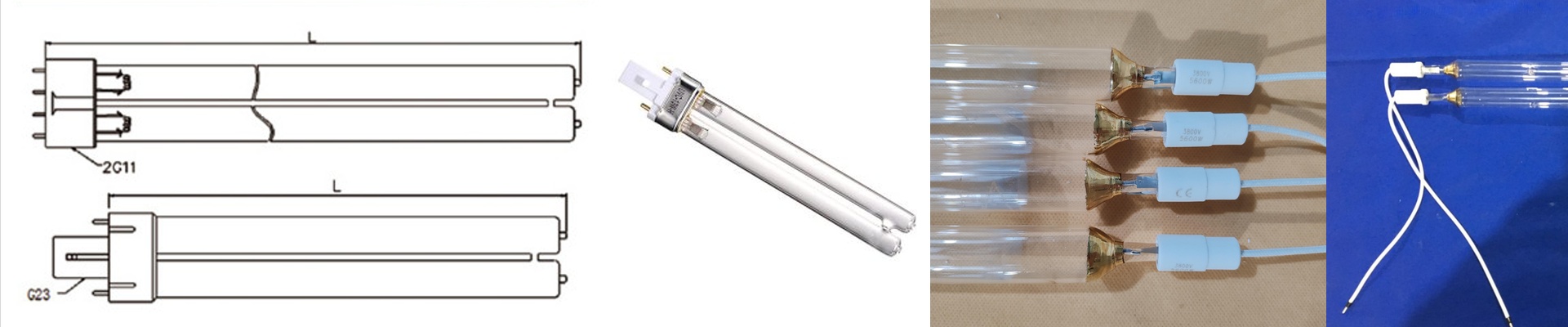
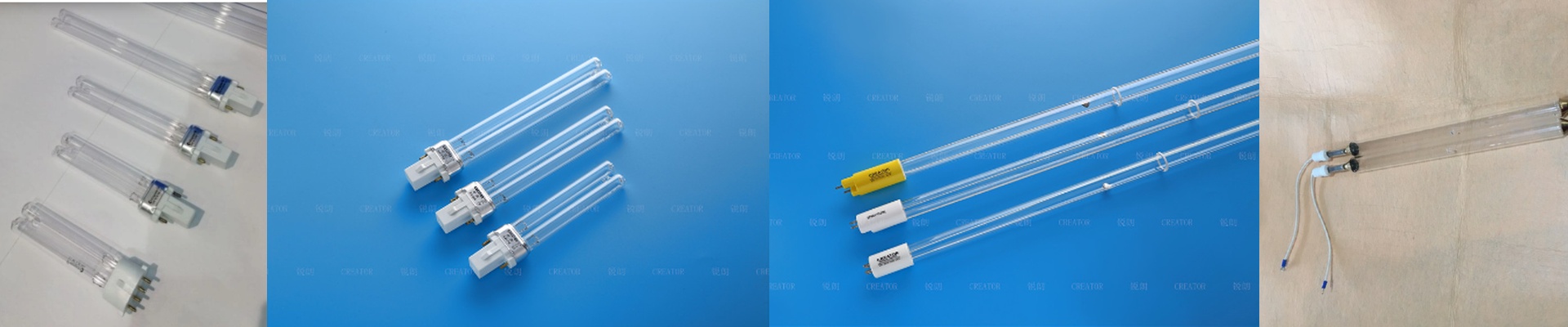
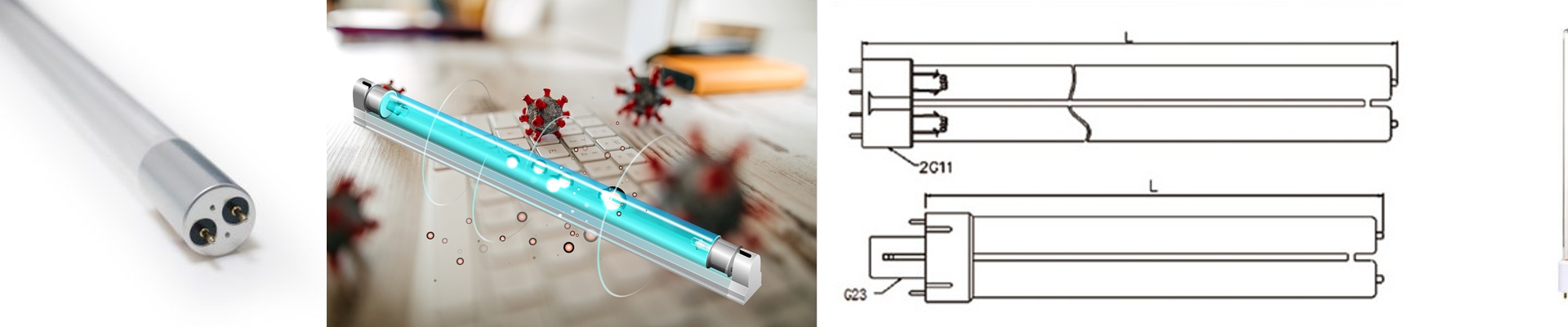
You can just pop these into your existing systems. We made sure the footprint and connectors are spot-on, so you don’t have to worry about arcing at the base. But a quick heads-up: your ballast is everything. You could have the best materials in the world, but if your power supply is jumping all over the place, it’ll kill the lamp. Period. Keep your voltage steady, and you’ll actually hit those rated hours. We build these for the people who are tired of buying the cheapest option only to replace it twice a year. It’s about playing the long game.