Getting Gallium Iodide UV Lamps Right: The Real-World Guide
If you’re working with high-end photolithography or specialized curing, you know that standard mercury vapor tubes just don’t cut it. You need a very specific kind of light. That’s where Gallium Iodide (GaI) lamps come in. We build these for the jobs where the exact spectral output is the only thing that actually matters.
The nitty-gritty of GaI output
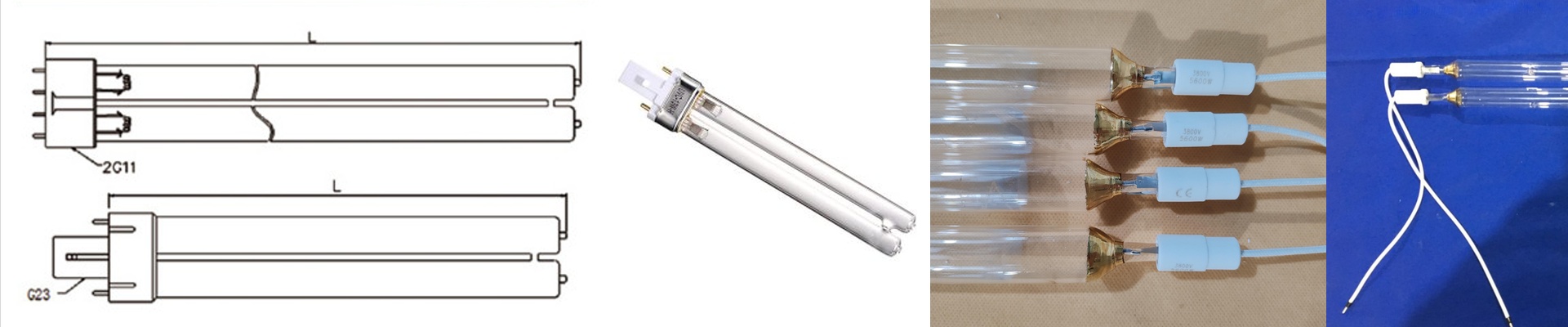
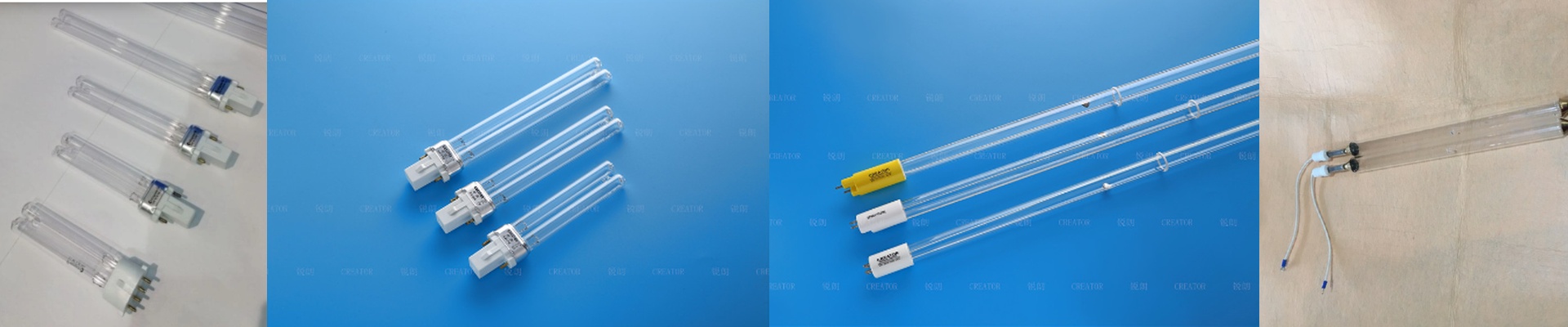
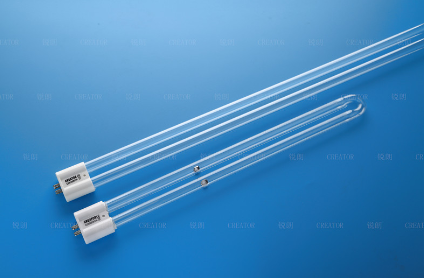
Here’s the thing about GaI: it lets us hit those precise UV peaks that other lamps miss. But they aren’t “plug and play” in the simplest sense. These tubes are finicky. We have to get the gas mixtures and electrode materials exactly right, otherwise, they’ll burn out way too fast. We also tune the wattage and length to fit your specific reactor. One word of caution:**watch your heat.**If you crank up the power density without a solid quartz sleeve, you’re looking at thermal shock. It’s a balancing act. You have to make sure your cooling system can keep up, or the lamp is just going to overheat and die.
Why we don’t skip the CE certification
I know, paperwork is boring. But in the UV world, a CE mark is more than just a sticker. It’s proof that the lamp and the ballast won’t cause a headache down the line. High-voltage UV systems are noisy—electrically speaking. If the shielding and circuitry aren’t up to code, that noise can bleed into your PLC or mess with the sensitive sensors on your line. For anyone running a shop in the EU or North America, using a non-certified lamp is a huge risk. It’s a liability. Most professional facilities won’t even let you wire them up because they’ll fail a safety audit immediately.
Making it actually work in your line
When you’re dropping a custom GaI lamp into your setup, it all comes down to the electrical load. We spec these for specific voltage drops to keep the arc stable. If your power grid is jumpy, your lamp life is going to tank. That’s why that CE certification is so handy. It proves the hardware can handle the usual industrial power cycles without giving up the ghost. It’s the baseline you need if you want a replacement that actually fits into a global production line without causing a meltdown.