Why we obsess over 0.5% spectral energy
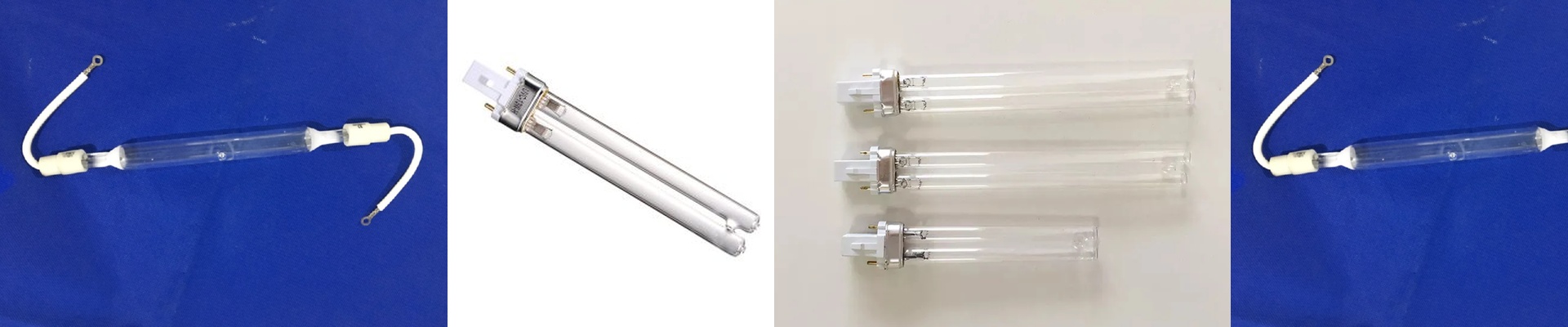
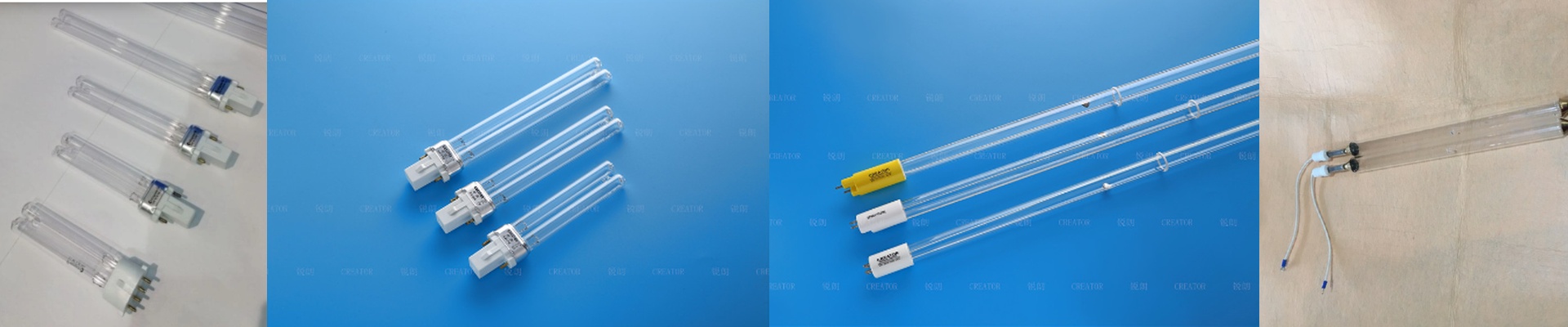
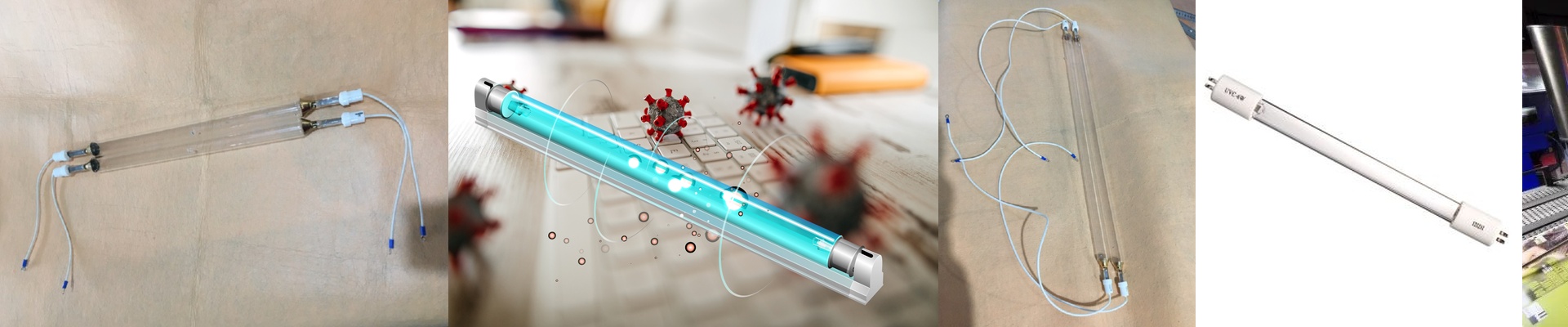
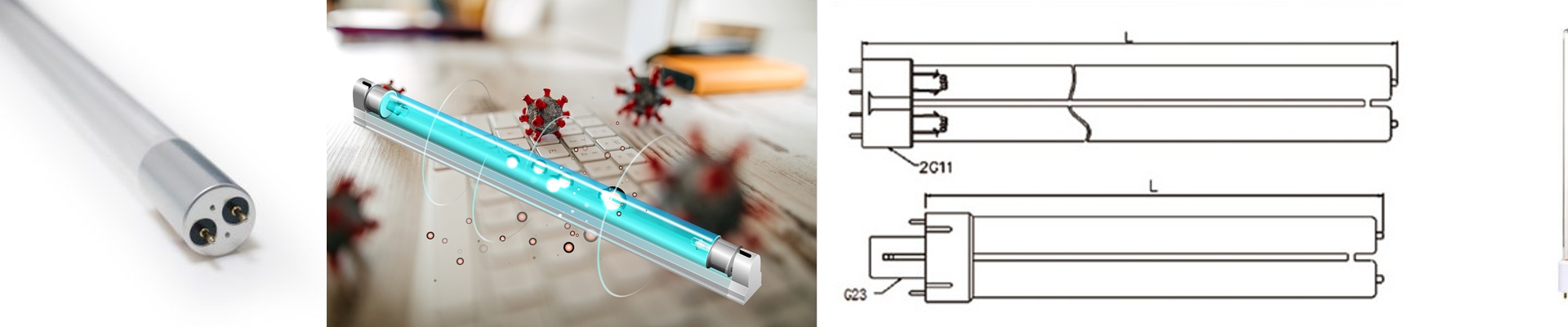
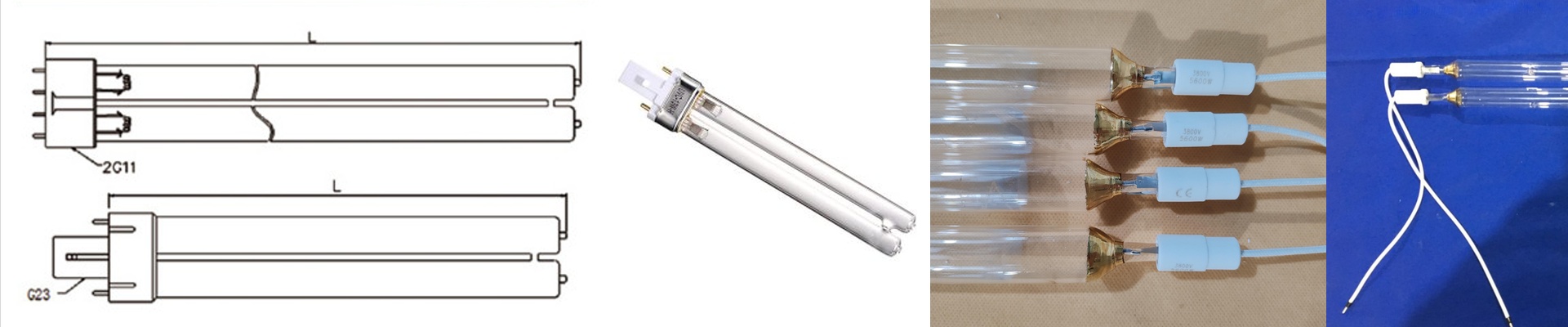
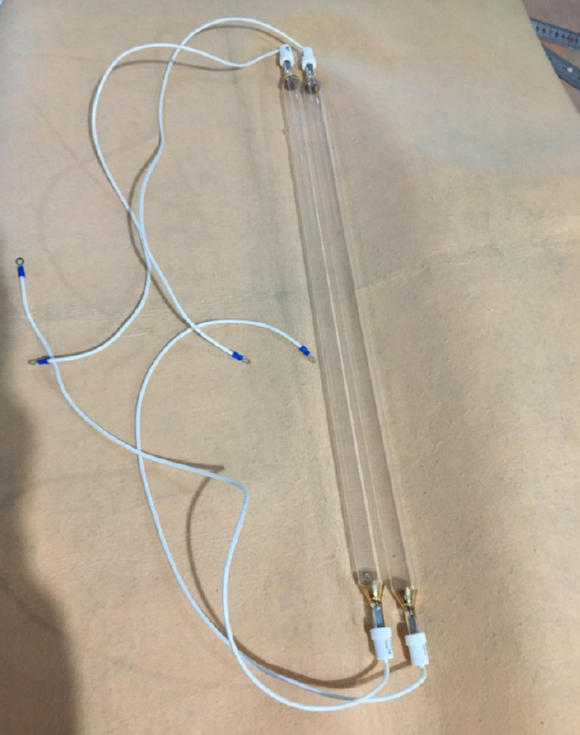
Most UV lamp companies are fine with “standard” output. They hit a general target and call it a day. We aren’t like that. Our team spent a long time chasing one specific goal: getting the spectral energy variance down to 0.5%. Now, that might sound like a tiny number. But if you’re working with high-precision adhesives or thin-film coatings, a 2% swing is a nightmare. It’s the difference between a perfect cure and a scorched surface. Getting the output right Hitting that 0.5% mark isn’t easy. It comes down to the grit of the build. First, the quartz. We use high-purity synthetic quartz because standard glass is too “hungry”—it absorbs the shortwave UV before the light even leaves the tube. Then there’s the plasma arc. We calibrate the electrode spacing down to the millimeter. Why? Because if that arc wanders even a little, your energy distribution shifts. And once that happens, your concentration is gone. The heat trade-off Here’s the catch: when you tighten the beam and crank up the intensity, things get hot. Really hot. You can’t just toss these lamps into a cheap, off-the-shelf fixture. You’ll end up with cracked quartz from the thermal stress. You need a cooling system—whether it’s forced air or water-cooled jackets—that can actually keep up with the heat density. Where this actually matters We build these for the jobs where “close enough” just doesn’t cut it. Think about semiconductor lithography or medical-grade polymers. In those worlds, an inconsistent UV dose means the part fails. Period. By narrowing that spectral window, we’ve managed to cut down cure times and stop that annoying “over-bake” effect on the edges of the substrate. It makes the whole process predictable. And we don’t just trust the math. We test every single batch with a spectroradiometer to verify the curve before it ever leaves our door.