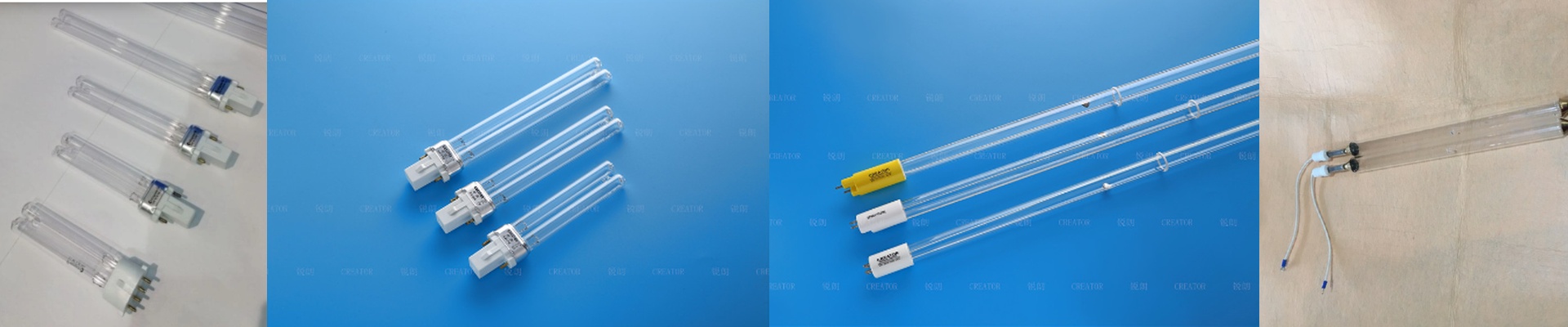
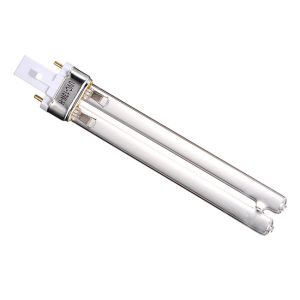
Getting UV Lamps Right in Textile Printing
We build our UV lamps to do two things at once: kill the germs and cure those UV-sensitive inks so they actually stick to the fabric. But here’s the tricky part. You need a steady stream of UVC light to get the ink to bond, but if you overdo it, you’ll end up scorching your material. The balancing act: Power vs. Speed Most of these lamps run at 254nm. We keep that bandwidth tight because if it drifts, you might start triggering weird chemical reactions in your fabric dyes. You also have to watch your wattage. If you push too much power per inch, you’ll literally burn the fibers. It’s all about the dance between your light intensity and how fast your conveyor is moving. Speed up the line? You can crank the power. Slow it down? You’ve got to dial it back or you’ll ruin the cloth. The gear you actually need The glass in these tubes has to be high-purity quartz. Anything less and the UV light just doesn’t get through. We also use reinforced end-caps because a gas leak is the last thing you want on your shop floor. One thing people often forget: UVC light turns oxygen into ozone. It smells like a thunderstorm, but it’s nasty stuff. You need a ventilation system that actually works to pull that ozone out. If your fans are too small, that gas will just sit there and eat away at your machine’s metal frames. It’s a slow process, but it’s destructive. Staying safe (and keeping your eyes) Look, you can’t just leave these lamps out in the open. It’s dangerous. We use shielded housings with hard-wired safety switches. The second a technician opens that chamber, the power has to kill instantly. No delays. Skin burns and permanent eye damage happen in a heartbeat. And just a heads-up: these aren’t “plug and play.” You have to match your ballast output perfectly to the lamp’s voltage. If you get it wrong, you’ll fry the electrodes or kill the tube way too early. It’s a trade-off. Higher intensity means you can cure your ink faster, but it puts a lot more stress on the quartz glass. You just have to find the sweet spot that works for your production.