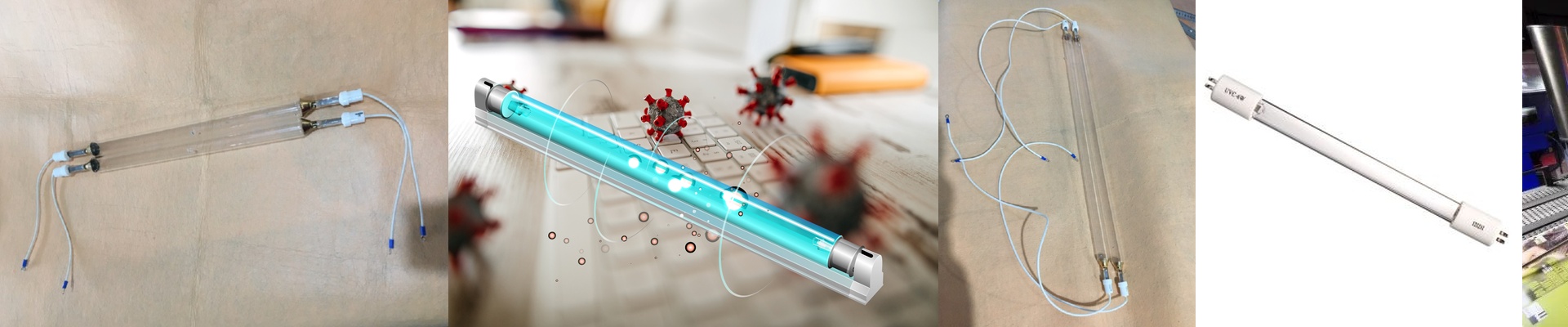
Getting Gallium Iodide Lamps Right on the Printing Line
We’ve spent time on the floor of about 3,000 different printing plants. We wanted to see where UV systems actually fall apart. Most designers pick lamps based on a spreadsheet of theoretical numbers. But a high-speed press isn’t a lab. In the real world, you’re fighting heat soak, constant vibration, and ink buildup. If you want a line that actually stays up, you have to stop chasing raw power and start focusing on the light spectrum.
Why Gallium Iodide Actually Matters
Standard mercury vapor tubes are fine for some things, but they have a blind spot. Gallium iodide shifts the light toward those longer UV wavelengths. Here’s the thing: if you’re running thick ink or heavy pigments, shortwave UV just bounces off the top. You end up with “surface curing.” The top looks dry, but the bottom is still a gooey mess. Gallium iodide actually punches through that layer. It gets deep.
Dealing with the Heat
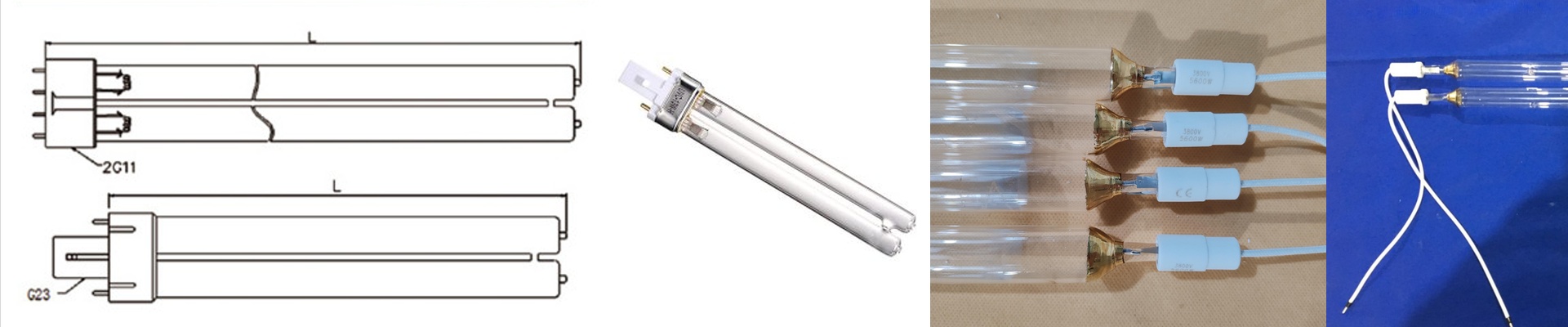
High-wattage UV tubes get hot. Really hot. I’ve walked into too many shops where lamps were burning out way too early. Why? Because the cooling blowers weren’t built for the actual heat density of a Gallium-doped tube. If you can’t move the air fast enough, that quartz envelope is going to warp. It’s that simple. We make these as drop-in replacements, so they fit right into your existing fixtures. But the fit has to be perfect. Even a single millimeter of play in the socket can cause arcing. And arcing is a fast track to a dead lamp.
The Honest Trade-off
Let’s be real—Gallium lamps don’t last as long as basic mercury ones. You’re trading a bit of lifespan for much better cure speed and quality. It’s a fair trade, but you have to manage it. My advice? Don’t replace all your lamps at once. Use a staggered schedule for your lamp banks. That way, you don’t hit a wall where half your tubes die on the same Tuesday, forcing you to crawl your line speed just to get the ink to dry.