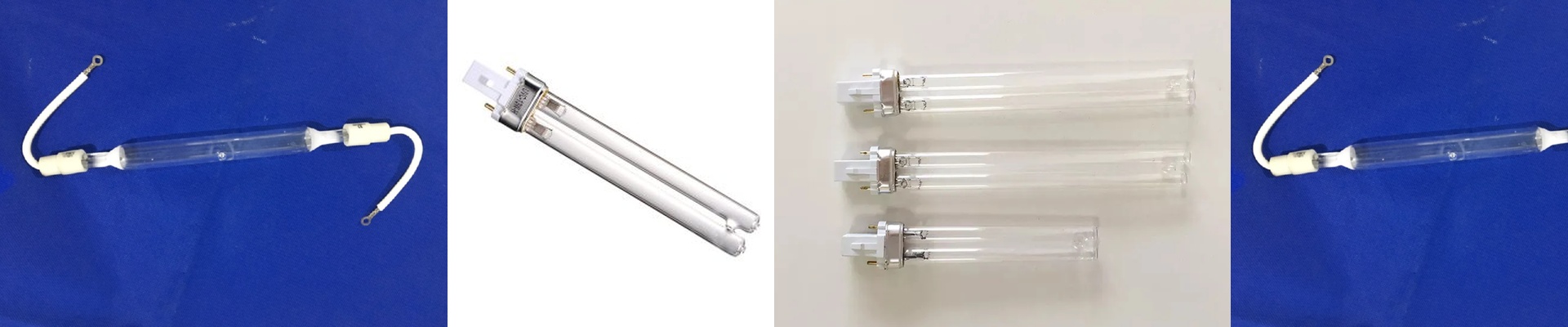
On a packaging line that ships worldwide, there’s no room for “good enough.” Under-cure the UV, and the lacquer stays tacky. Cartons scuff in transit, seals delaminate, and the customer sees the damage before the goods ever arrive. So choosing the lamp isn’t about lighting. It’s about controlling the process.
What actually matters, technically
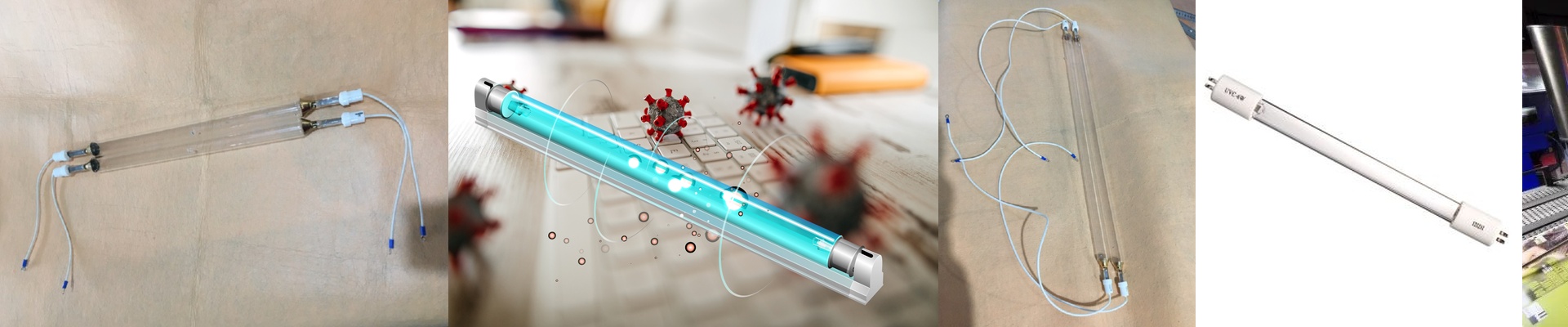
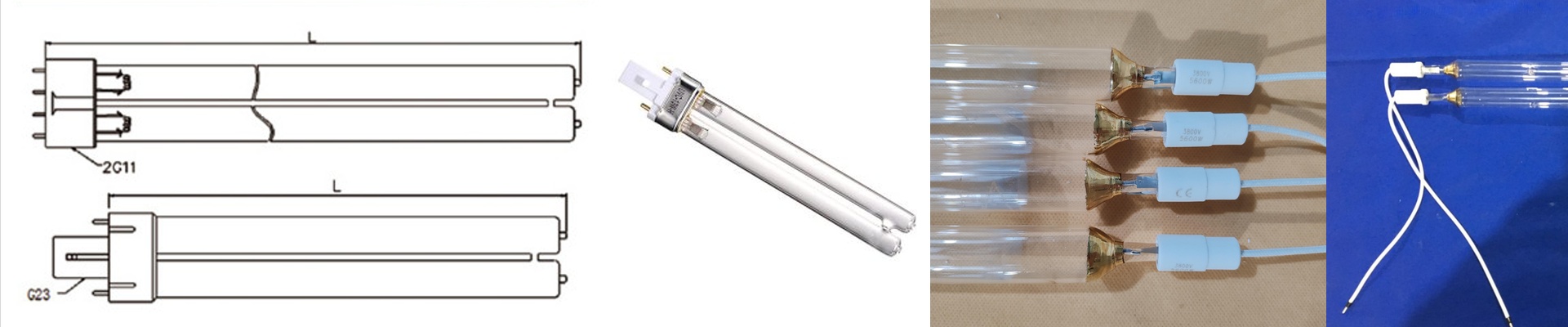
That “blue” look on a UV germicidal lamp isn’t just cosmetic. It’s the visible sign of short-wave UVC, peaking around 254nm. In industrial UV curing, though, we don’t lean on UVC. We live in UVA and UVB, where the photoinitiators do their work: 365nm for deep through-cure, 385nm for a solid surface cure with decent depth, and 405nm for thick, pigmented inks and coatings. High-pressure mercury vapor lamps give you a broad spectral envelope that hits multiple photoinitiator windows at once. What turns that output into usable work at the substrate is reflector geometry and the dichroic coating. On the floor, the numbers that matter are peak irradiance (mW/cm²) at the web or sheet, the delivered energy density (mJ/cm²) across the dwell window, and output that holds steady over thousands of lamp-hours.
Why this approach holds up in real production
Cross-border logistics doesn’t forgive marginal adhesion. You need a cure profile that locks in gloss, abrasion resistance, and bond strength the instant the ink sees the lamp—so the package survives vibration, compression, and humidity without checking or cracking. In offset, a mercury spectrum rich in 365nm, paired with high peak irradiance, gives you the penetration needed for thick films and fast sheet speeds. In flexo and screen, a more balanced 385nm output tends to give a cleaner surface cure without overheating thin films. The payoff is consistent cross-linking at line speed, fewer rejects, and a curing window that tolerates normal variation between ink lots.
The details that bite you if you ignore them
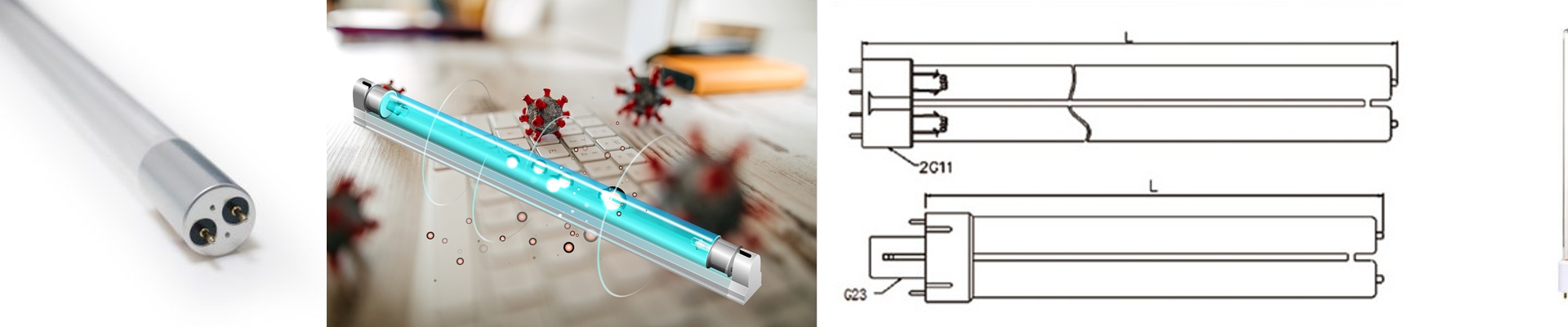
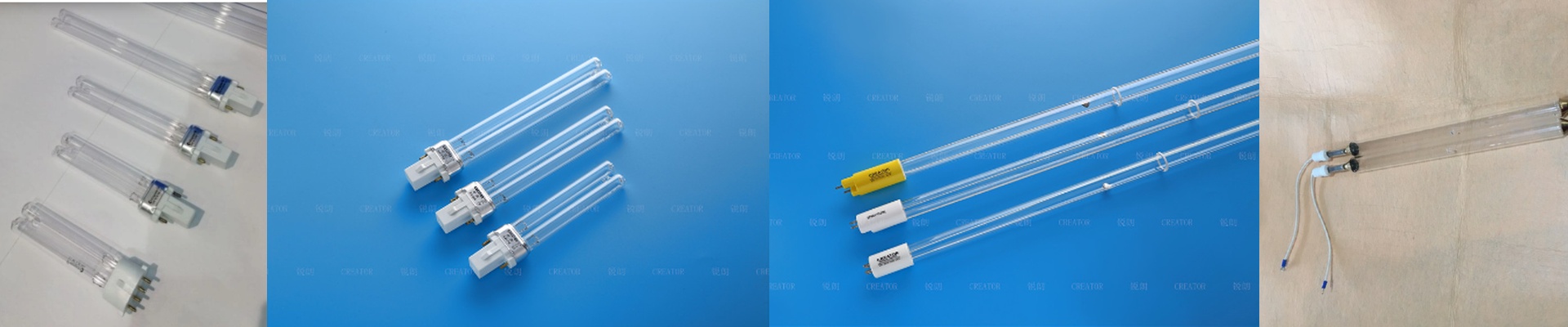
UV lamps aren’t plug-and-play across the board. Match the arc length, end-fit, and cooling setup to the press—offset, flexo, screen, or gravure—and confirm the reflector focal distance so the beam profile lands right where the ink sits. Expect output to drop as the lamp ages. Put intensity monitoring on the schedule with a radiometer, and plan replacements based on run hours plus the irradiance drift you’re seeing. And don’t skip ozone handling. Ozone-free configurations reduce the ventilation load, but the reflector and cooler have to be matched to the specific wavelength and power density. Otherwise you risk overheating and premature degradation of the coatings.