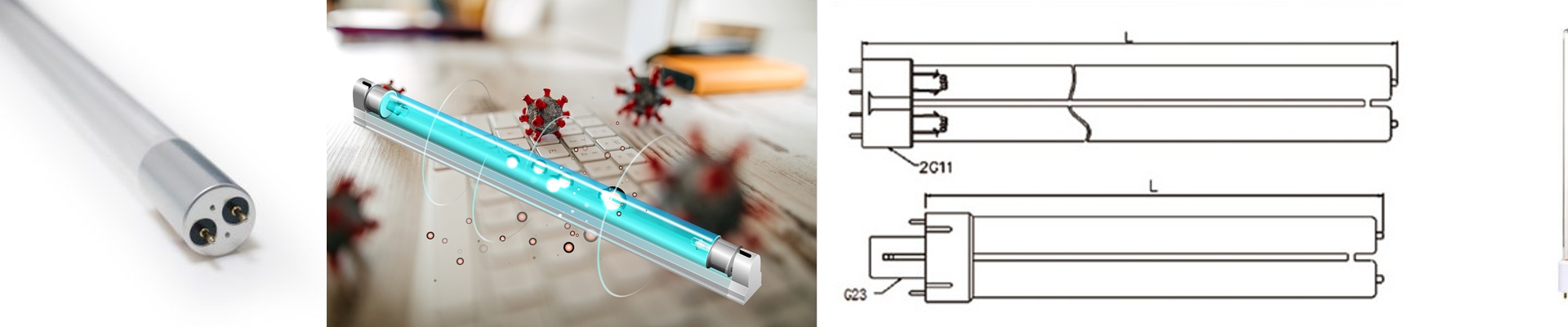
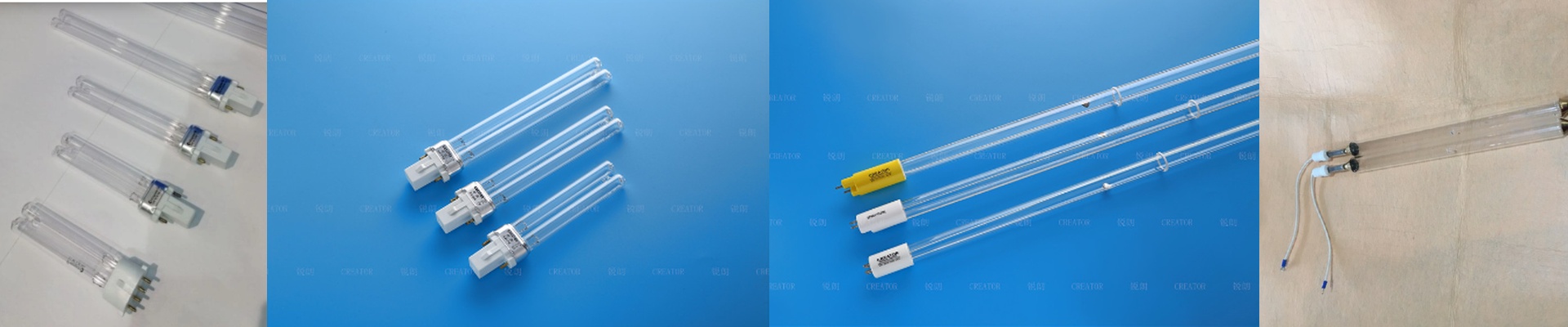
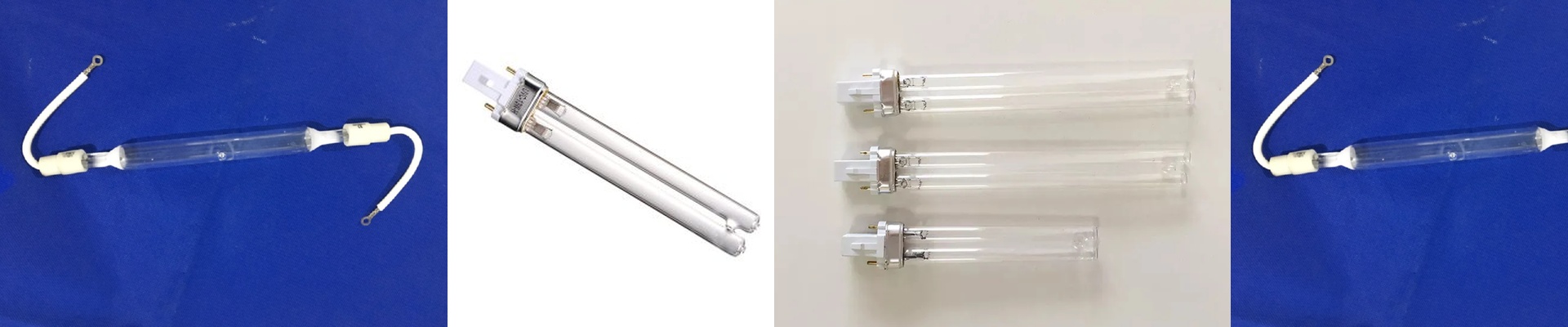
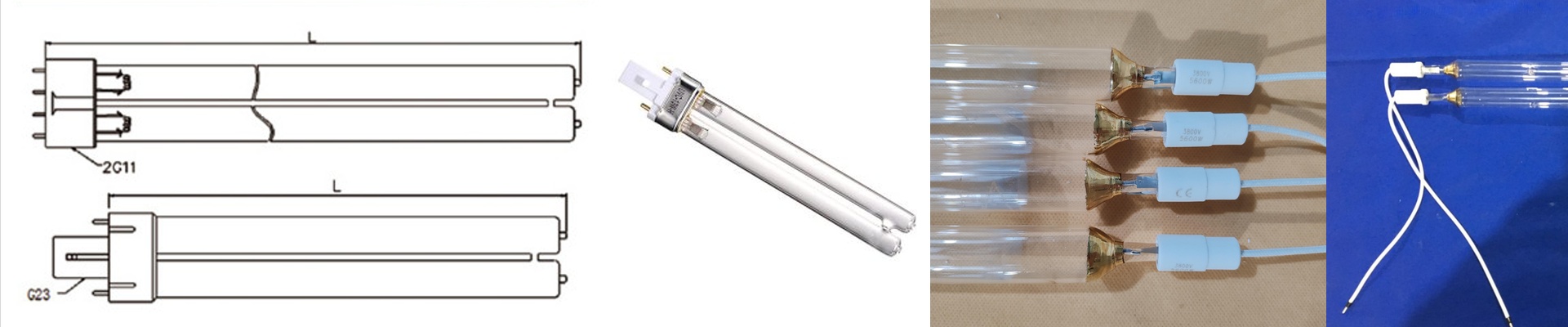
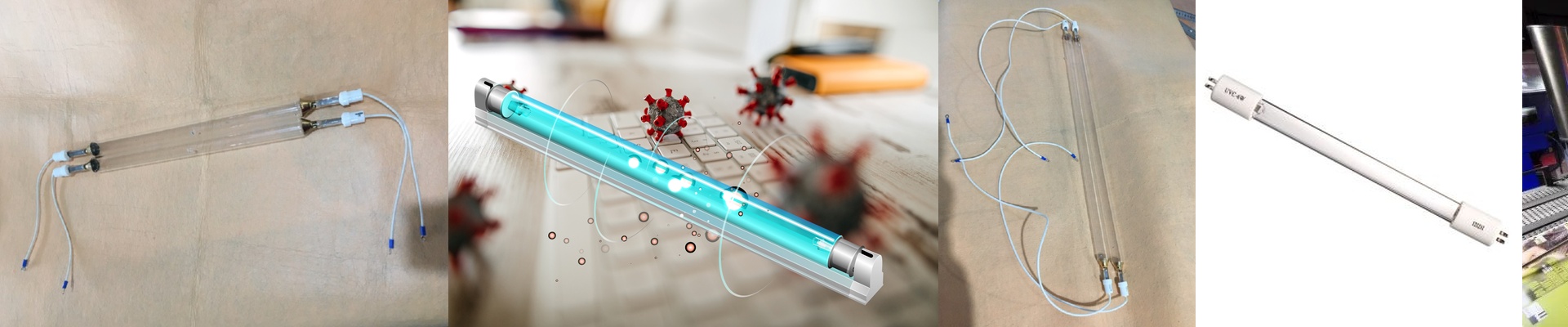
Out on the press floor, you know the drill. Thick-layer screen or flexo jobs fall apart when the UV can’t make it all the way through. You get a skin on top and uncured monomer sitting in the base. That means adhesion goes south, solvents get trapped, and you’re fighting downstream blocking. Full penetration isn’t a nice-to-have—it’s the only way to get proper cross-linking from the substrate clear up to the surface. What matters under the hood GE UV germicidal lamps put out a steady 254 nm with serious photon flux, built to push deep into thick photopolymer layers. The quartz envelope and the arc spacing are tuned to bump peak irradiance right at the substrate plane, and the reflector assembly focuses the energy density (mJ/cm²) where it needs to be. Output holds steady across the lamp life curve, with a controlled drop at end-of-life so your process window stays predictable. Here’s the thing with thick-layer printing: you need energy that penetrates, not just raw intensity that scorches the top. With this lamp, the photoinitiator response stays consistent through the full build, so you get cure-through without burning the surface. The payoff is faster cycle times, fewer reprints, and less scrap from under-cure defects. And you keep energy use in check because the system turns electrical input into usable UV output with minimal off-spectrum heat. A few shop-floor details to keep straight. Installation has to match the reflector geometry and cooling airflow of your curing station. Mismatched reflectors kill delivered irradiance and set up hot spots. Check spectral compatibility with your ink’s photoinitiators, and make sure lamp orientation and end-of-life monitoring are set up right. GE UV germicidal lamps are ozone-free in the standard configuration, but you still need proper housing ventilation to manage heat and hold a stable lamp temperature.