Introduction
Here’s the idea behind our UVC lamps: they’re not meant to be standalone units. We built them as building blocks, designed to live inside your everyday appliances. Think dishwashers, shoe cabinets—the works. The whole point is to put serious disinfection power right where you need it, without making a big, clunky gadget. Instead of worrying about external safety, we focused on making the technology reliable enough to be part of the machine itself.
The Nitty-Gritty: Making It Fit
Building a UVC module for a home appliance is all about precision. We have to get the size and power exactly right. That means matching the appliance’s voltage and making sure the lamp fits the space it has. The goal is simple: deliver a dose of UVC strong enough to wipe out germs in that tight little chamber, without overloading the power supply or overheating the whole thing.
The Design Details: What It’s Made Of
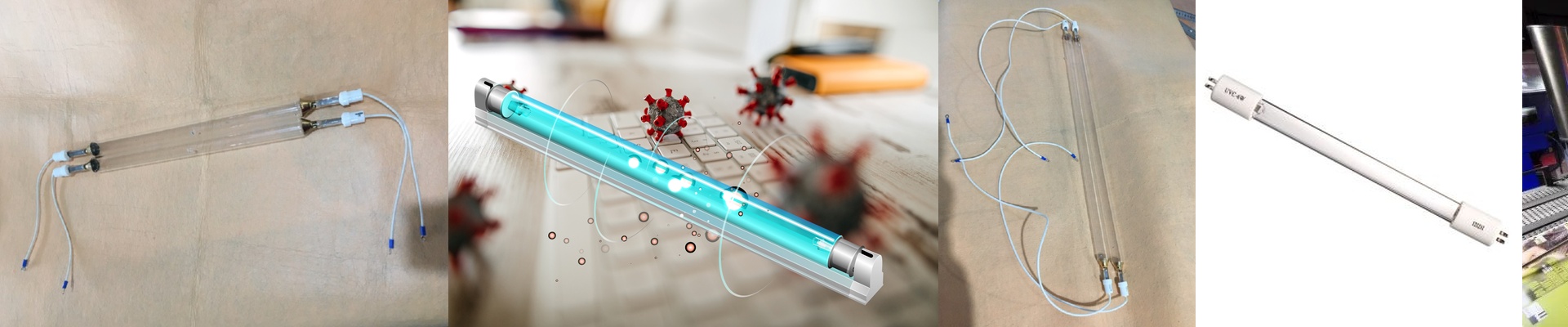
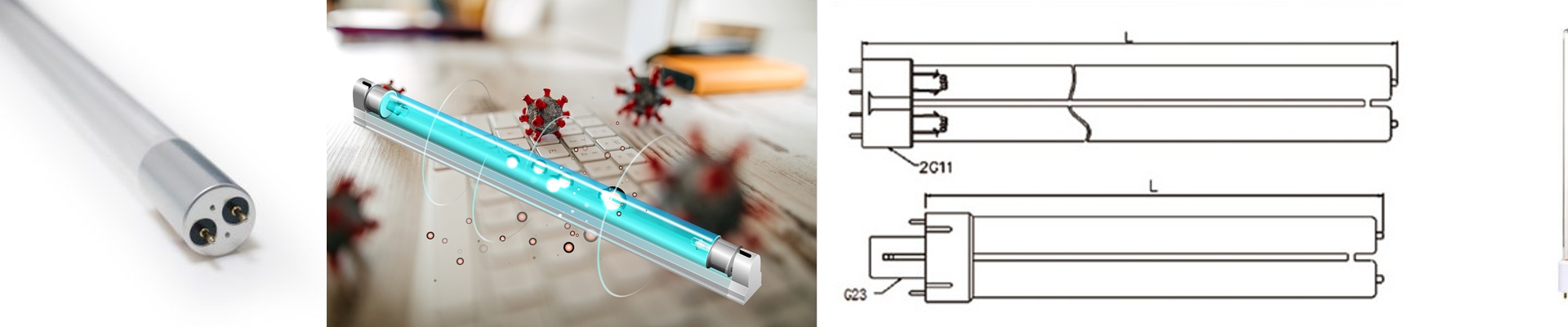
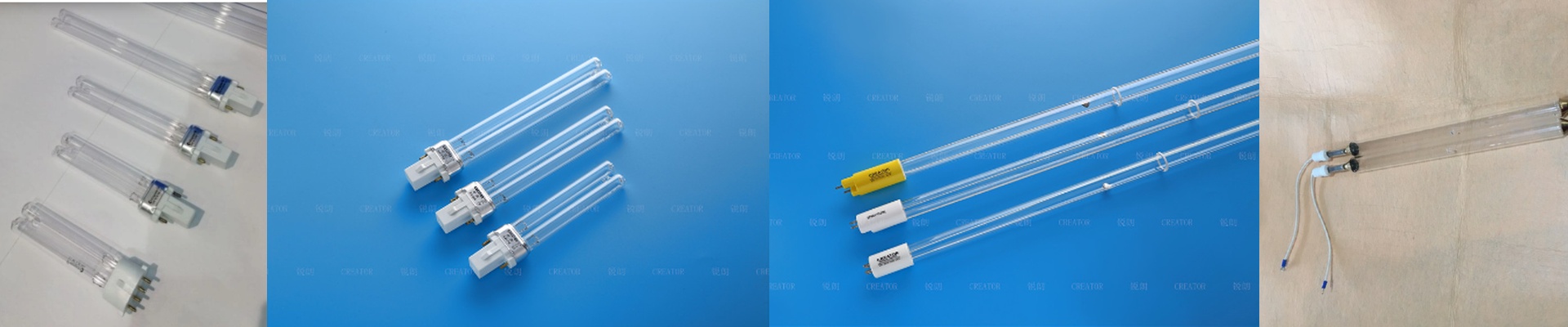
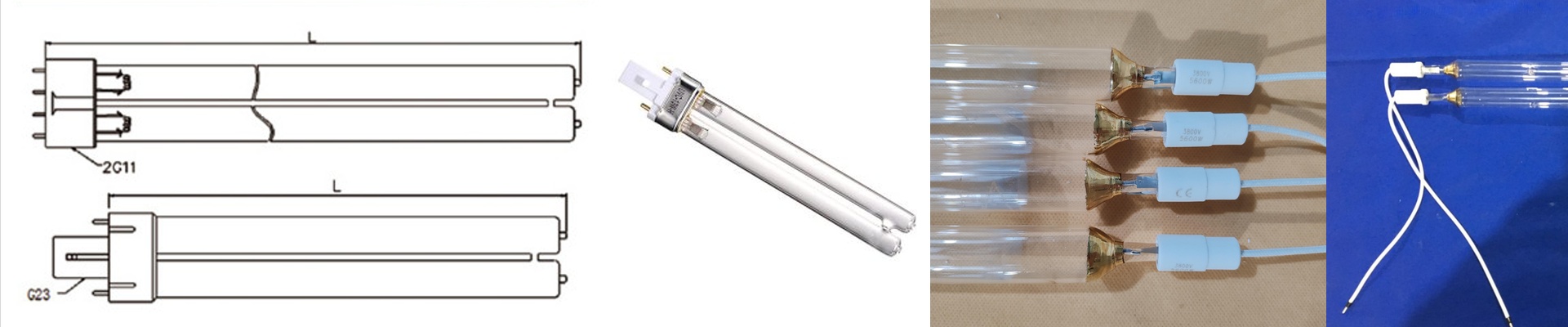
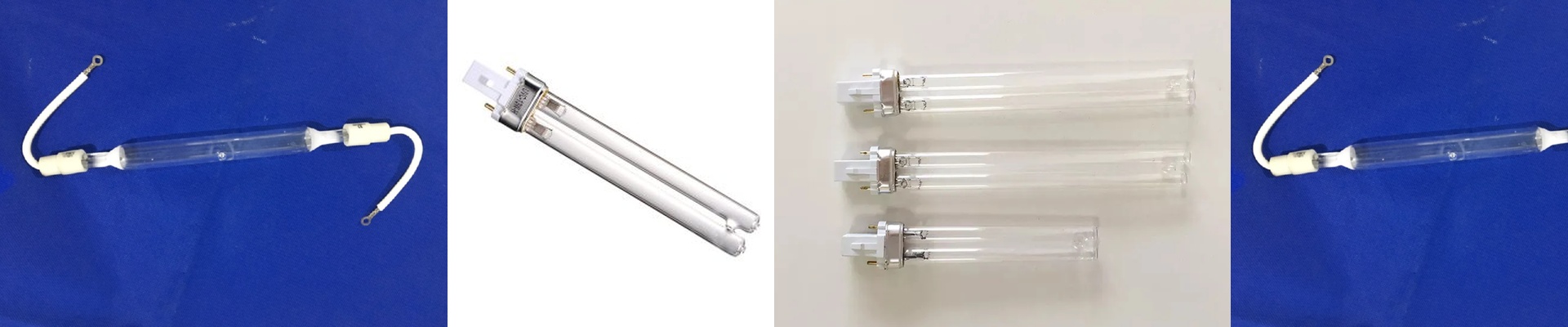
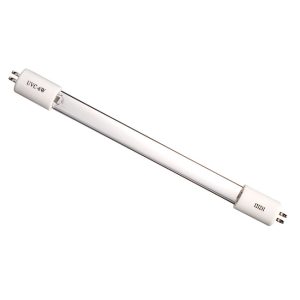
At the heart of the module is a short-wave UVC source, usually a low-pressure mercury vapor lamp. The tube itself is made from fused quartz, which is great at letting the UVC through. For the connections, we use something compact, like an R7s or a custom pin setup. This keeps the footprint small and makes sure the lamp stays put, even with vibration. It’s designed to just drop right in during assembly. But, and this is important, that much power in a small space creates a lot of heat. So, the design has to handle that heat, to protect the plastic and electronics around it.
Why It Works: It’s All About the Fit
The real magic is in the customization. We’re not selling you a one-size-fits-all lamp. We’re giving you a solution built specifically for your appliance. Take a shoe cabinet, for example. The module is sized and powered to clean a small, enclosed space quickly. For a dishwasher, it has to hold up against high-pressure water jets and scorching hot cycles. This approach gives your product a serious upgrade. You get a powerful, built-in disinfection feature. But it does mean you need to make sure the appliance’s housing and cooling are tough enough to handle the demands of the module.