Introduction
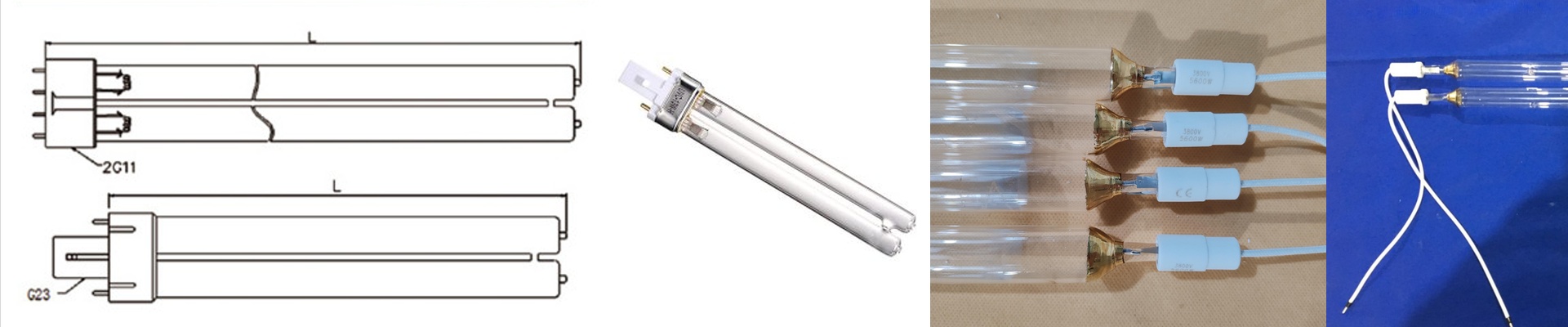
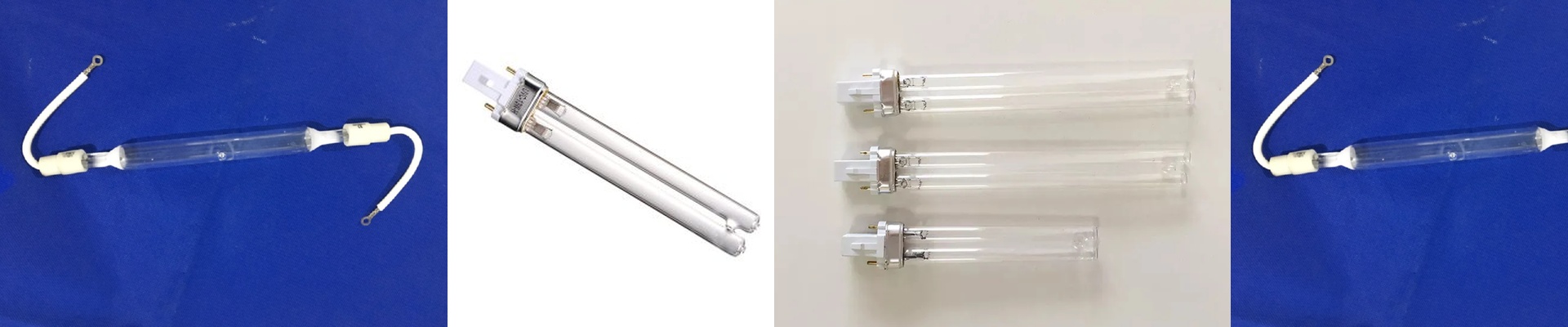
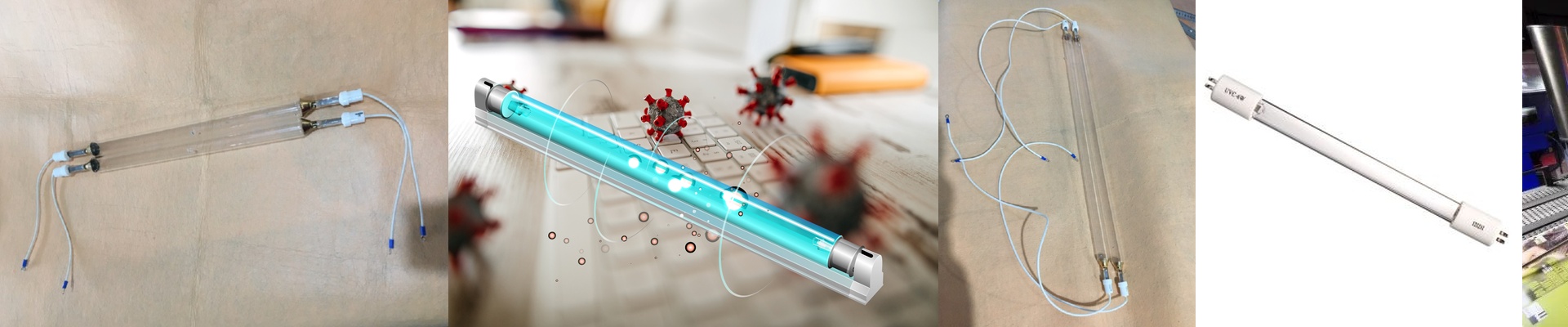
So, picture this: we’re at the 2026 printing expo, and our custom UV curing lamp module is the center of attention. Honestly, it wasn’t by accident. We built this thing from the ground up for the crazy precision needed in optical fiber manufacturing. We wanted a lamp that could keep up with the fast, spot-on curing that those standard, off-the-shelf options just can’t touch.
Power and Size: Why It Matters
Here’s the thing about the specs: it runs on 400V and packs 2500W of power into a 300mm tube. That’s not just for show. It’s about getting the right kind of heat density exactly where you need it. You get a blast of high-intensity UV in a small package, which is perfect for those tight spots on a fiber line. The 400V input keeps the arc steady and the lamp temperature consistent, even when it’s running all day long. That 300mm length? Totally intentional. It focuses the energy right on the target, so you’re not wasting radiation and putting extra strain on your other optics. But, and this is important, that power comes with a price. The 2500W rating means you need serious cooling. If your machine’s airflow is just okay, the lamp head will run hot, and the output will dip.
The Nitty-Gritty: What It’s Made Of
We went with a halogen-filled quartz tube. Why? Because it keeps the light spectrum stable and responds to temperature changes almost instantly. The inside is coated to let shortwave UV through, which is the secret sauce for quickly curing those fiber coatings. And the R7s connector? That’s the real workhorse. It snaps in place without needing any tools and handles all that high current without getting hot at the contacts. The whole design is tough enough to be a drop-in replacement that just keeps going, even on a busy production floor.
What It Feels Like to Use
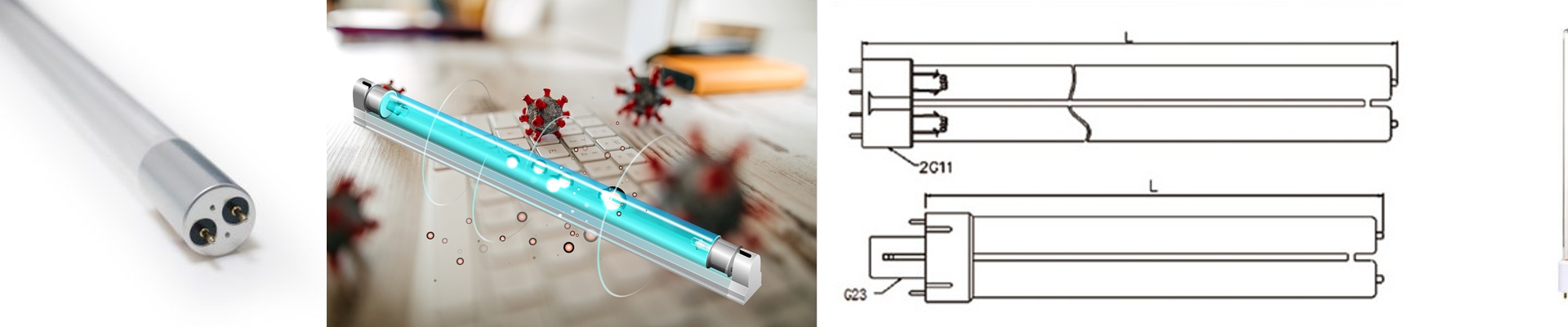
When you’re working with optical fiber, you need a cure that’s fast, clean, and reliable. This lamp nails it by focusing controlled shortwave energy right where you need it. The payoff is simple: you get consistent curing speeds without frying the parts next door. For the engineers out there, that means fewer headaches and line stoppages. Your process becomes predictable, and when you need to swap out the module, it takes just minutes. That mix of raw power, precise light control, and the simple R7s connection—that’s exactly why this unit turned so many heads at the show.