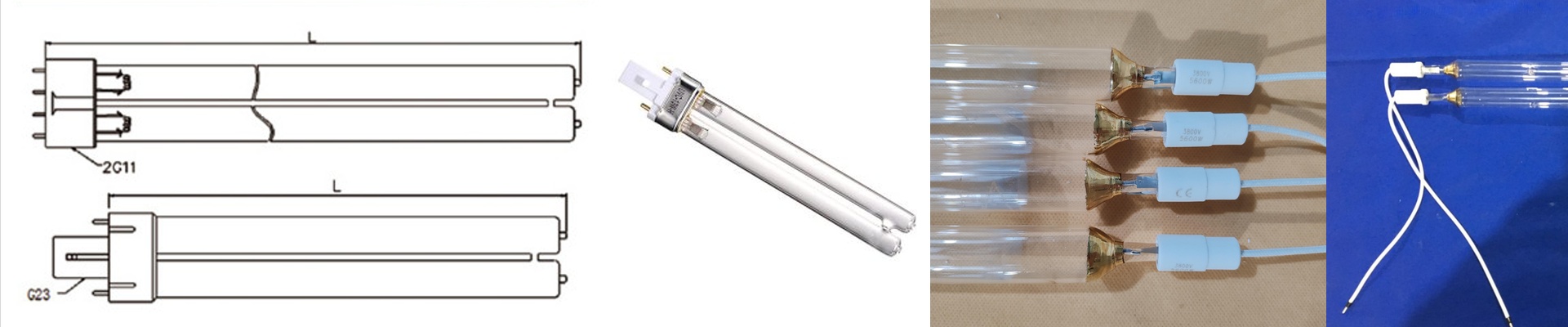
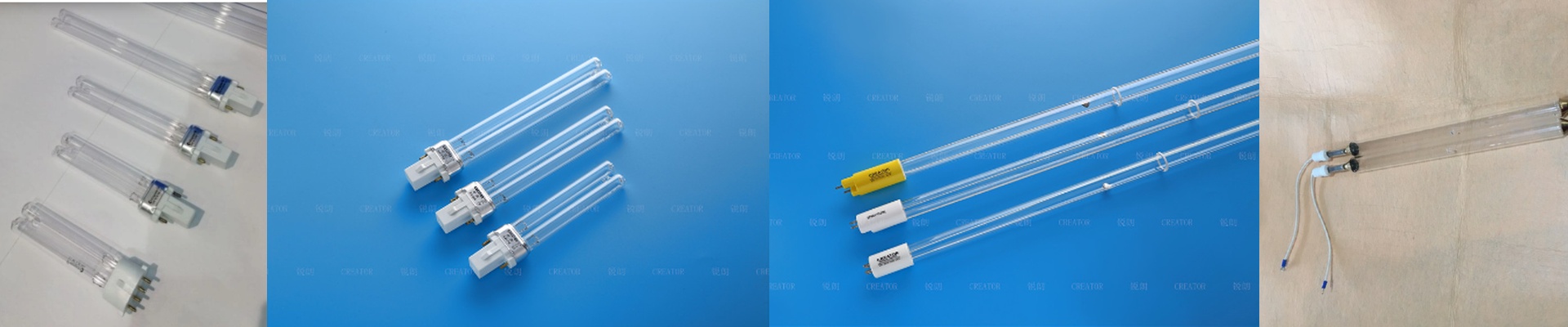
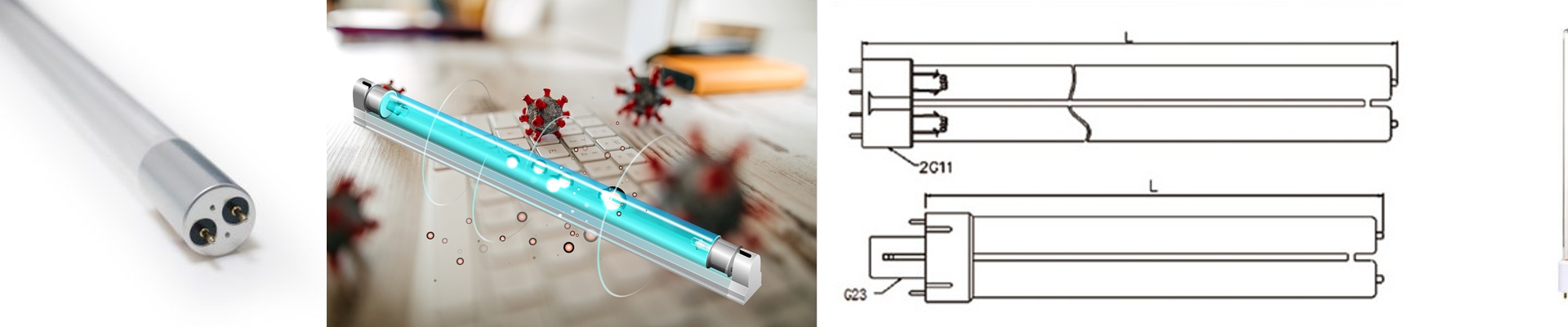
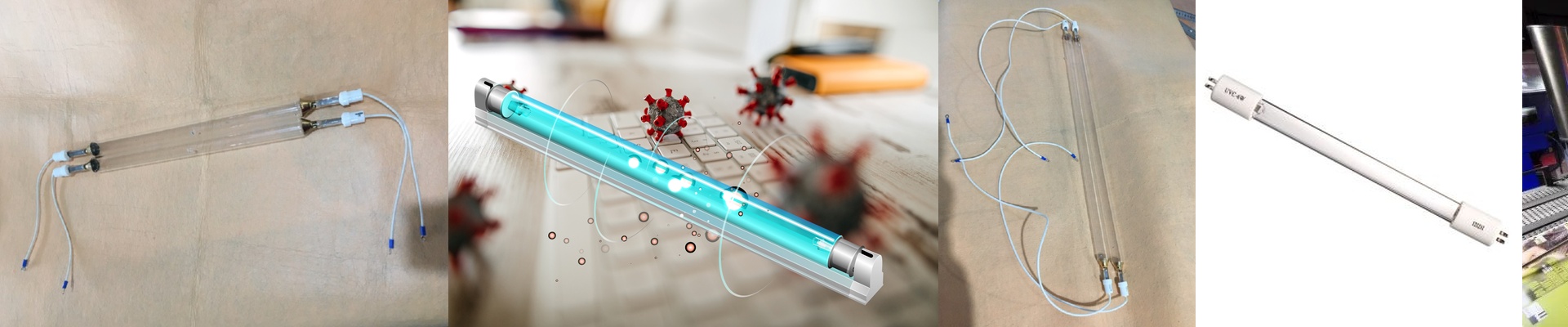
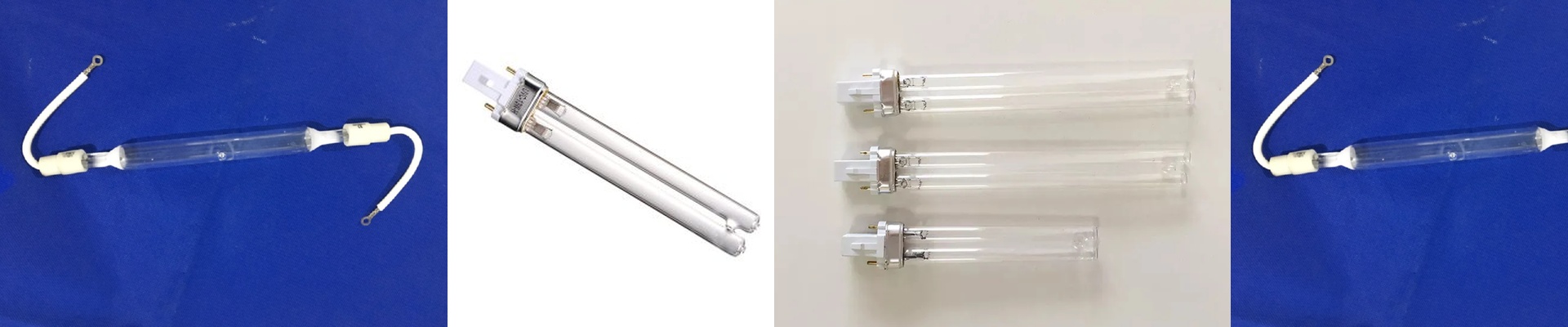
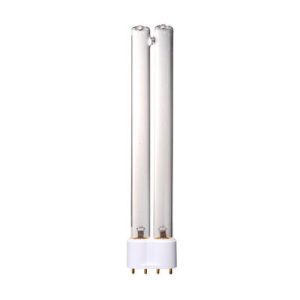
On the floor, UV curing isn’t a “nice-to-have.” It’s the anchor point. When the lamp stutters, the press stops, the ink stays wet, and rejects stack up. If you ship to global markets, that risk has teeth: non-compliant components mean delays, audits, and shipments that never make it out the door. Picking a UV lamp supplier with proprietary, patented technology is how you take that uncertainty off the table and keep the line running. What matters under the hood We build our UV lamps around a 4-pin connector interface, matched to the industrial sockets on the high-pressure mercury vapor systems running offset, flexo, and screen lines. We hold the core patent on the lamp-to-reflector interface and key driver circuitry, so you’re not at the mercy of third-party copies that may or may not hold spec. Performance gets measured in the details: spectral output stays within tight band tolerances across the primary curing wavelengths, peak irradiance is maintained along the arc length, and output stays stable with low attenuation over time. In practice, that means photoinitiator activation stays consistent, cross-linking is repeatable, and you don’t have to chase the cure window every job. Why this holds up on shift Patent protection isn’t paperwork—it’s supply security. With a proprietary design, you cut through component ambiguity at customs, reduce compliance friction, and keep counterfeit parts out of the workflow. The lamps hold stable intensity from startup to end-of-life, so cure density doesn’t drift run to run. That stability translates to less waste, faster makereadies, and cycle times you can push without overcuring. Energy use stays in line thanks to an efficient reflector and stable arc control, so operating cost doesn’t jump around. The details that bite you if you ignore them Compatibility isn’t universal. Match the exact 4-pin pinout, ignition voltage, and wattage rating to your existing ballast and socket. Push the lamp outside its specified envelope and you shorten life—and you can lose spectral stability. For full compliance, make sure the lamp’s documentation lines up with your export control and safety requirements, including ozone-free operation where it applies.