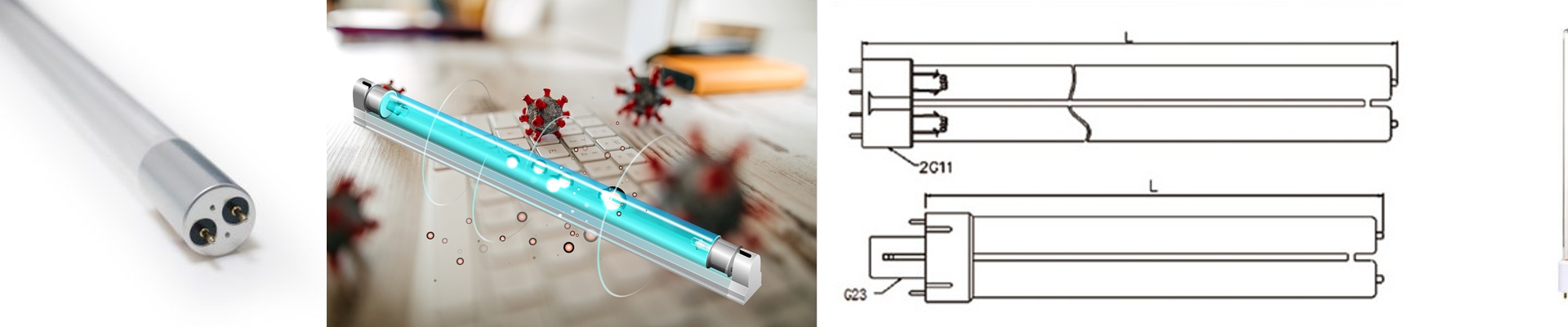
Keeping Textiles Clean: The Real Deal on UV Germicidal Lamps
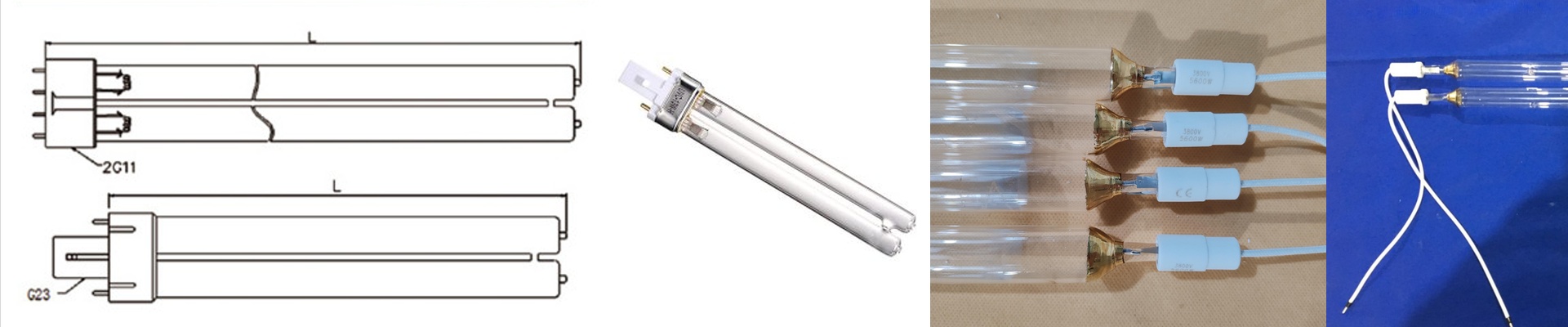
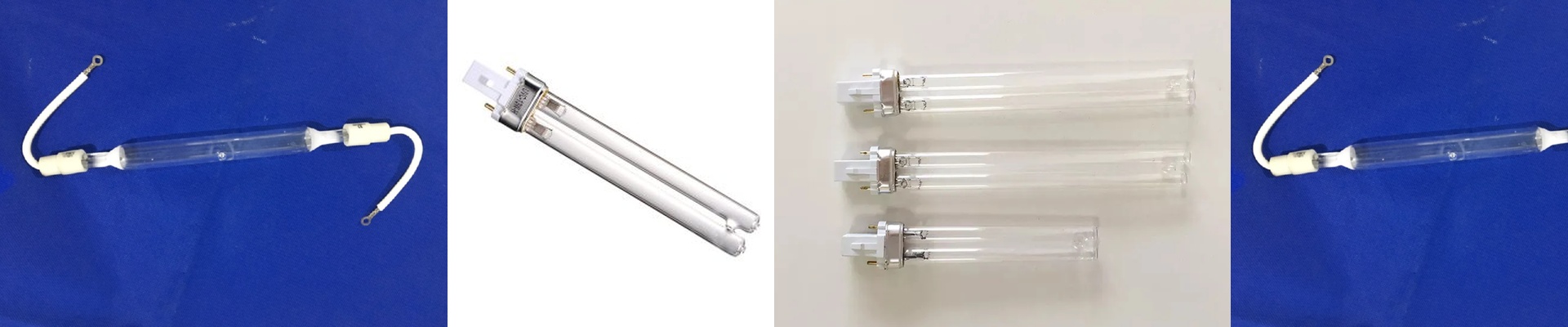
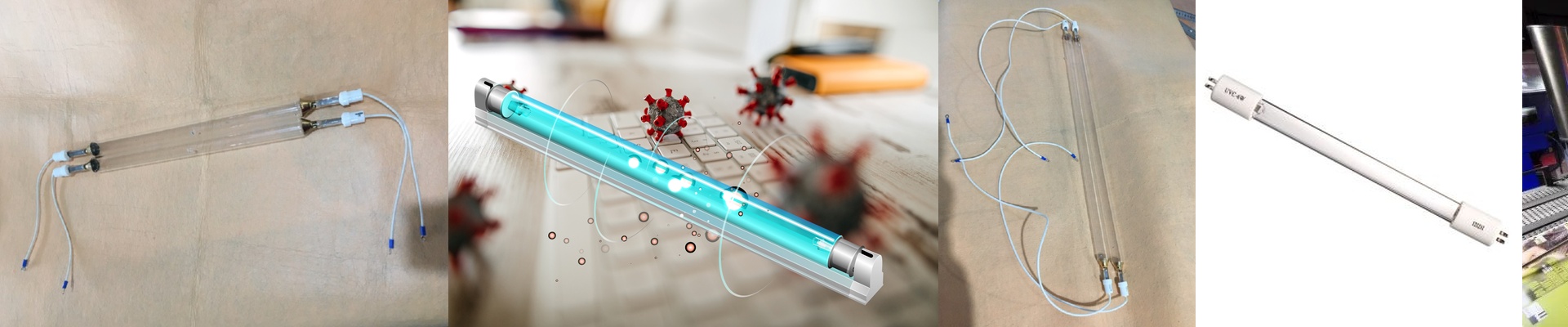
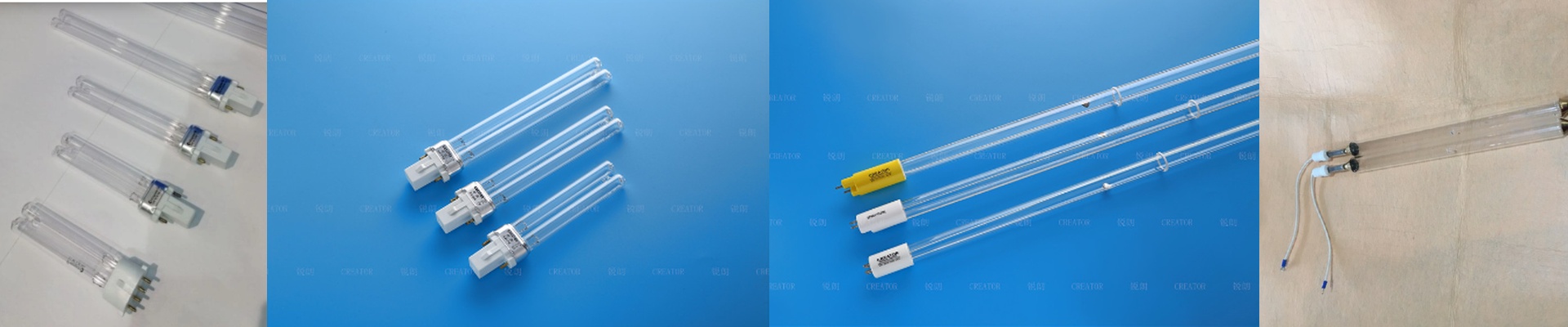
When people think of UV-C lamps, they usually picture a sterile hospital room. But in a textile mill? These things are workhorses. We use them across the whole line to stop microbes from tagging along and ruining a massive batch of fabric. Whether it’s raw yarn coming in or a finished shirt heading for a shipping container, UV-C is what keeps things clean.
How it actually works
To get bacteria and viruses off porous fabric, you can’t just use any light. You need that specific 253.7 nm wavelength. It basically rips apart the DNA of the germs so they can’t function. Now, here’s the tricky part: the math has to be right. We measure the output in microwatts per square centimeter. If the lamp starts to fade or you mount the tube just a few inches too high, the “dose” fails. You end up with cold spots—little pockets where the microbes just hang out and survive. Not a great look.
Don’t get burned (literally)
Look, UV-C is dangerous. It’ll burn your skin and wreck your eyes in seconds. You can’t just have these bulbs sitting out in the open. That’s why we tuck them away in shielded tunnels or conveyor housings. But a metal box isn’t enough. We install hardware interlocks—basically “kill switches.” If a tech opens a hatch for maintenance, the power to the ballast cuts out instantly. And since nobody wants to breathe in toxic fumes on a factory floor, we use ozone-free quartz glass. It keeps the air breathable while the lamps do their job.
The balancing act
You might think, “Why not just crank up the intensity to move the fabric faster?” Well, there’s a catch. Too much high-energy UV-C can actually eat away at synthetic fibers or bleach your dyes. It’s a tightrope walk. If you run the conveyor too slowly to be “extra safe” with sterilization, you might accidentally weaken the fabric or fade the colors. It all comes down to the dwell time. You have to nail that timing exactly so the fabric stays strong and the germs stay dead.