Why the CE Mark Actually Matters for UV Lamps
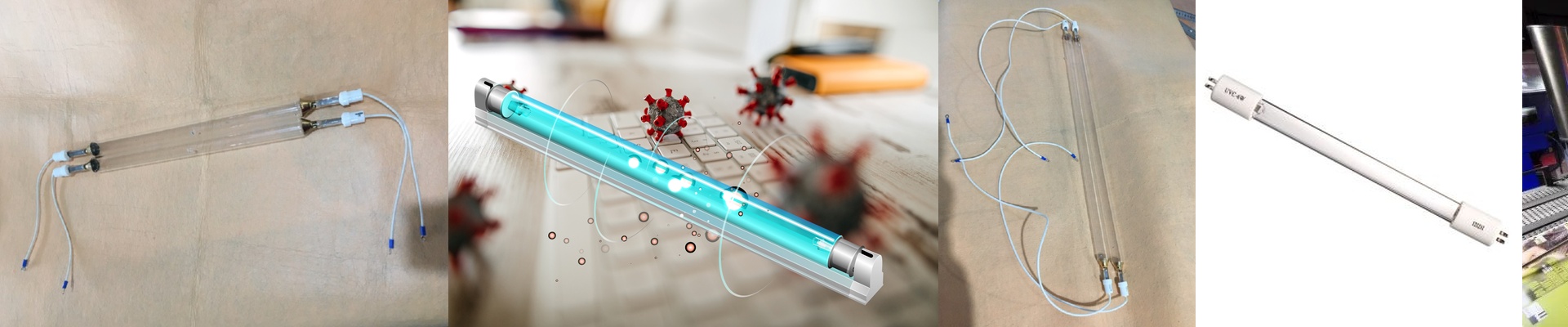
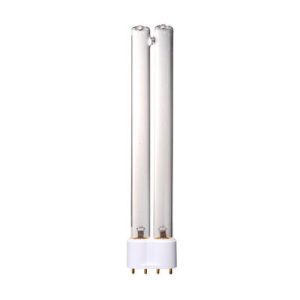
If you’re sourcing germicidal UV bulbs in bulk, it’s easy to get tunnel vision. You start obsessing over lumen output or hitting that exact UVC wavelength. But if you’re planning to sell your product globally, there’s one thing you can’t ignore: the CE mark. It’s not just some fancy sticker for the packaging. It’s the difference between a product that works and a product that becomes a legal nightmare. The nitty-gritty stuff When we talk about CE compliance, we’re really talking about not blowing things up. Think about it. A cheap, uncertified bulb can flicker or leak current. That sounds minor until it fries your ballast or shorts out the entire housing. We put these lamps through dielectric strength tests to make sure the insulation can handle voltage spikes without giving up. When you’re wiring up a massive sterilization array with a hundred units, you don’t want to be praying that they all stay lit. You want to know they won’t fail. The risk you don’t want to take Here’s the thing: the high-end markets in Europe and North America aren’t playing around. They won’t touch hardware that isn’t certified. If you pop a non-CE lamp into a medical air purifier or a water plant, you’re the one holding the bag if something goes wrong. A certified bulb means the quartz glass and electrodes are actually pure. This keeps the 253.7nm output steady and stops the lamp from burning out way before it’s supposed to. The cost trap Yeah, certified bulbs cost more. You’re paying for the testing and the quality control. But look at the alternative. Those “budget” bulbs usually use low-grade quartz that degrades the moment things get hot. You might save 15% on the initial order, but you’ll lose all that money—and then some—on labor costs and recalls when the bulbs start dying mid-cycle. For a professional setup, the certification is just the only way to sleep soundly at night knowing your system is safe and stable.