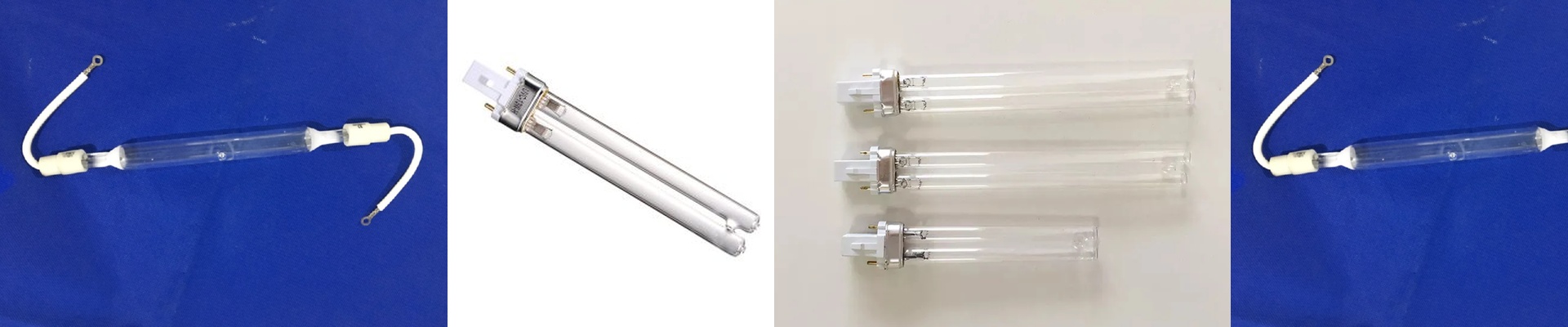
The Secret Weapon in Your Textile Line: UVC
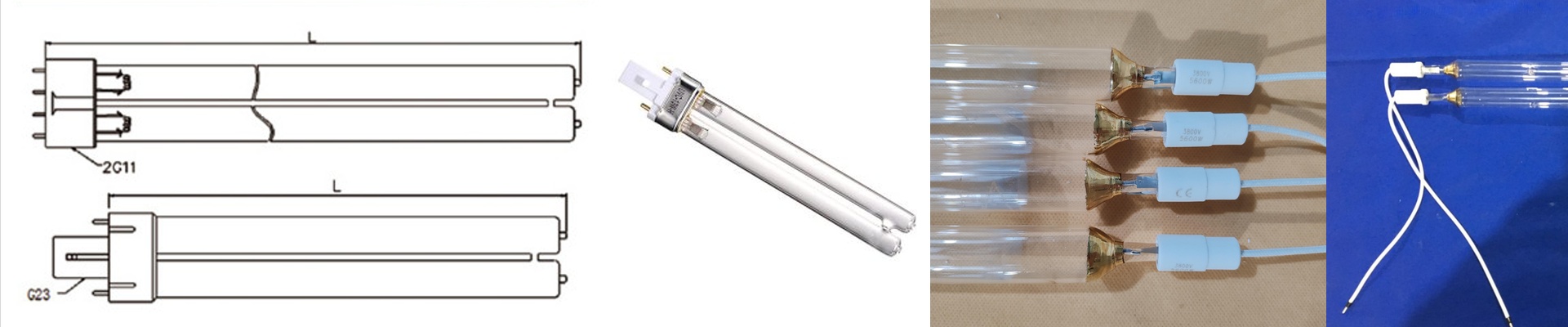
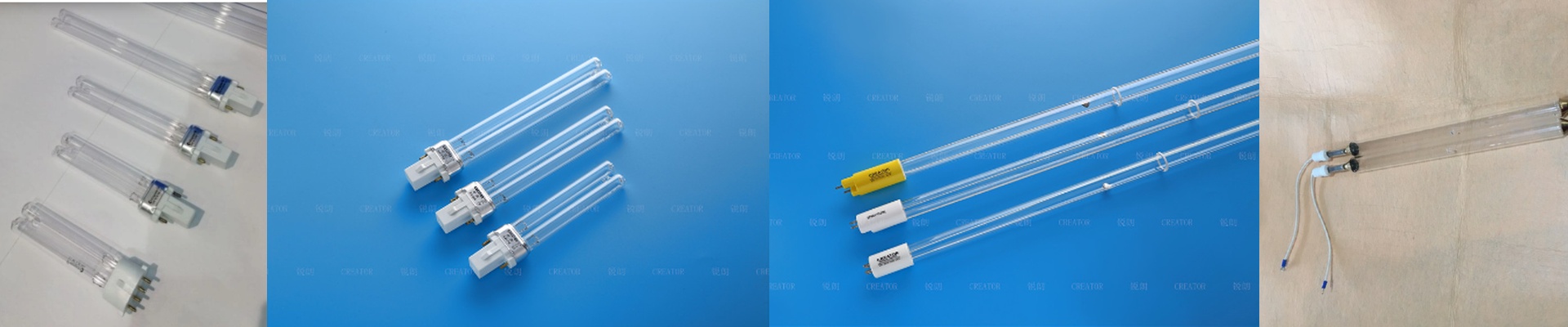
When most people look at a shirt or a pair of pants, they think about the looms, the dyes, and the stitching. They don’t think about the invisible germs trying to wreck the whole batch. But if you’ve ever dealt with a ruined shipment because of mold or bacteria, you know that’s where UVC bulbs come in. They’re the unsung heroes that keep the line moving.
Getting the Tech Right
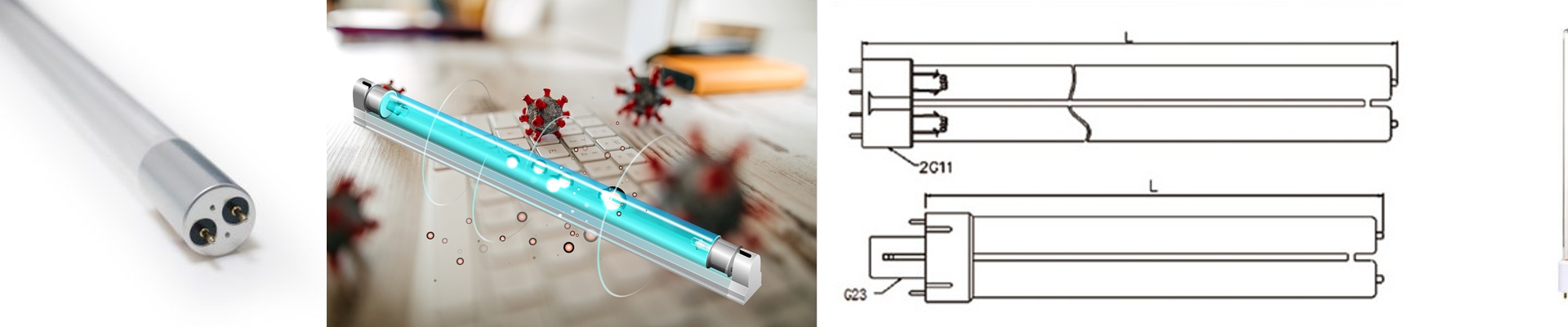
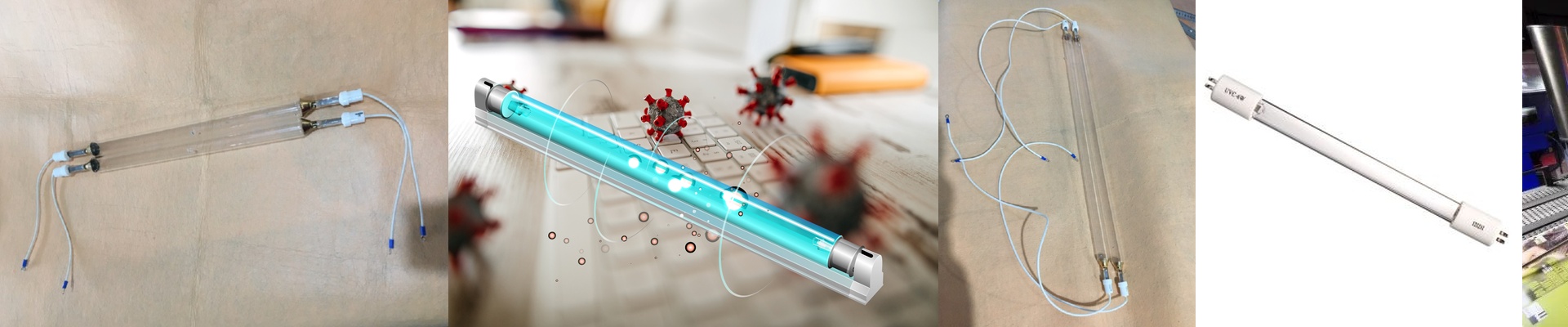
If you’re buying these bulbs in bulk, you can’t just grab any “purple light.” You need that sweet spot—253.7nm. That’s the specific wavelength that actually breaks down the DNA of the bad stuff. Here’s the tricky part: it’s a balancing act. If you’re running a high-speed conveyor, you have to match your wattage to the speed of the belt. Too low? You aren’t killing anything. Too high? You might actually start damaging the synthetic fibers in your fabric. It’s all about finding that middle ground.
Where the Magic Happens
We usually see these bulbs popping up in three spots. First, the raw fiber storage. Warehouses can get humid, and fungus loves that. A few UV arrays here keep things clean before the work even starts. Then there’s the finishing stage. This is the danger zone. After dyeing and washing, the fabric is damp—basically a luxury hotel for mildew. We use UVC lamps to flash-sterilize everything right before it hits the folding machine. Finally, the packaging zone. A few lamps wired up where the boxes are packed ensure the garment stays fresh and clean until it hits the customer’s door.
The Maintenance Trap
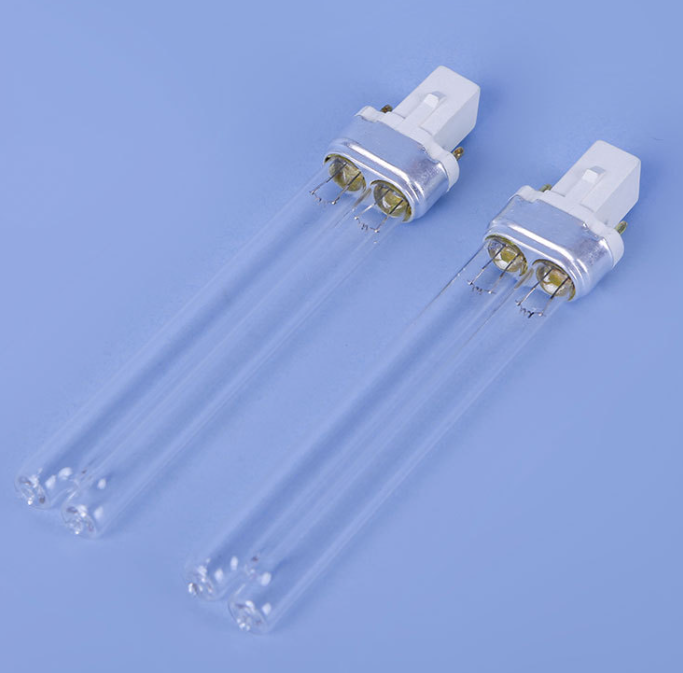
Here is where a lot of people mess up. UVC bulbs don’t just “pop” and go dark. They decay. Your bulb might still be glowing a nice shade of blue, but after about 8,000 hours, the actual sterilization power drops off a cliff. You can’t tell just by looking at it. If you try to stretch the life of a bulb to save a few bucks, you’re gambling with your product. One contaminated shipment will cost you way more than a new set of tubes. The smartest move? Buy in bulk. Keep a stash on hand and swap them out during your planned downtime so the line never has to stop.