Why 253.7nm Actually Matters
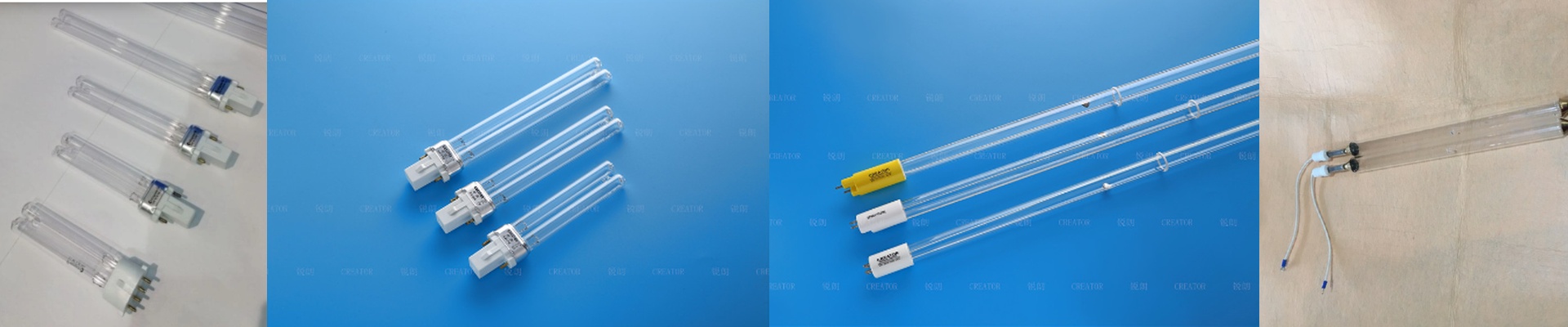
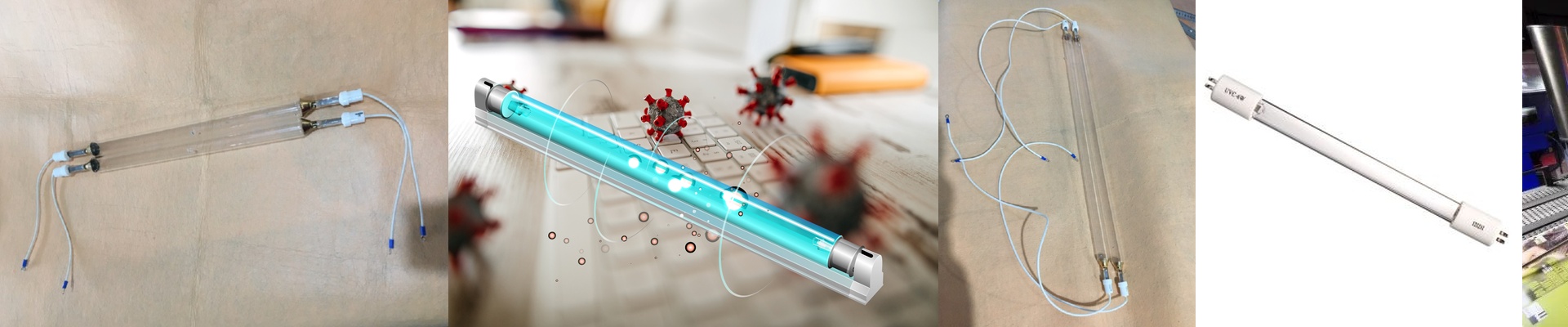
Most people just see a UV bulb and think “light.” But for us, it’s more like a surgical strike on a molecular level. We focus everything on the 253.7nm wavelength. Why? Because that’s the sweet spot where DNA and RNA just can’t ignore it. When those photons hit a microbe, they snap the molecular bonds. The cell can’t replicate, and that’s how the germ dies. If you’re off by even a few nanometers, you’re basically just wasting electricity. The effectiveness just vanishes.
The Secret is in the Glass and Gas
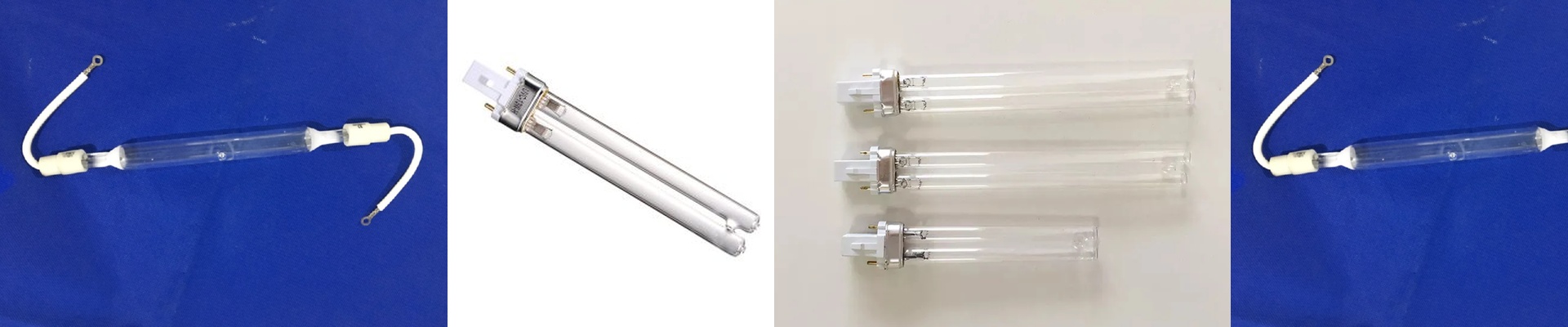
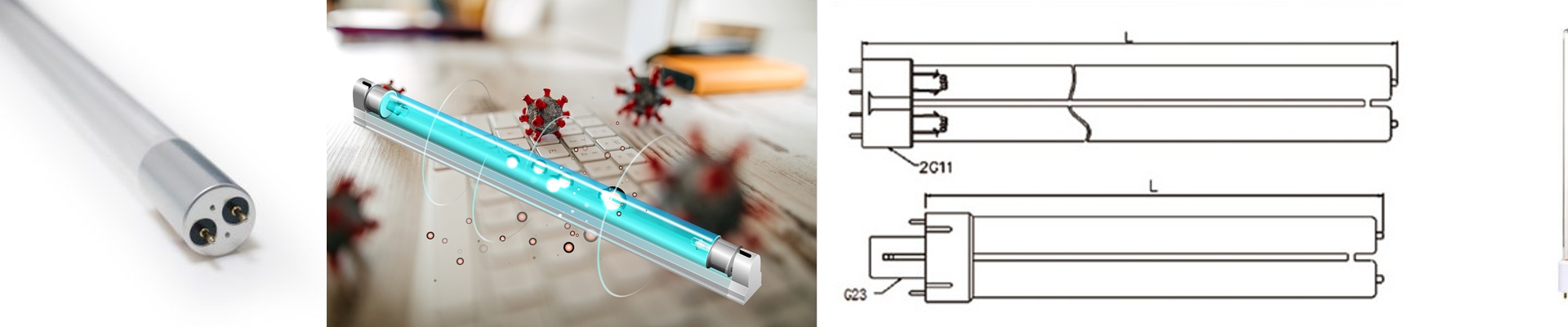
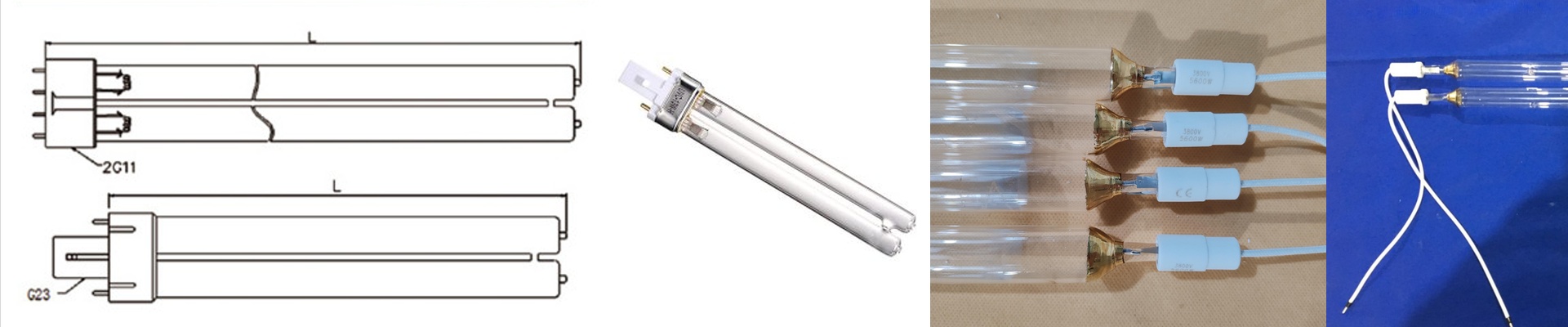
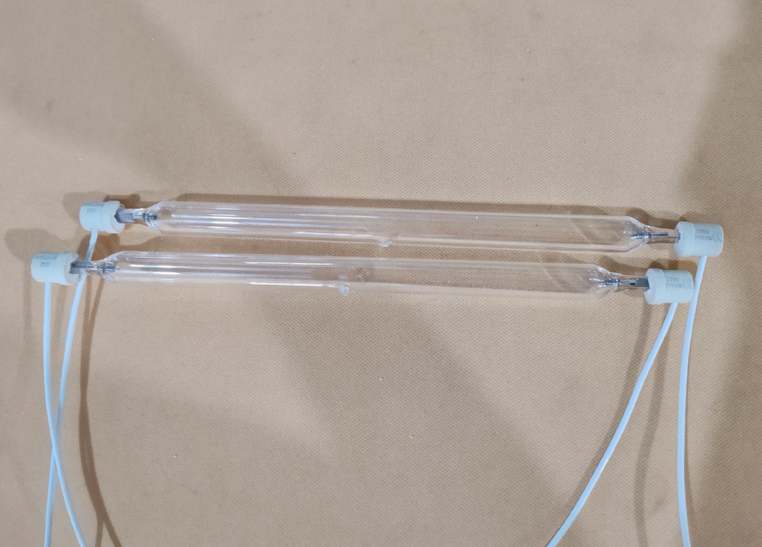
You can’t just use regular glass here. It would block the UVC before it ever left the tube. That’s why we use high-purity synthetic quartz. It stays out of the way and lets the light through. Then there’s the stuff inside. Getting the mix of mercury vapor and inert gas right is the hard part. If the pressure is too high, the bulb runs hot and dies early. Too low? You don’t get the punch you need to kill germs quickly. We keep a really tight leash on this mix during our bulk runs. It means you aren’t playing a lottery with your order; every single bulb does exactly what it’s supposed to do.
Making it Work in the Real World
If you’re buying these in bulk, you’re probably wiring them into a big array. Just a heads-up: watch your ballast match. If your ballast pushes too many amps, you’ll cook the electrodes. You’ll see the bulb start to blacken, and then it’s toast. Also, keep in mind that high intensity equals heat. If you cram these too tightly into a chassis without any airflow, the quartz gets too hot and your UV output actually starts to dip. You’ve got to find that balance between a compact footprint and enough breathing room to keep them cool. We build these for industrial lines where you just need a drop-in replacement that works. No fluff. Just a tool that hits the right wavelength and gets the job done.