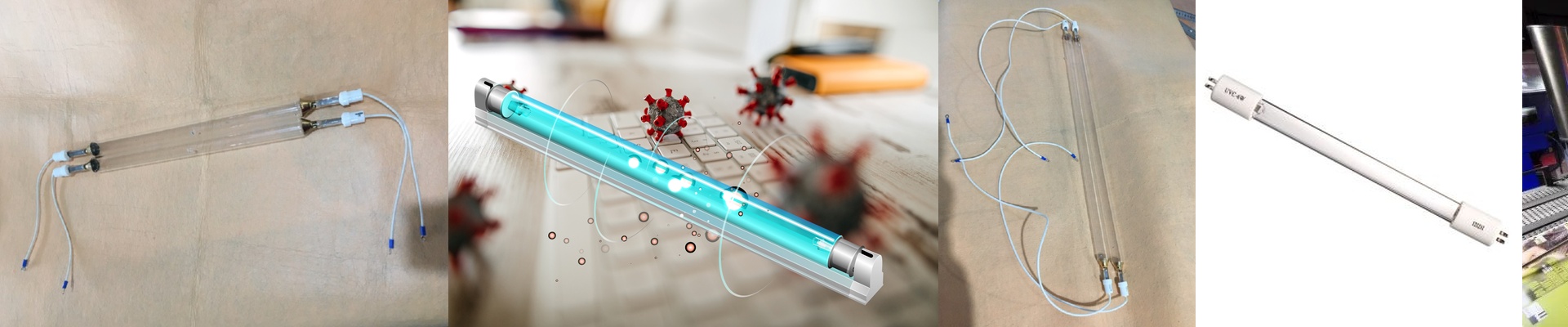
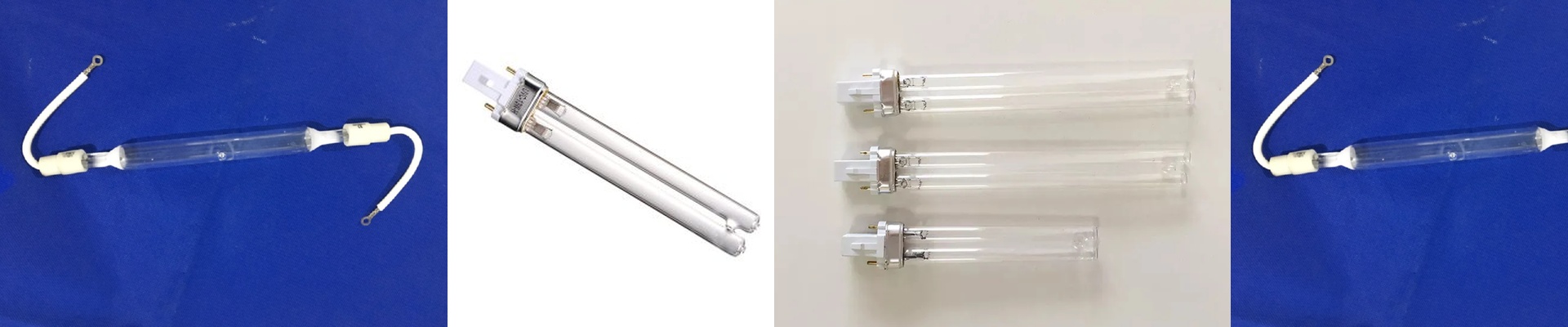
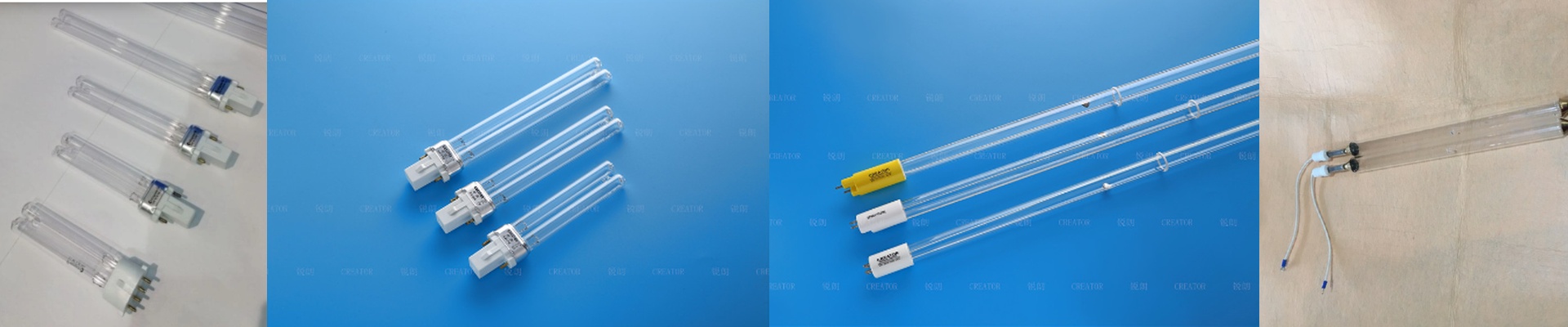
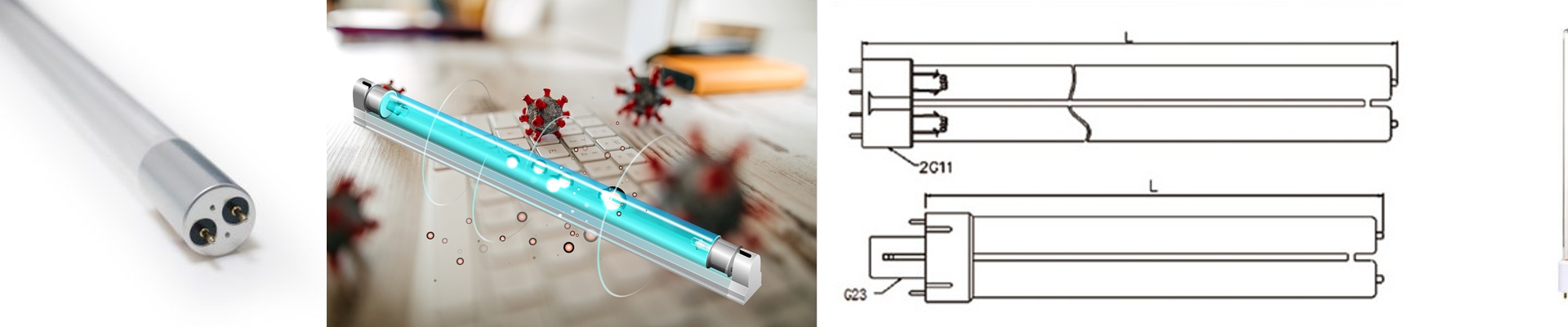
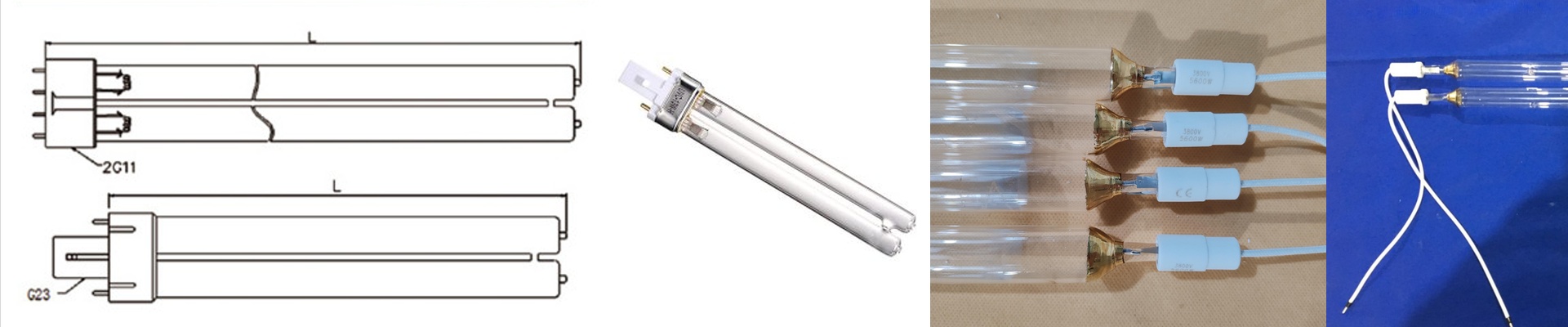
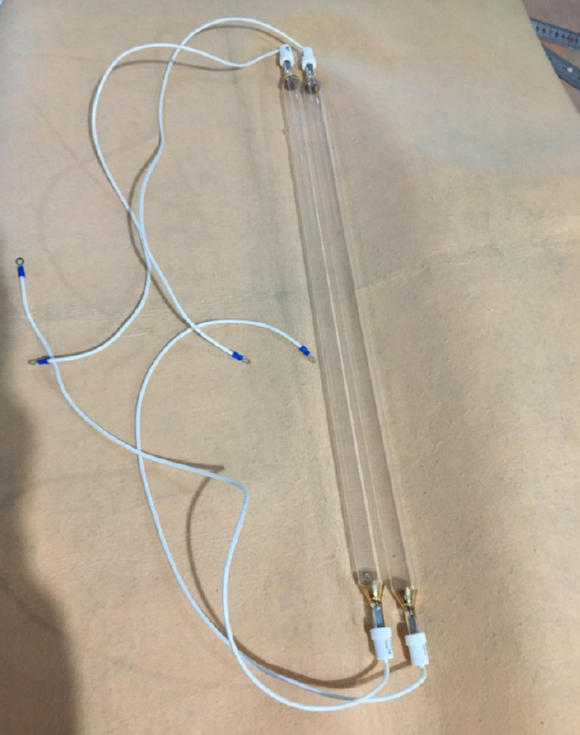
Out on the press floor, you know the headache the moment the mixed run starts—hybrid inks that blend UV-curable with water-based components. Standard UV lamps either hammer the water-based portion and make it brittle, or they short the UV side and you’re left with tack. That means scrap, rework, and throughput you just lost. We built a custom deep UVC lamp system around one thing: spectral control, to fix that mismatch. What matters, technically The deep UVC lamp holds a stable output centered at 254nm for microbial inactivation, and the curing module gives you tunable spectral profiles at 365nm, 385nm, and 405nm. Peak irradiance hits 12W/cm² at the substrate plane, and you can adjust energy density from 300 to 1,200mJ/cm². The reflector uses dichroic coatings to knock out out-of-band IR, so substrate temperature rise stays under 8°C at 1.2m/min. Ozone-free quartz sleeves and a controlled warm-up profile keep output variance under 3% across the lamp’s 5,000-hour life. Here is why it holds up in real work. With hybrid ink sets, you set the spectrum to match the photoinitiator absorption: 365nm for deep cross-linking in the UV layer, then 385–405nm for surface cure without cooking the water-based portion. You get one pass with consistent surface hardness, adhesion, and cure depth, even at line speeds up to 120m/min. When you need disinfection on tooling or substrates, the deep UVC output delivers validated germicidal action with no solvent residue. Energy draw drops 18–22% compared with fixed-spectrum mercury systems, and the longer lamp replacement intervals cut downtime. A few practical details. Matching the lamp to your press means nailing dimensional clearances and reflector geometry. Hybrid lines usually need a dedicated shutter or shield to prevent UVC leakage when the operator accesses the area. And when ink formulations change, spectral tuning has to be recalibrated—we provide field-settable profiles and a spectral radiometer protocol so your team can verify irradiance and energy density right at the web.