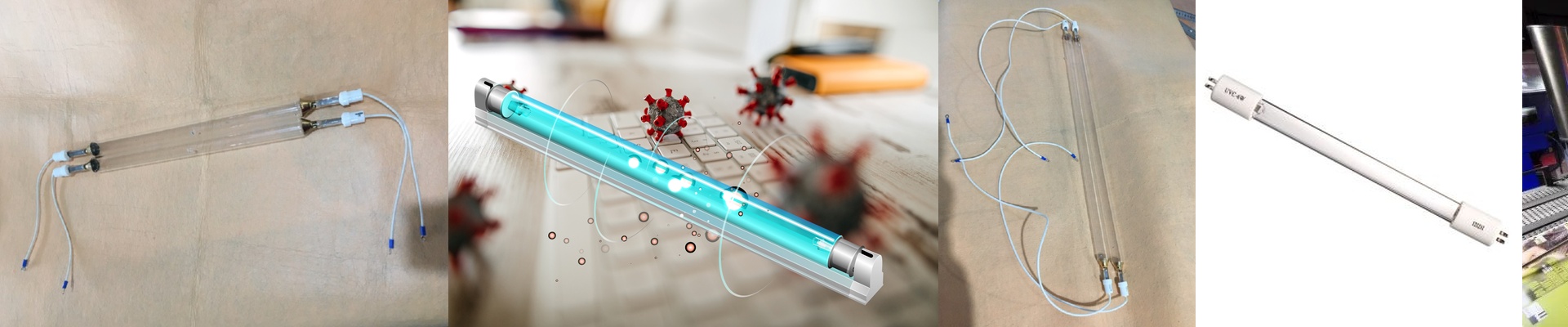
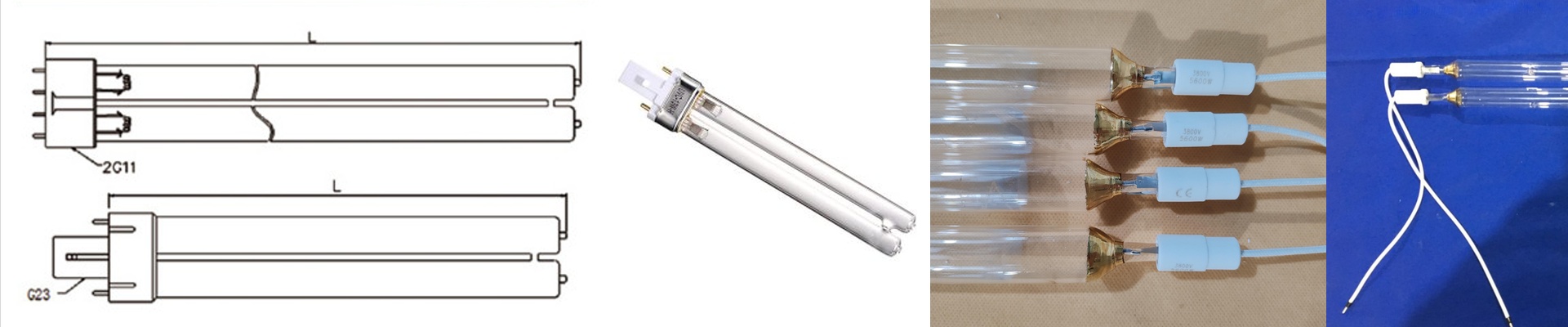
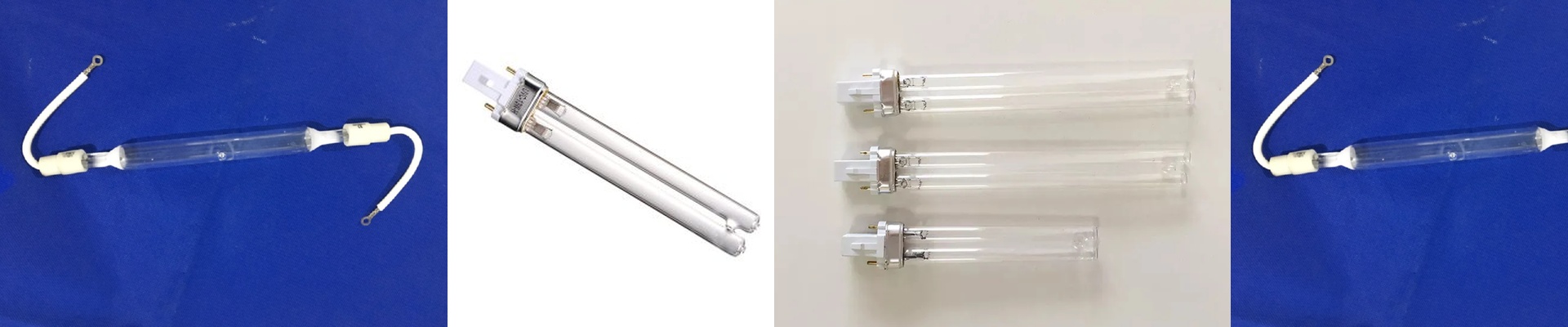
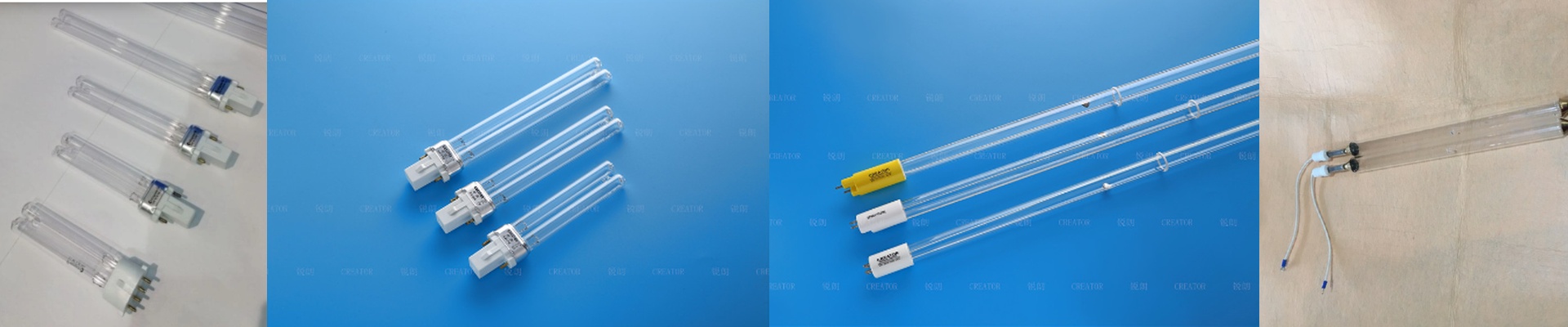
On a web press running 200 m/min, you don’t get any margin for UV output drift. Drop the irradiance and the ink stays tacky—then the line stops, either for rework or to swap lamps. The gallium lamp is built to keep curing energy steady over long runs, so the press keeps moving. What actually matters under the hood Gallium-doped UV lamps push the spectral output toward longer wavelengths—dominated by 365 nm and 385 nm—which lines up with the photoinitiators in modern offset, flexo, and screen UV inks. That profile gives you a good surface cure without sacrificing through-cure depth, so oxygen inhibition drops and you don’t end up over-exposing the substrate. Peak irradiance stays within tight tolerances, thanks to a reflector geometry tuned for narrow-band delivery and an arc gap that holds its ground against power fluctuations. You can count on consistent output for thousands of hours, with drift kept low enough to hold your curing thresholds where you set them. Why this works on a high-speed web line At these speeds, curing is a fixed-time job. The lamp has to deliver the required energy density within a very short dwell window, shot after shot. The gallium lamp’s stable irradiance and targeted spectral output give you repeatable cross-linking at 200 m/min, which means fewer micro-stops, less waste, and print quality you can predict. Power use stays in check because the reflector is efficient and the energy is delivered where it’s needed—without a bunch of wasteful broadband heating. What you need to watch on the floor Gallium lamps are particular about fixture and reflector alignment. Output uniformity hinges on the reflector’s dichroic coating and the exact lamp position relative to the web path. Make sure your UV system is rated for the lamp’s electrical parameters, and that the cooling profile matches the lamp envelope. For the best results, match the lamp to the ink’s photoinitiator window and confirm curing thresholds with a spectral radiometer.