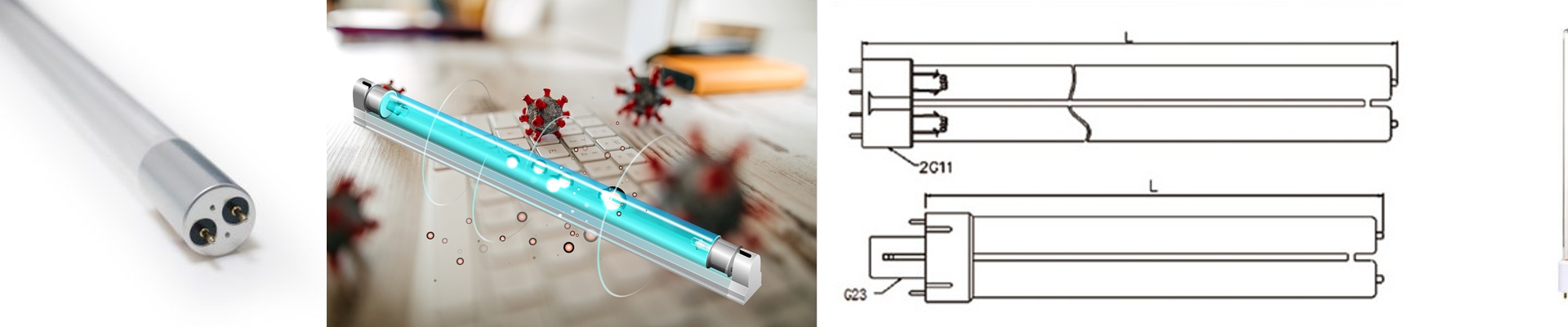
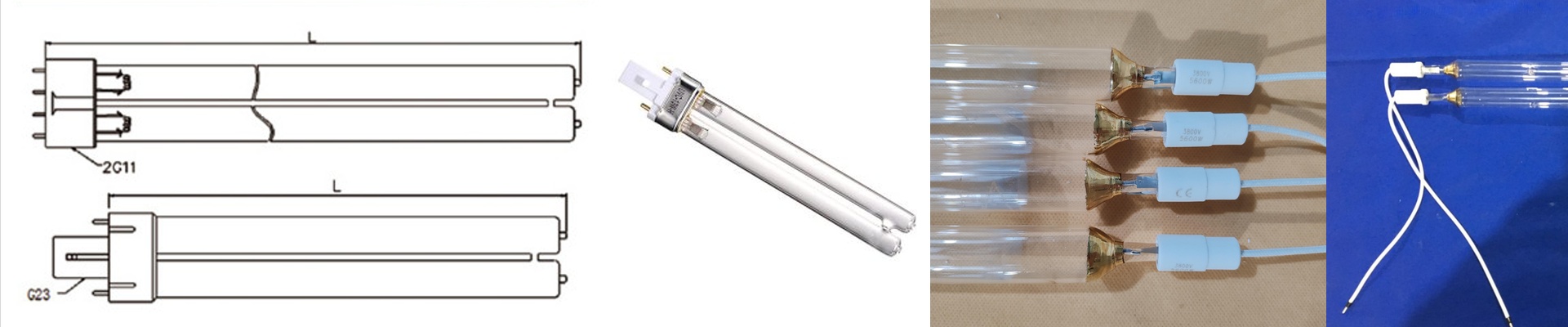
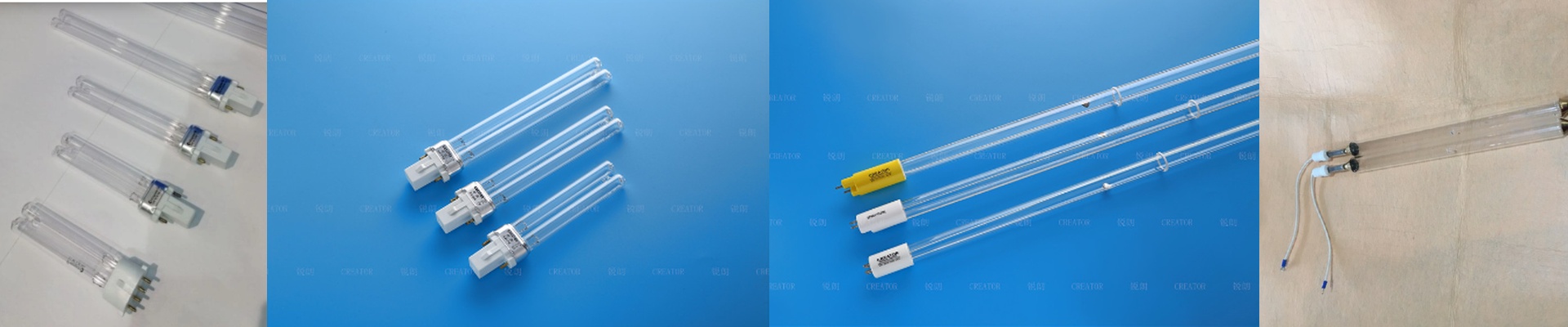
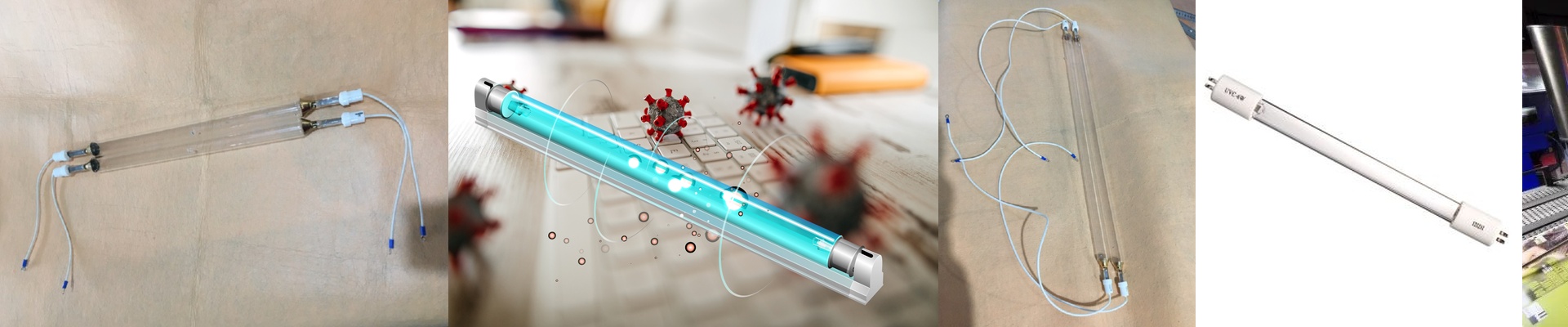
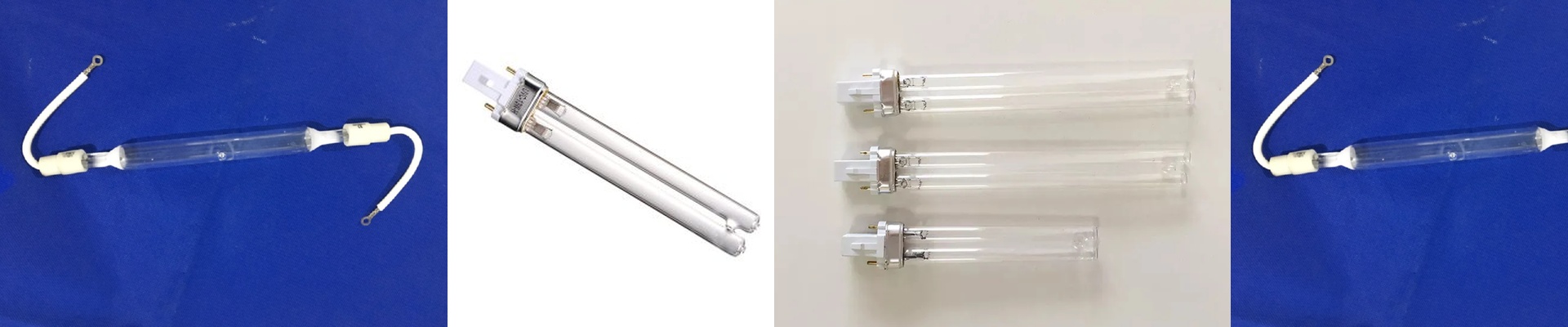
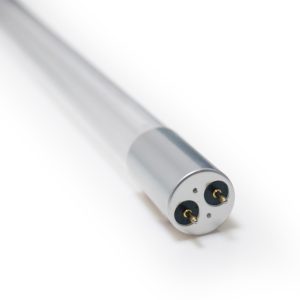
In a food processing plant, microbial contamination isn’t a “maybe” risk—it’s the stopwatch on your line. One pathogen slip-up and you’re shutting down, recalling product, and watching your margins vanish. Chemical sanitation gets the job done, but it’s slow, leaves residue, and turns cleaning into a bottleneck. The real question isn’t whether to disinfect. It’s how to do it instantly, thoroughly, and without slowing the line. What matters under the hood American Ultraviolet lamps hit microbes with high-intensity UVC at 254nm—the wavelength microbial DNA and RNA absorb. That breaks the molecular bonds and stops replication. The lamps are built around stable spectral output and consistent irradiance across the target, so lethality is repeatable. Output is managed through a controlled lamp life curve, and reflectors are tuned to concentrate energy density where it counts. The system is designed to deliver the required dose—typically tens of mJ/cm²—to achieve 99.9% broad-spectrum reduction of bacteria and viruses. Why this fits food packaging and processing In these environments, speed and certainty aren’t optional. These UVC units drop straight into conveyor lines and enclosed zones, disinfecting surfaces, air, and water in seconds—no heat, no chemicals, no downtime. You get faster cycles, lower sanitation costs, and a measurable drop in microbial load. For facilities running under HACCP and FSMA, the process is auditable, consistent, and leaves no chemical footprint on food-contact surfaces. The practical realities UVC is no joke for skin and eyes, so engineering controls are mandatory—interlocks, shielding, and proper interlock wiring tied to the machine safety circuit. Effectiveness depends on line-of-sight; shadows, dust, or organic films will cut into performance, so lamp placement and surface cleanliness have to be managed. Lamp output drops as operating hours climb, so run periodic radiometer checks and replace based on dose budget, not just calendar time.