Getting Your PCB Lines Right with Gallium Iodide Lamps
If you’ve spent any time on a PCB floor, you know the headache of over-exposure. You’re trying to get those traces clean, but broad-spectrum UV often just smears the details. That’s where Gallium Iodide (GaI) lamps come in. Instead of throwing a wall of random light at the board, these lamps hit a very specific sweet spot—usually between 250nm and 300nm. It’s like using a sniper rifle instead of a shotgun. You get a much sharper definition on your traces because you’re only hitting the photoresist where it actually matters.
Why the physics actually matter for your shift
Here’s the thing: we build these lamps to keep a steady plasma discharge inside a high-purity quartz tube. Because we use gallium iodide, you get a way more concentrated punch of UVC energy than you’d get from a standard mercury lamp. And that’s the real win. More energy means faster curing. You can actually speed up your conveyor belts without worrying that your solder mask isn’t cross-linking properly. It’s fast. Really fast. And it lets you push more volume through the line without cutting corners on quality.
The hardware side of things
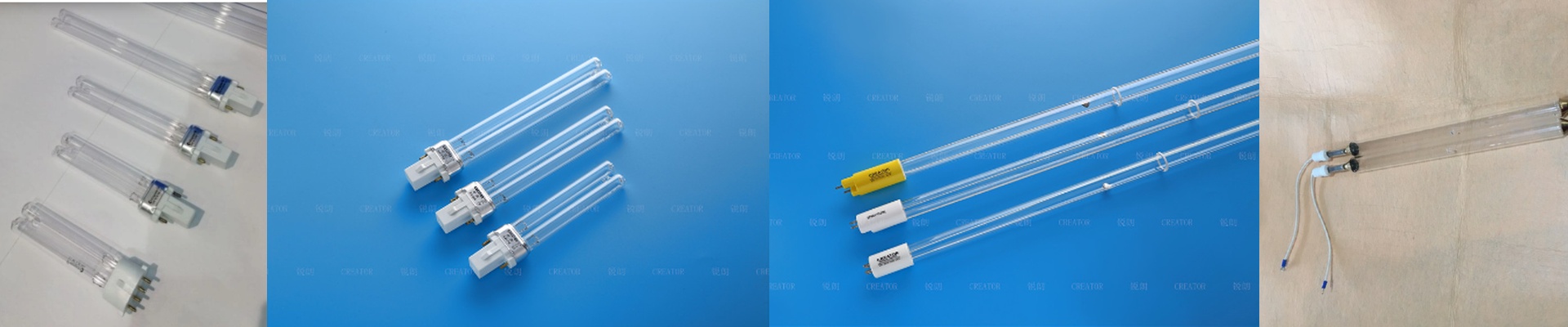
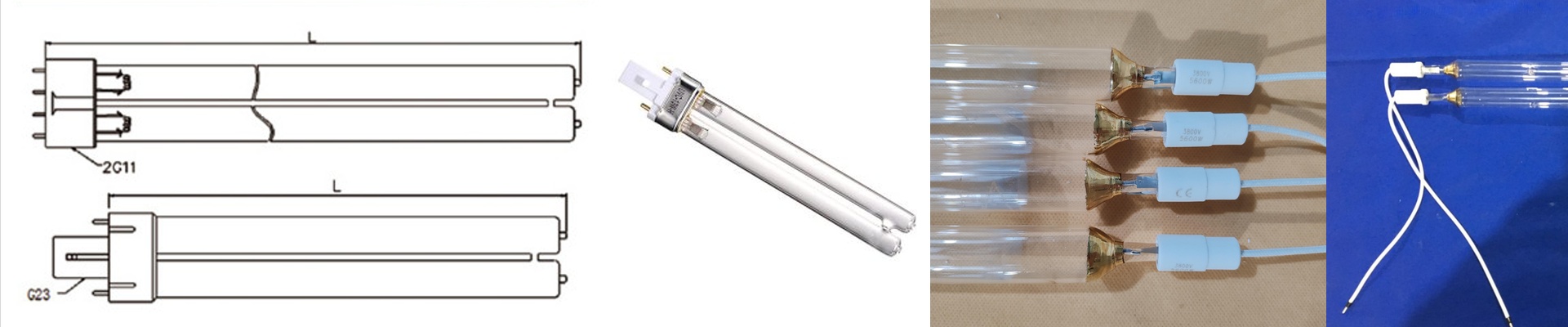
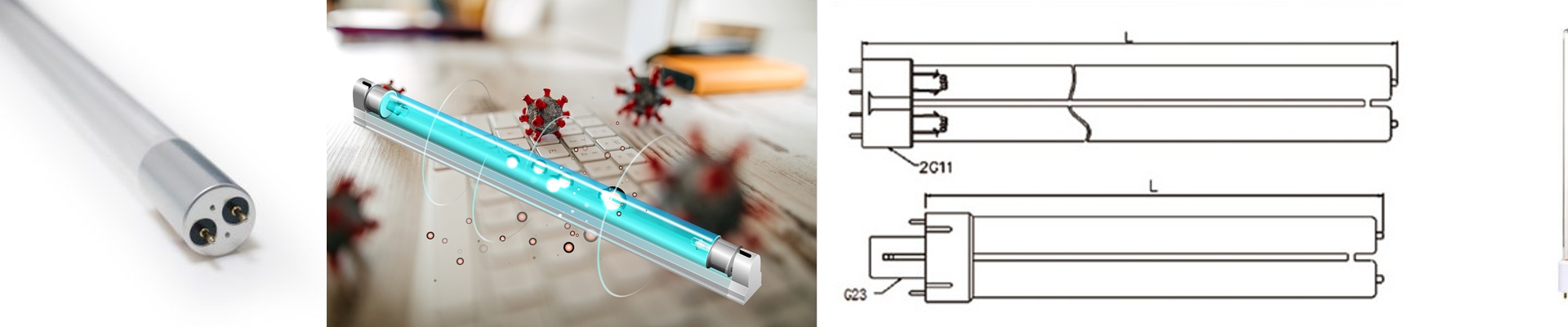
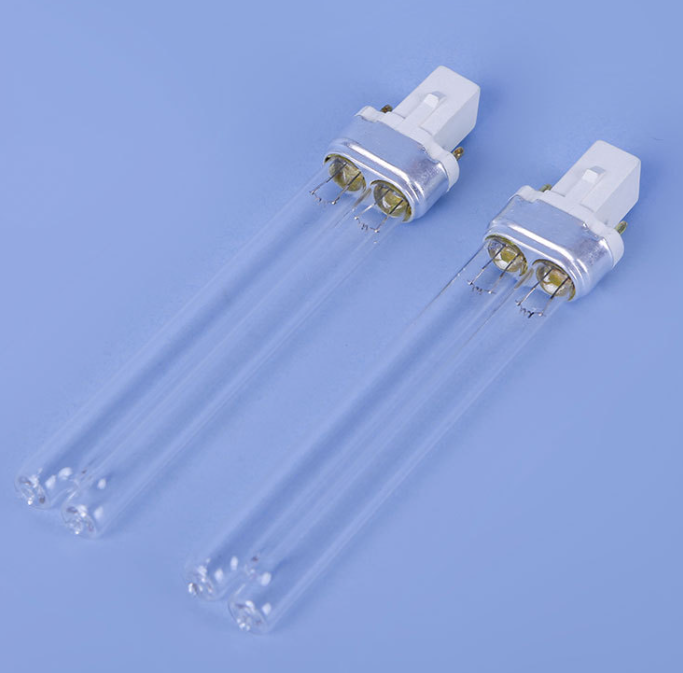
We designed these tubes to be simple drop-in replacements. You shouldn’t have to rebuild your whole array just to switch lamps. But a word of warning: these things runhot. To handle that, we use thick quartz glass that can take a beating from industrial blowers. We also beefed up the end-caps. There’s nothing worse than a gas leak killing a lamp halfway through a project, so we made sure those seals are tight. Just a heads-up on your ballast—make sure the voltage and current match the lamp exactly. It’s tempting to over-drive the lamp to get a bit more intensity, but don’t do it. You’ll just fry the cathode and kill the lamp’s lifespan.
Dealing with the “Rush Order” Panic
PCB demand is erratic. One day it’s quiet, the next day every client wants their order yesterday. We’ve all been there—a tube pops during a peak run and suddenly your production line is a paperweight. Usually, specialty gas lamps have a brutal 4-to-6 week lead time. We hate that. So, we keep our high-volume GaI models in stock. If a lamp goes out or you’re adding a new line, you can just swap the part and get back to work immediately. Just double-check that your cooling system can handle the heat load of the new array, and you’re good to go.