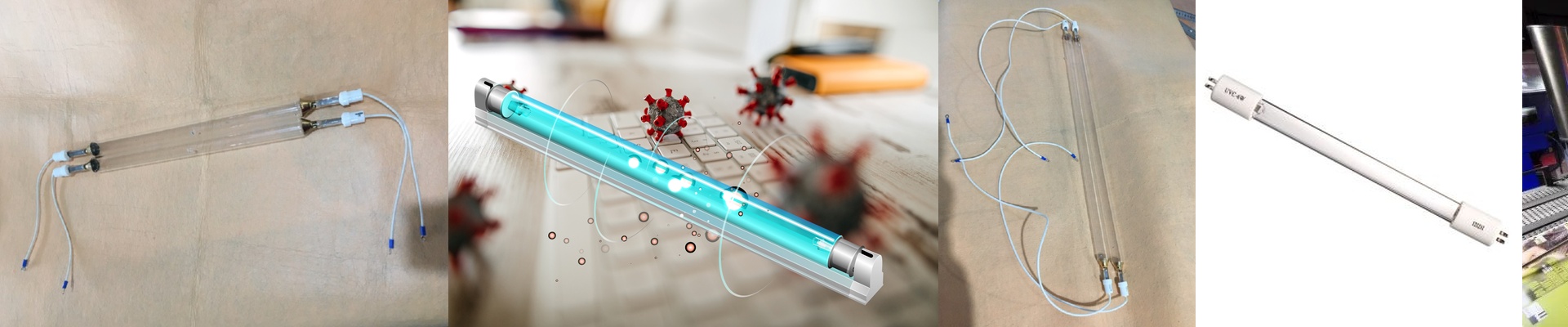


Getting Your Industrial UV Setup Right
When you’re ordering germicidal UV bulbs in bulk, it’s easy to think of them as just glass tubes. But they aren’t. You’re actually buying a very specific kind of energy—that 253.7nm wavelength—that’s designed to tear through microbial DNA. We build these to hit a precise power level so you can trust that the “kill rate” is the same in the far corner of the room as it is right in front of the lamp. The secret is in the quartz. Most glass just eats UVC radiation for breakfast. That’s why we use high-purity fused quartz. It lets those photons slide right through without getting blocked. If the quartz is cheap or impure, your output tanks. And when your output tanks, your sterilization cycle fails. Simple as that. We keep a very tight grip on the wattage and voltage specs because we don’t want your bulbs burning out before their time. Then there’s the heat. Higher wattage means more photons, which means faster disinfection. It’s great for saving space. But there’s a catch. These high-intensity lamps gethot. Really hot. If your housing doesn’t have a solid heat sink or some decent airflow, the temperature will spike. That doesn’t just shorten the life of the bulb; it actually shifts the light output. You’ve got to make sure your cooling system can actually handle the total wattage of the array, or you’re just wasting money. Making them fit. We make these to be easy drop-in replacements. Whether you’re using G13 or something custom, the fit has to be perfect. A loose connection is a nightmare—it creates an arc that can fry your socket and kill the bulb in an instant. We’re confident our lamps perform just as well as the big-name, tier-one brands. If the output doesn’t hit the mark, we’ll give you your money back. Just do yourself a favor: grab a calibrated UV radiometer and double-check the output the moment you install them. It’s the only way to be sure.