



Staying Safe with Industrial UV Lamps
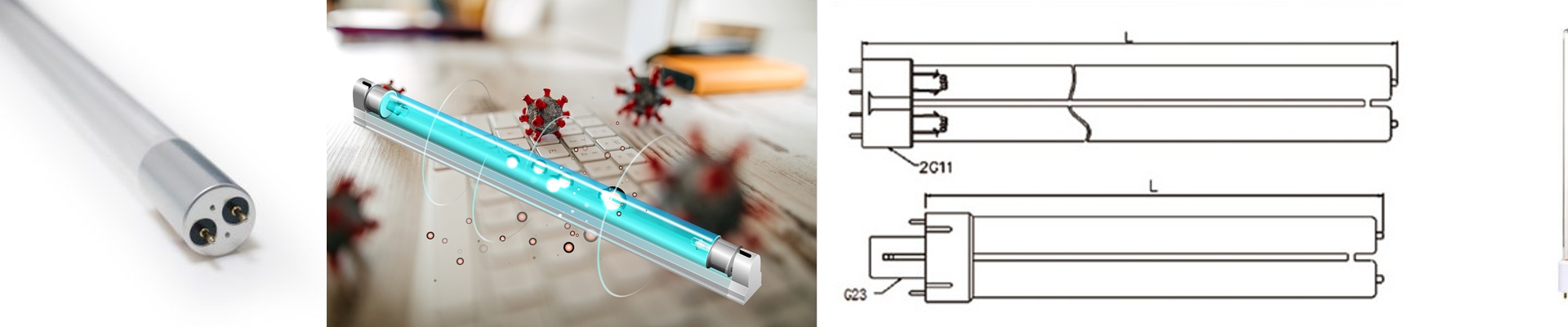
UV-C lamps are powerful tools. They use short-wave radiation to basically rip apart the molecular bonds of germs and microbes. If you’re running a small print shop, you’ve probably seen these tucked into curing stations or air cleaners. When we build these custom systems, our main goal is to give you all that power without putting your team at risk.
Dealing with the Radiation
Here is the scary part: UVC radiation doesn’t play around. It can burn your skin and damage your eyes almost instantly. To make sure the light actually does its job, we use high-transmittance quartz glass for the tubes. But that light has to stay contained. You need to house these lamps in aluminum or stainless steel. Why? Because those materials block 100% of the leak. If you’re putting together your own rig, make sure your shielding is completely opaque. Even a tiny gap in the housing is a problem. One small leak can blind an operator in seconds. It’s just not worth the risk.
Heat and Power
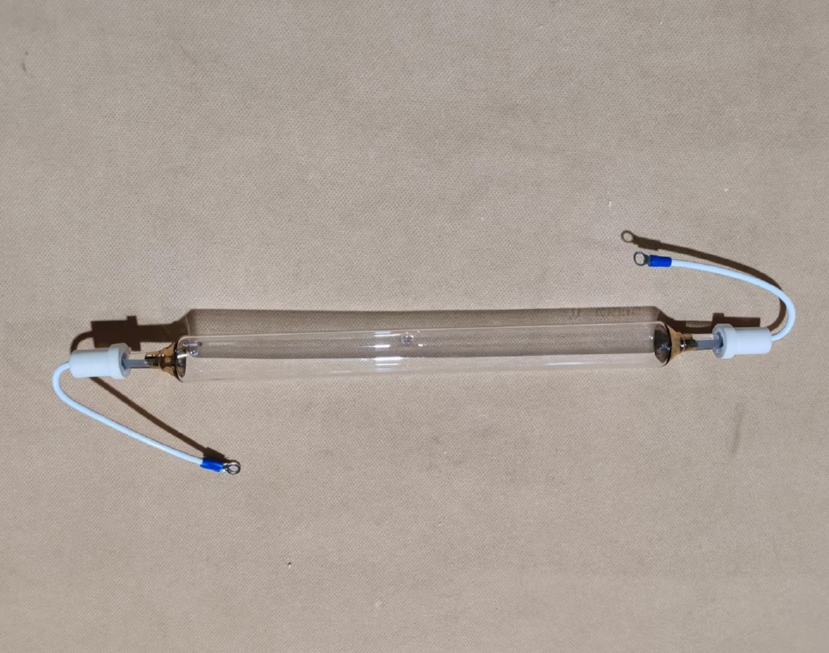
Most of these lamps rely on high-voltage electronic ballasts to keep the arc steady. We build ours to handle rapid switching so you don’t burn out the electrodes too quickly. But keep an eye on the heat. High-wattage tubes get hot—really hot. If your cooling fans quit, the quartz tube heats up, and ironically, your UV output actually drops. Check the temperature around the lamp head. If the housing climbs over 60°C, you’re killing the lifespan of your lamp. Keep it cool, and it’ll last way longer.
The “Must-Haves” for Safety
Do yourself a favor: hard-wire a physical interlock switch to the power supply. The second a cabinet door opens, the power should die. Period. Don’t trust a software trigger to do this. Software can glitch. A physical switch doesn’t. Custom UV lamps are a great way for smaller shops to get pro-level curing without spending a fortune on those massive OEM systems. Just keep in mind that more power means faster work, but it also means your margin for error is thinner. Get your shielding right, or you’re risking permanent eye damage.